

Turkish immigration law allows foreigners to remain in the country for a certain period without a visa or residence permit. Thanks to this, visitors from abroad can freely enter the republic for vacation, business or personal reasons. However, it’s wise to familiarize yourself with the main entry and stay regulations before your trip, so you don’t face fines or deportation later on. For detailed advice on this topic, you can consult the lawyers at Tuncay & Barcın Law Office via tuncaybarcinlawoffice.com. For a concise overview of how long you can stay in the Republic of Turkey without a residence permit, read on.
Rules for entering Turkey — key points
You must use official border crossings when entering Turkey. At the border, you’ll need to present a valid passport. Requirements for passport validity vary by country, so before you travel, check the specifics with your Turkish consulate.
The length of your permitted stay without a visa or residence permit depends on your nationality. Each country has its own visa-free terms. For example, U.S. citizens may stay for up to 90 days within any 180-day period. The same rule applies to European Union nationals.
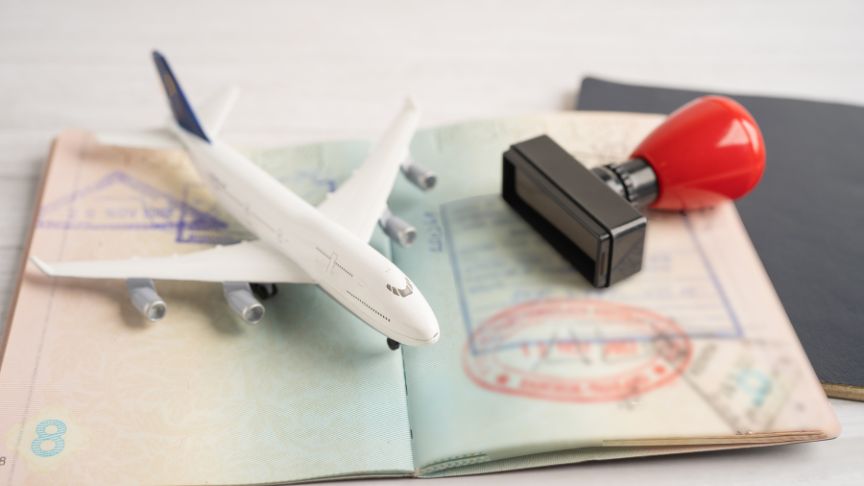
Which documents you need to enter the Republic of Turkey
Required documentation varies by factors such as your country of residence and the purpose of your visit. In general, you should have:
- A valid passport. As noted above, validity requirements differ; for U.S. citizens, your passport must be valid for at least six months from your date of entry into Turkey.
- Health insurance policy. Border officials don’t routinely require this, but it may be needed if you require hospital treatment during your stay.
- Documents proving your travel plans, such as hotel reservations, an invitation from a Turkish resident, or an airline ticket.
If you’re traveling with children, additional documents apply. For example, children over 14 need their own passports; children under 14 can remain listed on a parent’s passport.
What happens if you overstay the visa-free period
If you overstay by a short period (up to 10 days), you’ll face a fine starting at 130 TRY. The maximum penalty is not strictly capped and increases based on how long you’ve overstayed.
If you remain illegally in Turkey for more than one month, you may be deported and banned from re-entering. The longer your overstay, the longer your re-entry ban. For instance, an overstay exceeding five years can trigger a ban of seven years or more.
In addition to fines and bans, overstaying may affect your ability to secure visas in the future—not just for Turkey but for other Schengen or allied countries that share immigration intelligence. Overstays are logged in immigration systems and could complicate applications for residence permits, work visas, or even tourism re-entries.
If you need professional assistance with Turkish immigration law, turn to Tuncay & Barcın Law Office. Their qualified attorneys will provide detailed guidance on entry requirements, assist with residence permit applications, and, if necessary, handle deportation issues on your behalf. They also offer personalized legal support for clients dealing with visa renewals, appeals, and negotiating exit bans, helping to resolve issues swiftly and in compliance with Turkish legal procedures. Their multilingual legal team ensures clear communication, while their experience with both local and international clients makes them a trusted partner in navigating Turkey’s complex immigration system.




