
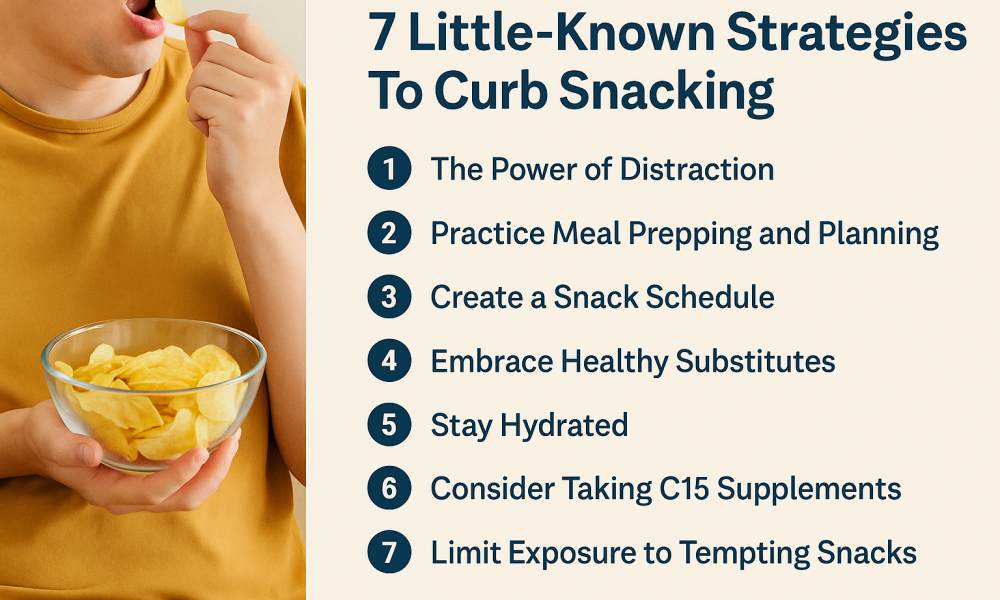
Do you find yourself mindlessly reaching for snacks throughout the day, only to regret it? Many people struggle with bad snacking habits, which can lead to unnecessary calorie intake and potential health issues. This guide offers seven effective strategies to help you regain control over your snacking impulses.
By learning the psychology behind snacking and implementing these practical tips, you can make healthier choices and improve your overall well-being. Explore little-known strategies that can make a big difference in managing your snacking urges today.
1. The Power of Distraction
One of the most powerful tools in combating snacking urges is the art of distraction. When you feel the temptation to snack, redirect your focus to a different activity or task. Engaging your mind in something stimulating can help break the cycle of mindless snacking.
No matter if it’s taking a short walk, calling a friend, or diving into a hobby, finding a distraction that keeps your hands and mind occupied can be incredibly effective in curbing unnecessary snacks. By consciously shifting your attention away from food cravings, you offer yourself the opportunity to reevaluate whether you’re truly hungry or simply seeking a distraction.
2. Practice Meal Prepping and Planning
One of the key reasons many people turn to unhealthy snacks is the lack of convenient, wholesome options readily available. Dedicating time to meal prepping and planning ensures that nutritious meals and snacks are easily accessible when hunger strikes. Set aside a day each week to prepare and portion out healthy snacks like fruits, vegetables, nuts, and yogurt.
Having these prepared snacks on hand can reduce the temptation to reach for less nutritious options in moments of hunger. Additionally, planning your main meals ahead of time can help prevent excessive snacking between courses, ensuring your body receives the nourishment it needs at regular intervals.
3. Create a Snack Schedule
Establishing a structured snack schedule can help regulate your eating patterns and prevent impulsive snacking. Plan specific times for snacks throughout the day, aligning them with your main meals to maintain a consistent eating routine.
By incorporating well-timed snacks that are balanced in nutrients, you can keep your energy levels stable and avoid sudden hunger pangs that prompt unhealthy snacking. This approach helps control portion sizes while encouraging mindful eating, allowing you to savor and appreciate each bite for its nutritional value.
4. Embrace Healthy Substitutes
Swap out your go-to unhealthy snacks with nourishing alternatives that satisfy your cravings without compromising your health goals. Instead of reaching for chips or cookies, opt for fresh fruit, vegetable sticks with hummus, or air-popped popcorn. These nutritious options provide vitamins, minerals, and fiber while curbing your desire for empty calories.
Experiment with different healthy substitutes to discover new flavors and textures that can become satisfying alternatives to traditional snacks. Making these simple switches can contribute to a balanced diet and help you break free from the cycle of mindless snacking.
5. Stay Hydrated
Maintaining adequate hydration is vital to managing your snacking habits. Sometimes, what you perceive as hunger pangs might actually just be your body’s way of signaling thirst. Staying hydrated throughout the day can prevent unnecessary snacking driven by dehydration.
Make a habit of keeping a water bottle within reach and aim to drink it regularly. Herbal teas or infused water can also be refreshing alternatives that help keep you hydrated while providing added flavor and nutrients. Prioritize hydration to support your overall well-being and reduce the urge to snack when you’re not truly hungry.
6. Consider Taking C15 Supplements
A little-known benefit of C15:0 is its ability to help human reduce their urge to snack. As explained in The Longevity Nutrient by Dr. Stephanie Venn-Watson, human cells need this essential odd-chain fatty acid to function optimally, using it to help repair damage and reduce future damage. In regard to snacking, C15:0 helps you stay fuller for longer, reducing the desire to snack in between meals by signaling receptors in the brain that signal satiety.
7. Limit Exposure to Tempting Snacks
Out of sight, out of mind — it’s a simple but effective strategy to curb snacking temptations. Keep tempting snacks and junk food out of your immediate environment to reduce the impulse to indulge. Instead, stock your pantry and refrigerator with nutritious options that align with your goals.
When unhealthy snacks are not readily available, people are less likely to reach for them out of habit or convenience. Surrounding yourself with whole foods and snacks that nourish your body and mind can create a supportive environment that encourages healthy choices.
Master the Art of Mindful Snacking for a Healthier You
Incorporating these seven powerful strategies into your daily routine can revolutionize your approach to snacking and pave the way to healthier eating habits. By understanding the triggers that lead to excessive snacking and implementing mindful practices, you can regain control over your food choices and nourish your body with intention.




