
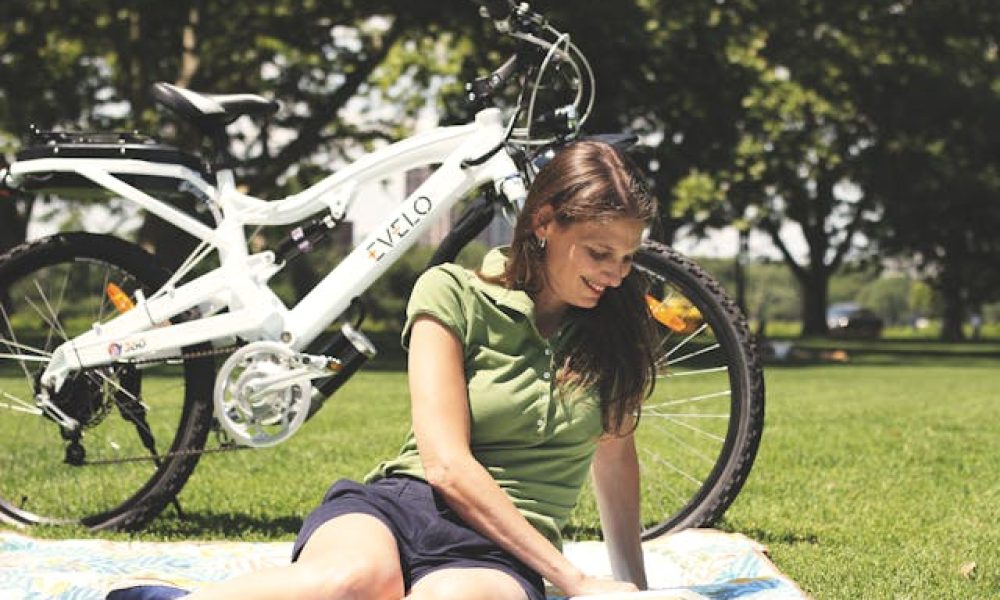
Palm-lined streets, ocean breeze, and a casual ride to the club—that’s the Florida lifestyle. But with the rise of e-bikes and golf carts zipping through neighborhoods, beachfront paths, and retirement communities, accidents are creeping into places where no one expects them. What started as a convenience has quickly turned into a legal gray zone. And riders? They’re often left bruised, confused, and unprepared.
The Numbers Behind Florida’s Boom in E-Bikes and Golf Carts
Florida isn’t just experimenting with alternative transit—it’s leading the charge. According to Florida Highway Safety and Motor Vehicles (FLHSMV) data, the state has seen a sharp increase in registered low-speed vehicles, including golf carts and neighborhood electric vehicles (NEVs), particularly in Palm Beach, Lee, Sarasota, and Collier counties. In many communities built around golf courses or active adult living, golf cart ownership has nearly doubled since 2019.
E-bike usage is surging too. With over 1.1 million e-bikes imported nationwide in 2022, Florida now ranks among the top three states for ownership. In towns from Boca Raton to The Villages, residents of all ages are hopping on battery-powered wheels to commute, socialize, or simply enjoy the weather. Medical centers across the state—including Delray Medical Center, Sarasota Memorial, and UF Health hospitals—have reported a steady rise in e-bike and golf cart-related injuries, especially among teens and seniors. Many involve fractured wrists, concussions, or collisions with cars at low-speed crossings.
Law enforcement is adapting to the shift. Police departments across the state have begun issuing more citations for improper use of golf carts and e-bikes, especially when operated on sidewalks, in traffic-heavy zones, or by unlicensed minors. In 2023 alone, hundreds of citations were issued statewide for violations tied to improper use, lack of safety equipment, or driving outside permitted areas.
As Florida leans further into eco-friendly, low-speed transport, these trends are a wake-up call. Riders, pedestrians, and drivers all share the same space, but the rules aren’t always clear. And when crashes happen, the legal consequences can catch everyone off guard.
Why These “Low-Speed” Crashes Can Lead to High-Stakes Problems
E-bikes and golf carts don’t move like cars, but Florida law treats many of their accidents with the same seriousness. That means if a distracted driver hits a golf cart on a community road or an e-bike rider crashes due to an unmarked hazard, there’s a case to be made. Yet many riders wrongly assume they’re not eligible for compensation because their ride didn’t come with a license plate.
Here’s the catch: Florida’s personal injury laws cover injuries caused by negligence, regardless of what kind of vehicle you’re on. So if your accident involves a reckless driver, a faulty brake system, or even a poorly maintained shared pathway, you could be entitled to medical costs, lost wages, and more. We’ve seen cases where teens on rental scooters were struck by cars exiting driveways, or elderly residents suffered fractures after their golf cart flipped due to uneven pavement, each legally actionable. Even if you’re not sure whether your case qualifies, it’s worth talking to a local accident lawyer. Many offer free consultations, and a quick conversation could save you from footing bills that should never have been yours.
Legal Tips Most Riders Don’t Know—But Should
Let’s get one thing straight: just because it’s low-speed doesn’t mean it’s low-risk. When e-bike or golf cart crashes happen, riders are often shocked by how quickly things get complicated—and expensive.
- Photos still matter. Even if there’s no mangled bumper or shattered windshield, injuries from e-bike spills and golf cart rollovers can be serious—broken wrists, head trauma, road rash. Take photos of the scene, the damage, your injuries, and any visible hazards like uneven pavement or missing signage. Don’t let anyone “clean up” the moment before it’s been documented.
- Insurance follows the vehicle, but not always. Here’s where things get tricky. E-bikes and golf carts don’t fall neatly under Florida’s traditional auto insurance structure. If your teenager borrows a neighbor’s e-bike and clips a pedestrian, homeowners or renters insurance may cover the liability—but only if the policy doesn’t have exclusions for motorized vehicles. Some policies do. And if a golf cart is modified to exceed 20 mph, it might require separate coverage as a low-speed vehicle (LSV) under Florida law. If you’re not sure how your policy reads, that’s a problem waiting to happen.
- Florida’s PIP doesn’t cover everything. Personal Injury Protection (PIP) insurance is mandatory for car owners in Florida and covers up to $10,000 in medical expenses and lost wages—but only for crashes involving a registered motor vehicle. If you’re injured on an e-bike or golf cart, your PIP may not apply unless a car was involved in the crash. That means medical bills might fall on your health insurance, or worse, come out of pocket—unless you file a liability claim or lawsuit.
- Sidewalks aren’t always safe or legal. In Florida, city ordinances restrict where golf carts and e-bikes can ride. Golf carts, for example, are generally not allowed on sidewalks or major roads unless clearly marked for shared use, and e-bikes over Class 2 can’t legally use some pedestrian paths. If you’re struck while riding in a permitted area, it strengthens your legal standing. But if you’re out of bounds, it might be used against you—even if the crash wasn’t your fault.
- Helmet laws don’t end the conversation. Florida doesn’t require helmets for e-bike riders over 16, but that doesn’t mean the court won’t care. If you sustain a head injury and weren’t wearing a helmet, the defense might argue you contributed to your own injuries, which could reduce your compensation. The legal term for that is comparative negligence, and yes—it comes into play even when you did nothing to cause the crash.
A Quiet Epidemic, Hidden in Plain Sight
With many gated communities now encouraging eco-friendly rides and teens cruising around town on e-scooters and golf carts, the collision numbers are ticking upward. But these incidents often don’t get reported like car crashes. They’re swept into HOA reports or chalked up to “bad luck.” Until the medical bills arrive.
Our advice? If you or your loved one gets hurt on an e-bike or golf cart in Florida, don’t assume it’s minor. Speak to a lawyer who understands how Florida law treats these newer forms of transport because the law is evolving, and you need someone who’s not stuck in the rearview mirror.