
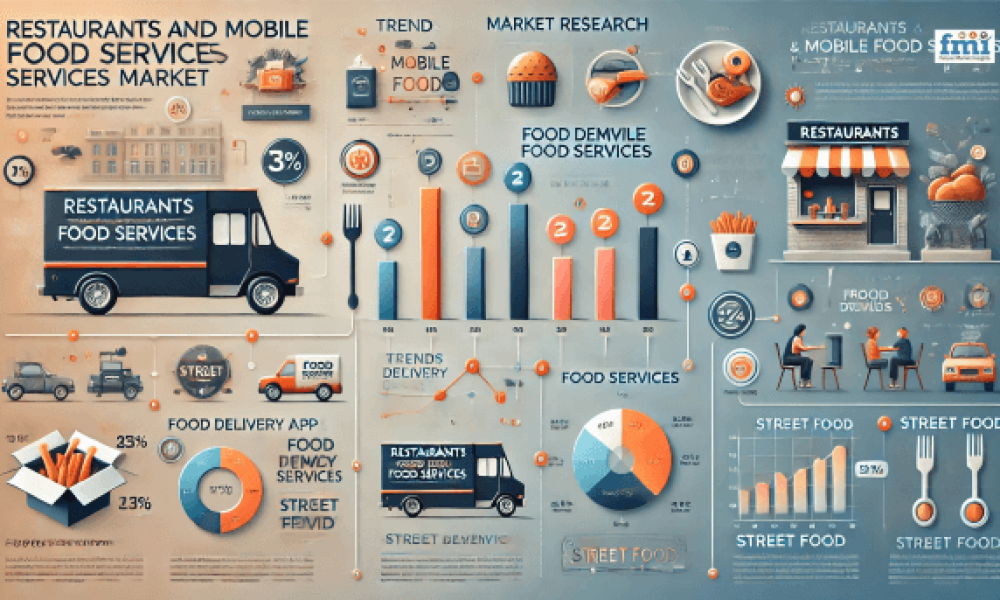
The global Restaurants & Mobile Food Services Market is poised for substantial growth in the coming years, with projections indicating a market size of USD 2.42 Trillion by 2025. This growth trajectory is expected to accelerate further, with the market likely to surpass USD 3.10 Trillion by 2035, reflecting a steady CAGR of 2.5% during the forecast period. The sector, which encompasses a broad range of dining services from traditional restaurants to mobile food trucks and on-the-go food providers, is undergoing significant transformation driven by changing consumer behaviors, technological advancements, and an increasing preference for convenience.
Discover Insights into the Market Request Your Sample Report! https://www.futuremarketinsights.com/report-sample#5245502d47422d3136363931
Unprecedented Growth Opportunities for Restaurants and Mobile Food Services
The restaurants and mobile food services industry has undergone significant transformation, driven by consumers’ growing demand for convenience, health-conscious meals, and innovative food delivery solutions. Rising disposable incomes, particularly in emerging markets, have increased the demand for diverse dining options, from quick-service restaurants (QSRs) to high-end mobile food trucks offering gourmet choices. As technology becomes more integrated into the foodservice sector, these trends are accelerating.
By 2025, the market is projected to reach USD 2.42 Trillion, fueled by the preference for on-the-go meals and the rise of tech-driven services like mobile apps and food delivery platforms. Mobile food services, in particular, are expected to play a pivotal role, making restaurant-quality meals more accessible to a wider audience and expanding rapidly across urban and suburban regions.
Technological Advancements Fueling Market Growth
One of the primary drivers of growth in the restaurants and mobile food services sector is the rapid advancement of technology. Mobile ordering apps, contactless payments, and AI-powered recommendation engines have become essential tools for businesses looking to stay competitive in a rapidly evolving market. The integration of cloud-based systems for inventory management, point-of-sale transactions, and customer feedback has also improved efficiency and customer satisfaction. Furthermore, the rise of cloud kitchens—virtual kitchens designed solely for food delivery—has allowed operators to serve more customers at reduced costs, contributing to the market’s expansion.
The growth of mobile food services, including food trucks, pop-up kitchens, and food carts, is also being supported by these technological advancements. Consumers are now able to track their favorite food trucks in real-time, make pre-orders, and receive personalized meal recommendations based on their preferences. This trend is expected to continue as food trucks continue to innovate and adapt to consumer needs.
Discover new opportunities and gain transformative insights with our Culinary Tourism Industry Reports! https://www.futuremarketinsights.com/industry-analysis/culinary-tourism
Consumer Trends Driving Demand in the Food Services Market
As the world becomes more health-conscious, a growing number of consumers are demanding healthier meal options. This shift is particularly evident in the rise of plant-based menus, organic ingredients, and low-calorie offerings at both brick-and-mortar restaurants and food trucks. In addition, food sustainability is becoming a key concern for consumers, with many choosing restaurants and mobile food services that focus on locally sourced ingredients, eco-friendly packaging, and sustainable practices.
The demand for mobile food services has also been amplified by shifting consumer lifestyles. Busy schedules, increased urbanization, and a preference for dining at home or on the go have contributed to the growing popularity of food delivery services. In 2025, food delivery and take-out services are expected to account for a significant portion of the market, with mobile food services playing a critical role in meeting the needs of time-starved consumers.
Challenges Faced by the Restaurants & Mobile Food Services Industry
- Rising Operational Costs: Increased costs for ingredients, labor, and technology integration are putting pressure on profit margins.
- Intense Competition: The growing number of food service providers, both traditional and mobile, creates a highly competitive market, making customer retention challenging.
- Supply Chain Disruptions: Issues like food sourcing, delivery delays, and supply chain disruptions can impact the availability and cost of ingredients.
- Health and Safety Regulations: Meeting evolving health and safety standards, particularly in mobile food services, presents ongoing challenges for operators.
- Changing Consumer Preferences: Adapting to rapidly changing tastes, health-conscious trends, and sustainability demands requires continuous innovation and flexibility.
Get Full Access of this Report: https://www.futuremarketinsights.com/reports/restaurants-and-mobile-food-services-market
Key Segments
By Type:
- Full-service Restaurants
- Limited-service Restaurants
- Cafeterias, Grill Buffets, and Buffets
- Mobile Food Services
By Region:
- North America
- Europe
- Asia Pacific
- Latin America
About Future Market Insights (FMI)
Future Market Insights, Inc. (ESOMAR certified, recipient of the Stevie Award, and a member of the Greater New York Chamber of Commerce) offers profound insights into the driving factors that are boosting demand in the market. FMI stands as the leading global provider of market intelligence, advisory services, consulting, and events for the Packaging, Food and Beverage, Consumer Technology, Healthcare, Industrial, and Chemicals markets. With a vast team of over 400 analysts worldwide, FMI provides global, regional, and local expertise on diverse domains and industry trends across more than 110 countries.




