
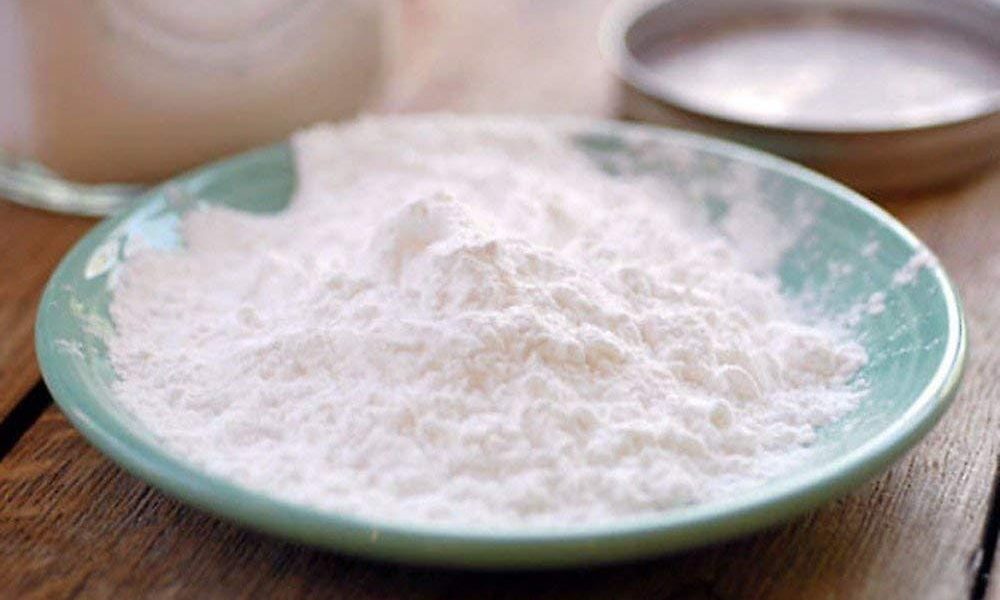
The global arrowroot starch market is projected to witness substantial growth, reaching USD 2.8 billion in 2024 and expanding at a CAGR of 4.1% to attain a market valuation of USD 4.2 billion by 2034. The increasing preference for clean-label, plant-based, and gluten-free ingredients across multiple industries is a key driver behind this steady growth trajectory.
Arrowroot starch, also referred to as arrowroot flour or arrowroot powder, has been a staple ingredient in cooking applications for centuries. Known for its neutral flavor and high starch content, it serves as an excellent thickening agent in soups, sauces, and desserts. As consumer preferences shift towards natural and minimally processed food products, arrowroot starch is gaining traction as a healthier alternative to traditional starches.
Get Ahead with Our Report: Request Your Sample Now! https://www.futuremarketinsights.com/report-sample#5245502d47422d3139363531
Key Takeaways
- The arrowroot starch market is expected to grow from USD 2.8 billion in 2024 to USD 4.2 billion by 2034, registering a CAGR of 4.1%.
- Rising consumer demand for gluten-free and clean-label products is fueling market expansion.
- The HoReCa sector (hotels, restaurants, and catering) is significantly contributing to the increased demand for arrowroot starch.
- Health-conscious consumers are driving sales of natural, plant-based alternatives such as arrowroot starch.
- The market is witnessing diverse applications across food, beverage, cosmetic, and pharmaceutical industries.
Driving Factors of Industry Growth
The demand for arrowroot starch is being propelled by the rising awareness of clean-label and gluten-free ingredients. Consumers suffering from gluten intolerance, celiac disease, or dietary restrictions are actively seeking alternative starch sources, making arrowroot an attractive option. Additionally, the growing urban population’s interest in fine dining and gourmet cooking is boosting the demand for high-quality starches used in attractive meals, appetizers, and desserts.
The rapid expansion of the food and confectionery industry also plays a crucial role in market growth. Arrowroot starch’s ability to enhance texture, improve consistency, and provide a natural thickening effect makes it a preferred choice for manufacturers in the bakery, sauces, and ready-to-eat meal segments. Furthermore, the ongoing clean-eating movement has encouraged manufacturers to innovate and reformulate their products using natural ingredients, positioning arrowroot starch as a sought-after alternative.
Applications Across Industries
Arrowroot starch is widely used across multiple industries due to its versatile properties. In the food and beverage sector, it is employed as a thickener in soups, gravies, and baby foods. Its non-GMO and gluten-free nature make it an ideal choice for health-focused consumers. The cosmetics industry utilizes arrowroot starch in body powders, face masks, and dry shampoos, capitalizing on its moisture-absorbing and soothing properties. Additionally, the pharmaceutical sector incorporates it into medicinal formulations, as it aids digestion and serves as a binding agent in capsules and tablets.
Industry experts highlight the increasing consumer inclination toward natural and organic ingredients as a primary factor driving market growth. “The arrowroot starch market is experiencing notable expansion due to shifting consumer preferences towards plant-based, gluten-free, and non-GMO products. As health awareness grows, we anticipate a continuous rise in demand from both end consumers and commercial sectors.
Detailed Market Study: Full Report and Analysis: https://www.futuremarketinsights.com/reports/arrowroot-starch-market
Regional Analysis
The global arrowroot starch market exhibits a strong presence across North America, Europe, Asia-Pacific, and other regions. North America holds a significant share due to the increasing consumption of gluten-free products and the rising trend of clean-label food options. The European market is witnessing a surge in demand owing to the growing vegan and health-conscious consumer base. Meanwhile, Asia-Pacific is emerging as a lucrative market, driven by the expanding food and beverage industry, growing urbanization, and increasing disposable incomes. Countries like China and India are seeing a rise in arrowroot starch consumption due to its traditional culinary applications and growing adoption in the health and wellness segment.
Recent Trends and Developments
The arrowroot starch market is witnessing several key developments. Leading companies are investing in product innovation to enhance the functional benefits of arrowroot-based solutions. Many manufacturers are focusing on sustainable sourcing practices to cater to the environmentally conscious consumer base. Additionally, the surge in e-commerce platforms has boosted the accessibility and availability of arrowroot starch, making it more convenient for consumers worldwide to purchase high-quality starch products.
Key Players
Prominent players in the global arrowroot starch market include Bob’s Red Mill Natural Foods, Anthony’s Goods, Naturevibe Botanicals, Herbal Secrets, Starwest Botanicals, and Frontier Co-op. These companies are actively expanding their product portfolios, engaging in strategic partnerships, and focusing on sustainable production methods to gain a competitive edge in the market.
Food Supplement and Nutrition Industry Analysis: https://www.futuremarketinsights.com/industry-analysis/food-supplement-and-nutrition
Key Segments of Market Report
By Application:
Based on application, the arrowroot starch market can be segmented into food and beverages, pharmaceuticals, nutraceuticals, textile, and others.
By Type:
Based on type, the industry can be bifurcated into organic and conventional.
By Distribution Channel:
Based on the distribution channel, the arrowroot starch market is categorized into retail stores and online retail.
By Region:
The sector has been analyzed in key countries of North America, Latin America, Europe, South Asia, East Asia, Oceania, and the Middle East and Africa.




