
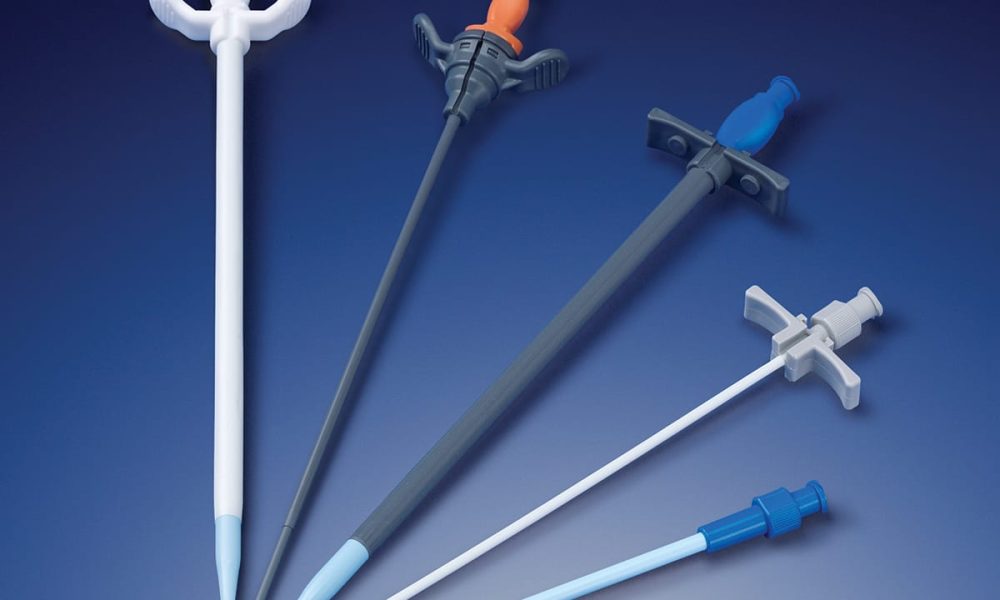
The global small bore connectors market is projected to expand from USD 633.1 million in 2025 to USD 924.8 million by 2035, registering a CAGR of 4.3%. In 2025, revenue is expected to be USD 607.0 million, with a Y-o-Y growth rate of 4.2%.
Market Overview
What are Small Bore Connectors?
These medical devices enable secure, leak-free tubing connections for administering fluids, gases, or medications. Their standardized designs prevent misconnections in healthcare settings.
USD 633.1 million in 2025 and rise to USD 924.8 million by 2035, reflecting a compound annual growth rate (CAGR) of 4.3% during the forecast period from 2025 to 2035.
Request a Sample Report Now to get Premium Insights:- https://www.futuremarketinsights.com/report-sample#5245502d47422d33373330
Key Market Drivers
- Growing Healthcare Sector Demand:
- Small bore connectors are essential in healthcare applications, particularly in medical devices such as infusion pumps, respiratory systems, and dialysis machines. The increasing prevalence of chronic diseases and a heightened emphasis on patient safety are driving demand for these connectors.
- Technological Advancements:
- Innovations in connector design, including enhanced locking mechanisms and contamination prevention features, are improving performance and driving market growth. These advancements ensure safer and more reliable connections in medical applications.
- Regulatory Standards and Safety Requirements:
- Increased regulatory scrutiny and stringent safety standards in healthcare and pharmaceuticals are pushing the adoption of high-quality small bore connectors. Compliance with standards such as ISO 80369 helps reduce the risk of misconnections, enhancing patient safety.
Market Trends and Opportunities
- Expansion into Non-Medical Sectors:
- The adoption of small bore connectors is expected to increase in non-medical sectors, such as automotive and industrial applications, as industries seek reliable connection solutions.
- Demand for Safer Connectors:
- There is a growing demand for safer and more durable connectors in medical devices and systems, prompting manufacturers to innovate and develop cost-effective solutions that meet strict safety standards.
- Rising Awareness of Patient Safety:
- Increased awareness among healthcare providers regarding the importance of connector safety is driving the market. This trend is likely to continue as healthcare systems prioritize patient safety initiatives.
A Full Report Analysis – https://www.futuremarketinsights.com/reports/small-bore-connectors-market
How do regulatory standards impact the adoption of small bore connectors in different industries?
Regulatory standards play a crucial role in the adoption of small bore connectors across various industries, particularly in healthcare. Here’s how these standards impact market dynamics:
1. Enhancing Patient Safety
- Regulatory standards, such as the ISO 80369 series, are designed to reduce the risk of misconnections between medical devices. By ensuring that connectors for different applications are incompatible, these standards help prevent serious medical errors that could jeopardize patient safety. This focus on safety drives healthcare providers to adopt compliant small bore connectors, thereby increasing their market penetration.
2. Compliance and Market Access
- Manufacturers must comply with stringent regulatory requirements to gain market access for their products. Compliance with recognized standards like ISO 80369 not only enhances product safety but also improves manufacturers’ reputation and reduces the risk of regulatory actions or legal liabilities. This compliance is essential for companies looking to enter or expand in regulated markets, thus promoting the adoption of standardized connectors.
3. Driving Innovation
- Regulatory scrutiny encourages manufacturers to innovate and improve their products to meet safety and performance standards. This drive for innovation leads to the development of advanced small bore connectors with enhanced features, such as improved locking mechanisms and contamination prevention, which further supports their adoption in medical applications.
4. Standardization Across Applications
- The implementation of regulatory standards promotes standardization across various applications in healthcare and other sectors. For example, the ISO 80369 standards specify that small bore connectors must be designed for specific applications (e.g., enteral, respiratory), ensuring that devices cannot be mistakenly connected to incompatible systems. This standardization is crucial for maintaining safety in complex medical environments.
5. Impact on Non-Medical Sectors
- While regulatory standards are primarily focused on healthcare, their influence is extending into non-medical sectors, such as automotive and industrial applications. As industries recognize the importance of safe and reliable connections, they are adopting similar standards to ensure compatibility and safety in their systems, thus broadening the market for small bore connectors.
6. Facilitating Global Trade
- Harmonized regulatory standards facilitate international trade by providing a common framework that manufacturers can adhere to across different markets. This harmonization allows companies to streamline their product development processes and reduce costs associated with meeting varying national regulations, thereby promoting wider adoption of small bore connectors globally.
Medical Supplies Industry Analysis: Pricing Trends, Consumer Insights, and Competitive Landscape Across 20+ Countries – https://www.futuremarketinsights.com/industry-analysis/medical-supplies
Key Players of Small Bore Connectors Industry
- Baxter International Inc.
- B. Braun
- BD
- Smiths Medical – Smiths Group Company
- ICU Medical Inc
- Merit Medical Systems, Inc.
- Nordson Corporation
- Elcam Medical
- CardioMed Supplies Inc. (Nipro Corporation)
Key Segments of Small Bore Connectors Industry
By Product:
In terms of Product, the industry is divided into liquid bore connectors and gas bore connectors
By Application:
In terms of Application, the industry is segregated into respiratory, enteral, urology, limb cuff inflation, neuraxial anesthesia, intravascular (Luer)
By End-User:
The industry is classified by end user as hospitals, clinics, ambulatory surgical centers, home care settings and others
By Region:
Key countries of North America, Latin America, Western Europe, Eastern Europe, East Asia, South Asia and Pacific, and Middle East and Africa (MEA) have been covered in the report.
About Future Market Insights (FMI)
Future Market Insights, Inc. (ESOMAR certified, recipient of the Stevie Award, and a member of the Greater New York Chamber of Commerce) offers profound insights into the driving factors that are boosting demand in the market. FMI stands as the leading global provider of market intelligence, advisory services, consulting, and events for the Packaging, Food and Beverage, Consumer Technology, Healthcare, Industrial, and Chemicals markets. With a vast team of over 400 analysts worldwide, FMI provides global, regional, and local expertise on diverse domains and industry trends across more than 110 countries.




