
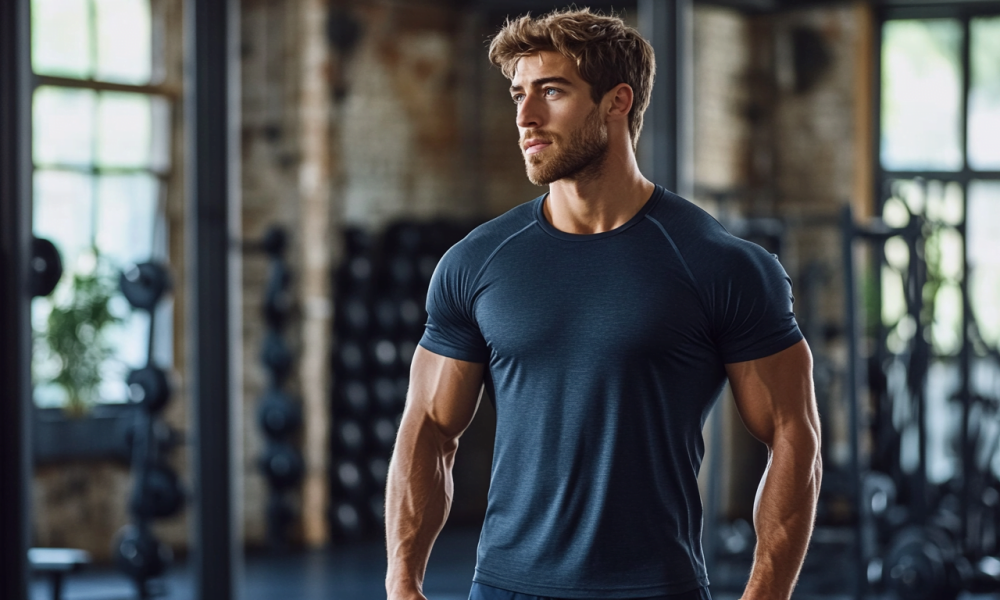
Choosing the right gym shirt can make all the difference in your workout experience. From the fabric to the fit, every detail counts when it comes to feeling comfortable and performing your best.
The key is to select a shirt that matches both your workout style and personal preferences.
If you’re into high-intensity training or running, moisture-wicking materials like polyester or blends can help keep you dry and cool.
On the other hand, for weightlifting or yoga, you might prefer the softness and flexibility of cotton or spandex.
Your workout style should dictate the type of material you choose.
Fit is another crucial aspect to consider. A too-tight shirt can restrict movement, while a too-loose one can get in the way.
Look for something that offers just the right balance, allowing you to move freely without distractions.
A well-fitted shirt enhances both comfort and performance.
Understanding Workout Shirt Materials
The right workout shirt involves choosing fabrics that match your activity needs. Examining natural and synthetic options alongside sweat-wicking technologies ensures you select the best gear.
Natural vs Synthetic Fabrics
Natural fabrics, like cotton and merino wool, are soft and breathable. Cotton’s moisture absorption makes it comfy for low-impact workouts.
Meanwhile, merino wool regulates body temperature and fights odors, making it a great option for longer activities.
Synthetic fabrics such as polyester, nylon, and spandex excel in breathability and stretch.
Polyester is lightweight and resists shrinking and stretching. Nylon adds durability, while spandex gives that needed flexibility for intense movement.
Eco-friendly choices include recycled materials, offering a way to stay green. Recycled polyester and polypropylene are common in this category.
The Science of Sweat-Wicking
Sweat-wicking fabrics are a game-changer in gym wear. Moisture-wicking materials pull sweat from your skin to the fabric’s surface, speeding up evaporation.
Coolmax and Lycra are popular for this function, keeping you dry and comfortable.
These advanced fabrics often combine synthetic fibers like polyester and polypropylene. These materials dry quickly, making them ideal for high-sweat activities.
Look out for gym shirts labeled with moisture-wicking or quick-dry features. Mesh inserts can also enhance breathability, reducing sweat buildup in critical areas.
Key takeaways: Choose moisture-wicking shirts for strenuous activities to stay dry. Combining synthetic options offers the best performance.
Key Features of High-Performance Gym Shirts
Choosing the right gym shirt involves considering comfort, flexibility, and functional features. Each of these aspects can significantly enhance your workout experience.
Durability and Comfort
You want a shirt that lasts through countless washes and intense workouts. Look for reinforced stitching and flat-lock seams to prevent chafing.
Moisture-wicking materials like polyester or elastane keep you dry by drawing sweat away from your body.
Anti-odor technology is also a plus. Meanwhile, breathable fabrics such as mesh panels or underarm gussets offer ventilation, keeping you cool.
Fit and Flexibility
The fit of your shirt can make or break your workout. Raglan sleeves or shirts with underarm gussets offer a better range of motion.
A bit of stretch, typically provided by elastane, ensures the shirt moves with you. Choose between a more fitted style or a casual, loose fit depending on your preference.
Additional Functionalities
Some graphic gym tees offer extra features for added convenience. Reflective logos can be important for late-night or early-morning runners.
If you work out outdoors, UPF 50+ fabrics provide necessary sun protection.
Sweat-wicking properties and venting options are crucial for intense sessions. Look for shirts with drawstrings for an adjustable fit or flat seams for reduced irritation.
Style and Aesthetics for Every Workout
Finding the right gym shirt not only improves comfort but also boosts confidence and motivation. Choose your workout clothes with attention to their aesthetic appeal and functional requirements based on your exercise routine.
Choosing the Right Color and Design
Color can influence your mood and performance. Bright colors like red and yellow can be energizing, while blues and greens offer a calming effect.
Neutral shades such as black, white, and gray are versatile and easy to mix with other workout gear.
Design elements like raglan sleeves provide a broader range of motion, ideal for weight lifting. Patterns and logos can add personality to your outfits, making your gym sessions more enjoyable.
It’s also good to pay attention to how the shirt fits; a good workout shirt should neither be too tight nor too loose.
Specialized Types for Various Exercises
Different exercises require specific types of gym wear. For high-intensity intervals, dri-fit tech fabrics keep you cool and dry.
Running might call for lightweight, breathable t-shirts. Meanwhile, for yoga or stretching routines, long-sleeve options can provide coverage and comfort.
Short-sleeve shirts are versatile and good for almost any kind of exercise. Cold weather calls for thermal or insulated activewear to maintain warmth.
Brands like Ten Thousand’s Versatile Shirt offer multi-functional options that adapt to diverse workout styles. Choosing the right activewear ensures that you get the most out of your workouts, no matter the exercise.
Maintaining Your Workout Shirts
Proper maintenance of your workout shirts ensures they remain durable and versatile, whether you’re wearing a hoodie, a sleeveless top, or a shirt designed for maximum range of motion. Adhering to specific care instructions can extend the life of your gear and help maintain its performance attributes like anti-odor treatment.
Washing and Care Instructions
Workout shirts often come in various fabrics, such as cotton, polyester, and blends. These materials need specific washing techniques to maintain their quality. Always read the care instructions on the label of each shirt.
Use cold water and a gentle cycle to prevent fabric wear. Avoid fabric softeners, as they can damage anti-odor treatments and affect the shirt’s performance.
For shirts with special treatments, mild detergents are recommended.
If your shirt has specific logos or designs, turn it inside out to protect them from fading. Air drying is preferable, but if you must use a dryer, opt for a low-heat setting.
Lastly, avoid washing workout shirts with heavy clothing items to prevent friction damage.
Enhancing Clothing Longevity
To get the most wear out of your workout shirts, follow practices that go beyond just washing.
Rotate your gear to evenly distribute wear and tear. For those who work out daily, having multiple shirts can be beneficial, reducing the washing frequency for each item.
Store your workout shirts in a cool, dry place to avoid mildew.
If your shirt comes with anti-odor treatments, ensure they are reactivated as per the manufacturer’s instructions, usually by washing them properly.
Avoid ironing workout fabrics, as high heat can damage elasticity and moisture-wicking properties.




