
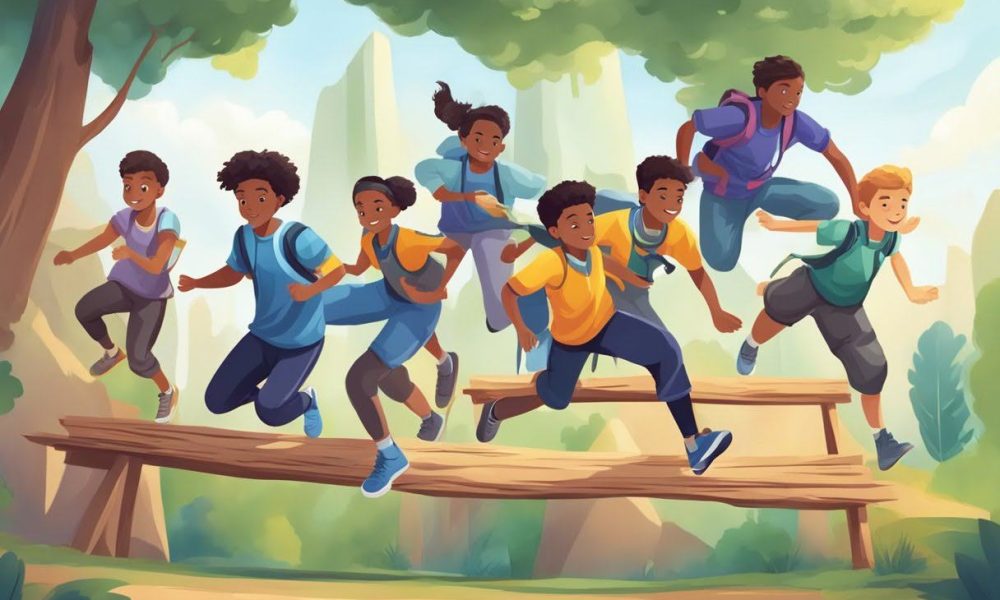
Resilience and grit are essential components in developing successful and well-rounded students. These traits empower individuals to tackle challenges head-on, both in and out of the classroom, equipping them with the determination to achieve long-term academic and personal goals. By fostering grit, students gain the perseverance needed to navigate the complexities of school life and career exploration, ensuring they remain engaged and motivated.
Participation in youth sports and other extracurricular activities can significantly enhance resilience. Such activities teach young individuals the importance of perseverance, teamwork, and discipline, preparing them for future career challenges. Student-athletes, in particular, benefit from balancing rigorous academic demands with intense training schedules, building the resilience necessary to handle life’s pressures.
Developing grit and resilience not only aids in achieving academic success but also contributes to better career outcomes. Students with these qualities are more likely to explore diverse career paths and pursue their passions with vigor. This foundation of resilience helps them adapt to various professional environments and continuously strive for personal and career growth.
Understanding Resilience and Grit
Resilience and grit are critical traits for youth, especially in sports and education, driving them to achieve long-term goals. These qualities empower young individuals to face challenges and foster perseverance.
Definition and Importance
Resilience is the ability to adapt well to adversity, stress, or significant sources of stress. It involves bouncing back from difficult experiences with determination and tenacity. For students and young athletes, resilience is key to recovering swiftly from setbacks and maintaining focus on their objectives.
Grit, on the other hand, refers to sustained passion and perseverance for long-term goals. It is crucial in helping students pursue their ambitions consistently over time. This quality not only aids in academic achievements but also supports career aspirations. Developing grit enables youth to remain committed to significant tasks, regardless of obstacles.
Components of Resilience
Resilience comprises emotional, cognitive, and social aspects. Emotionally, resilient individuals manage their emotions effectively during stressful situations. This regulation enhances their capacity to handle adversity. Cognitively, it involves positive thinking patterns and problem-solving skills that help students face challenges constructively.
Social support from family, peers, and mentors also plays a vital role. Such support networks provide encouragement and resources, facilitating recovery from setbacks. Additionally, building resilience requires nurturing a growth mindset. This mindset involves embracing challenges as opportunities for learning rather than threats.
Measuring Grit in Students
Grit is often measured using self-report questionnaires like the Grit Scale, developed by psychologist Angela Duckworth. This tool assesses both passion and perseverance by posing questions about the person’s focus on challenging tasks over time. Understanding grit in students helps educators address areas requiring growth.
Observational methods complement self-reports by evaluating students’ behavior in academic and extracurricular activities. Teachers and coaches can assess grit by noting persistence in practice or dedication to achieving specific goals, offering a comprehensive view of the student’s perseverance. These insights can inform strategies for developing and enhancing grit.
Fostering Growth and Achievement
Fostering growth and achievement in students involves developing resilience and grit through intentional curriculum design and supportive environments, recognizing student achievements, and equipping them with career exploration strategies.
Curriculum for Building Resilience
An effective curriculum for building resilience focuses on integrating programs that enhance problem-solving skills and adaptability. It’s essential to include growth mindset activities that encourage students to see challenges as learning opportunities.
Interactive workshops and group exercises foster collaboration and resilience by simulating real-life scenarios. Educators should incorporate positive psychology principles, emphasizing personal strengths and well-being, to help students manage stress and adversity more effectively.
This approach helps students acquire the mental tools needed to persist despite challenges.
Creating Supportive Environments
Creating a supportive environment involves establishing classrooms characterized by care, respect, and encouragement. Schools should promote open communication, allowing students to express their ideas and feelings without fear of judgment.
Involving teachers, counselors, and parents in creating individualized support systems is crucial. It helps address students’ unique needs, contributing to their sense of security and belonging.
Small group mentoring and peer support networks are also effective strategies, fostering a community that motivates students to persevere.
Milestone Recognition and Student Successes
Recognizing milestones and student successes can significantly enhance their motivation and self-esteem. Regular feedback and acknowledgment of achievements, both small and large, are vital.
Creating a structured system that celebrates progress helps students internalize their successes. Schools can implement awards or certificates of excellence that recognize effort, determination, and improvement.
This not only boosts confidence but also encourages continued effort and commitment to personal goals.
Career Exploration Strategies
Career exploration strategies should begin early to help students align their educational experiences with future professional aspirations. Schools can integrate career days, job-shadowing opportunities, and internship programs into the curriculum.
Providing access to career counseling services and tools like assessments can help students identify their strengths and interests. Workshops focusing on resume building, interview skills, and networking can further prepare students for future endeavors.
These strategies enable students to make informed decisions about their educational and professional paths.




