
The concept of witness protection carries an air of mystery, intrigue, and at times, misunderstanding. Popular culture has turned it into a familiar trope, with movies and television painting it as a dramatic transformation of one’s identity, often in a matter of hours, and a new life offered without consequence. The truth, however, is more complex.
In reality, witness protection programs operate under strict legal frameworks, logistical planning, and bureaucratic structures. This release examines the reality of witness protection, the myths surrounding it, and the folklore that continues to mislead the public, businesses, and even vulnerable individuals.
A Program Shaped by Necessity
Witness protection was born out of a fundamental need: safeguarding individuals whose testimony was essential to dismantling organized crime and high-level corruption. In the United States, the Witness Security Program, commonly known as WITSEC, was established in 1971 under the Organized Crime Control Act. It was crafted in response to the difficulty of prosecuting Mafia leaders, drug cartels, and later, terrorist organizations. Without assurance of protection, critical witnesses feared retaliation, leaving prosecutors unable to secure convictions.
Since its inception, WITSEC has protected over 19,000 witnesses and family members. According to government reports, no protected witness who followed program rules has ever been harmed by criminals they testified against. The program is often hailed as one of the most successful law enforcement tools in U.S. history, but its inner workings remain shrouded in secrecy. This secrecy has given rise to speculation, fiction, and folklore.
Fiction Versus Reality: What Movies Get Wrong
Hollywood thrives on drama, and witness protection has become a staple plot device. From Goodfellas to The Sopranos and even comedies like My Blue Heaven, pop culture portrays witness protection as a dramatic overnight relocation. In most storylines, a witness agrees to testify, receives a new name, is whisked away by federal agents, and emerges the next morning as a different person in a distant town.
In reality, the process is painstaking and layered with conditions. Witnesses must sign memorandums of understanding that detail behavioural expectations. They must sever ties with their past lives, avoid contact with known associates, and often live under surveillance. Relocation involves securing housing, employment, and integrating into communities. It is not a glamorous reset, but a structured and restrictive process requiring compliance and sacrifice.
Witnesses do not receive unlimited financial support, contrary to cinematic depictions. They may be provided with temporary stipends, job training, or assistance finding employment, but self-sufficiency is the ultimate goal. In some cases, the program requires witnesses to accept a significant downgrade in lifestyle, moving from urban affluence to small-town anonymity.
The Folklore: Stories That Persist in the Shadows
Beyond fiction lies folklore, those half-truths and rumours that circulate in communities and even online forums. One persistent belief is that anyone can apply for witness protection if they feel threatened. Another is that the government offers lavish benefits, such as large sums of money, new homes, or guaranteed jobs. Folklore suggests that witness protection is a form of reward for cooperating with authorities, rather than a safety mechanism.
In reality, entry into witness protection is not voluntary in the sense of a job application. Individuals are considered for placement only if their testimony is deemed vital to a case. Protection is not a right, but a tool wielded at the discretion of prosecutors and law enforcement. Moreover, relocation is not designed to reward, but to mitigate risk. Many witnesses have described it as both lifesaving and deeply isolating.
International Variations: Beyond the United States
While WITSEC is the most famous program, witness protection is a global necessity. Many countries have developed their own versions, each reflecting unique cultural, legal, and logistical contexts.
Canada operates the federal Witness Protection Program under the Royal Canadian Mounted Police (RCMP). Unlike the U.S., the Canadian program has faced criticism for limited funding and resources. Entry into the program is not guaranteed, and many witnesses rely on provincial or ad hoc police protection.
The European Union has developed cooperative frameworks allowing cross-border relocations. Italy, for instance, developed one of the most robust programs in Europe, born from its long struggle against the Sicilian Mafia. Witnesses in Italy may receive new identities, financial support, and even psychological counselling, with entire family groups relocated for safety.
Australia runs its witness protection through the Australian Federal Police, providing relocation and new documentation. However, like other programs, it demands strict compliance. Witnesses who violate rules risk removal from the program, forfeiting protection.
These variations highlight a global consensus: while necessary, witness protection is costly, complex, and imperfect.
Case Study One: The Mob Accountant
Consider the case of a U.S. mob accountant who turned government witness in the late 1980s. His testimony unravelled decades of organized crime financial operations. Hollywood might suggest he was rewarded with millions and beachfront living. In truth, he and his family were relocated to a small Midwestern town. The family had to abandon extended relatives, cut off contact with lifelong friends, and adapt to menial jobs far removed from their previous lifestyle. While safe, the psychological toll was immense. Isolation, fear of discovery, and a sense of exile marked their daily lives. This case illustrates that witness protection is not a reward, but a tradeoff: security at the expense of identity.
Case Study Two: The Sicilian Mafia Informant
In Italy, one of the most famous Mafia turncoats, Tommaso Buscetta, entered the witness protection system after testifying against Cosa Nostra leaders in the 1980s. His cooperation was pivotal to the Maxi Trial, which convicted hundreds of Mafia members. Yet his protection was not absolute. Despite relocation, Buscetta lived under constant fear. His testimony made him an international target. Unlike fictional portrayals, his life after cooperation was defined by anxiety and vigilance. His experience reflects the international reality: witness protection saves lives, but it cannot erase danger.
The Identity Question: How New Identities Are Created
One of the most misunderstood aspects of witness protection is identity change. Films depict instant transformations, but in practice, creating new identities is a delicate balance of legality, documentation, and compliance with international standards.
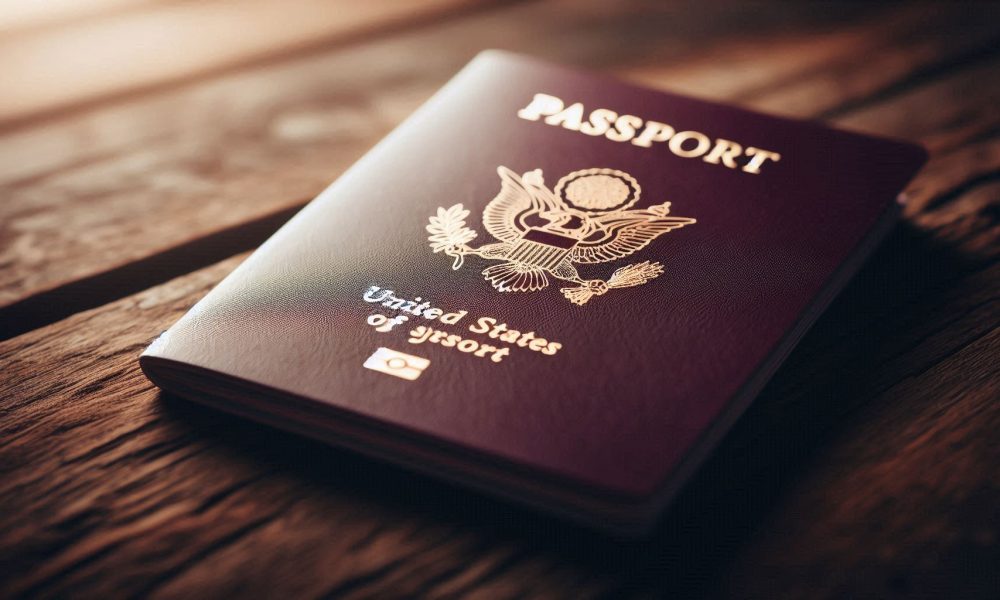
In the U.S., new Social Security numbers, driver’s licenses, and other documents may be issued, but always through legitimate governmental channels. Fabricated documents are not used. Internationally, the process must comply with ICAO 9303 standards for machine-readable travel documents, ensuring that relocated witnesses can travel without raising suspicion at borders.
This legal backbone distinguishes protection from criminal fraud. Witnesses live under legitimate identities, often blending into communities as ordinary citizens. Yet this also means they must abide by the restrictions of law, and violations can lead to exposure.
Business Implications: Why Witness Protection Matters to Corporations
It may seem distant from business concerns, but witness protection carries implications for corporations and international commerce. Employees, executives, or consultants may be drawn into criminal investigations, making them potential witnesses. Companies that operate in high-risk industries, such as pharmaceuticals, energy, or international trade, may find that insiders become whistleblowers.
For corporations, understanding the realities of witness protection helps manage risk. Fiction and folklore can mislead decision-makers, leading them to underestimate the personal and legal complexities faced by employees who cooperate with law enforcement. Firms must also understand the implications of identity change and relocation, particularly when conducting due diligence or background checks.
Case Study Three: The Whistleblower Scientist
In the late 2000s, a scientist working for a major pharmaceutical company exposed a large-scale scheme involving falsified drug trials. The individual’s testimony was critical to a federal investigation. Following credible threats, the scientist was placed in a protection program. The relocation was not glamorous. The scientist moved from an urban research hub to a rural community, abandoning a prestigious career. While safe, the scientist struggled with employment, identity, and psychological strain. For businesses, this case underscores that whistleblowers who enter witness protection face not only physical relocation but also professional exile.
Folklore in the Digital Age: Internet Myths and Social Media
The rise of digital platforms has amplified folklore surrounding witness protection. Online forums are filled with exaggerated stories, conspiracy theories, and purported “guides” on entering the program. Some websites even claim to sell access to “government witness protection services,” preying on vulnerable individuals seeking safety.
In truth, these claims are fraudulent. No legitimate witness protection program operates through open applications or online signups. The process is entirely mediated by law enforcement and prosecutors. For individuals and businesses alike, understanding this distinction is critical to avoiding scams.
The Psychological Toll: Living a Life of Secrecy
Life in witness protection is not merely about relocation, but about living with permanent secrecy. Witnesses often report feelings of loneliness, disconnection, and a loss of identity. They must abandon careers, communities, and even their own names. Children in protection programs face unique challenges, such as adapting to new schools without contact with their extended family.
This human cost is often overlooked in both fiction and folklore. For every cinematic portrayal of a fresh start, real families are grappling with the daily strain of secrecy.
The Compliance Angle: Legal Frameworks and Oversight
Witness protection operates under strict legal frameworks, which vary by country. In the U.S., WITSEC is administered by the U.S. Marshals Service, with oversight by the Department of Justice. In Canada, the RCMP administers the program under the Witness Protection Act. The European Union’s cross-border cooperation reflects the growing recognition that crime is international, and so protection must be as well.
These frameworks highlight an important truth: witness protection is not arbitrary. It is legally structured, overseen by government institutions, and subject to policy debates. Funding, accountability, and human rights considerations shape how programs evolve.
Case Study Four: The Digital Witness
A recent case involved a cybercrime witness whose testimony was pivotal in dismantling an international hacking syndicate. Unlike traditional witnesses tied to organized crime, this individual faced digital threats: doxing, online harassment, and hacking attempts. The protection program had to adapt, offering not only physical relocation but also digital security measures. The case demonstrates how witness protection is evolving to meet the realities of cybercrime and digital exposure.
Folklore’s Dangerous Impact
Folklore surrounding witness protection is not harmless. Believing that anyone can enter the program, or that it offers a life of luxury, can create false expectations for those who may be approached by law enforcement. It can also undermine trust in the system, making potential witnesses hesitant to cooperate. Businesses and communities must counter these myths with an accurate understanding.
Moving Forward: Educating the Public
The divide between fact, fiction, and folklore will always exist, but education is critical. By understanding the legal frameworks, international variations, and human realities of witness protection, society can move beyond cinematic myths. Witness protection is not glamorous, nor is it universally available. It is a structured, demanding, and often isolating process designed to protect lives while enabling justice.
For individuals, businesses, and governments, clarity is essential. Misunderstanding witness protection can lead to poor decisions, susceptibility to fraud, and misplaced expectations. By separating fact from fiction and exposing folklore for what it is, stakeholders can approach the subject with the seriousness it deserves.
Contact Information
Phone: +1 (604) 200-5402
Signal: 604-353-4942
Telegram: 604-353-4942
Email: [email protected]
Website: www.amicusint.ca




