
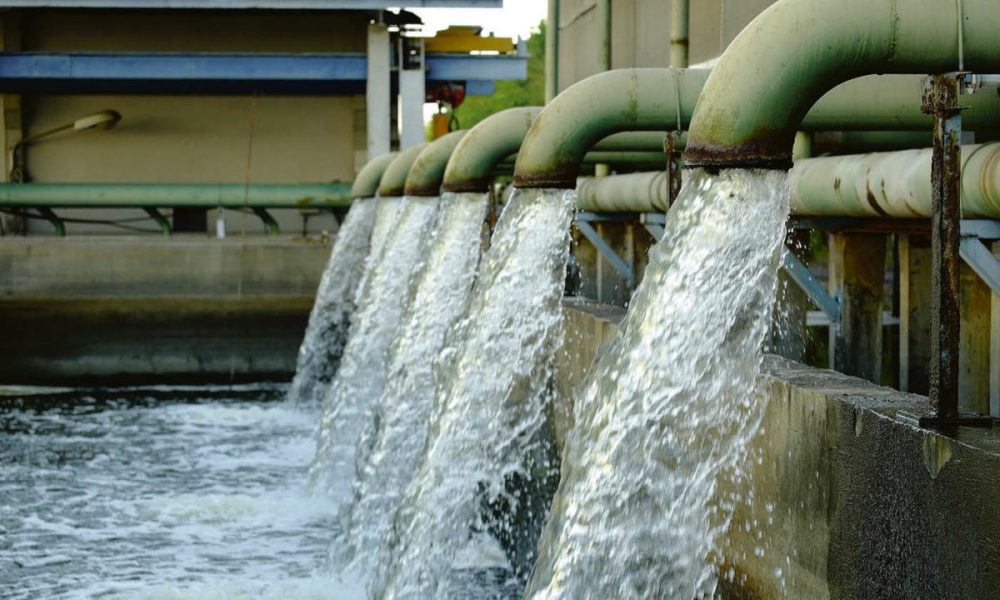
The global water and wastewater pipes market is undergoing robust growth, driven by rapid urbanization, expanding infrastructure projects, and increasing investments in water management systems worldwide. In 2021, the market was valued at US$ 61.38 billion, and it is projected to nearly double, reaching US$ 120.94 billion by 2032, reflecting a CAGR of 6.5% during the forecast period. Sales volume is expected to hit 51,509 kilo tons by the end of 2022, with annual growth of approximately 5.3%.
The primary growth drivers include rising concerns over water scarcity, particularly in water-stressed regions, and government-backed initiatives to upgrade water distribution and wastewater treatment infrastructure. Among product types, plastic pipes—including PVC, HDPE, cPVC, and PP—dominate the market, accounting for 50–55% of global sales due to their corrosion resistance, durability, and cost-effectiveness. Geographically, East Asia leads the market, projected to expand at 7.6% CAGR through 2032, thanks to large-scale infrastructure development, rapid urban growth, and strong municipal demand in countries like China and Japan.
Key Highlights from the Report
✦ Global market to reach US$ 120.94 billion by 2032 with a CAGR of 6.5%.
✦ Plastic pipes account for 50–55% of total global sales.
✦ East Asia expected to grow at 7.6% CAGR during 2022–2032.
✦ Municipal sector drives 40% of total market demand.
✦ GCC countries to see 7.2% CAGR, fueled by US$ 80B in water projects.
✦ HDPE pipes gaining popularity due to multi-industry applications.
𝐆𝐞𝐭 𝐚 𝐒𝐚𝐦𝐩𝐥𝐞 𝐏𝐃𝐅 𝐁𝐫𝐨𝐜𝐡𝐮𝐫𝐞 𝐨𝐟 𝐭𝐡𝐞 𝐑𝐞𝐩𝐨𝐫𝐭 (𝐔𝐬𝐞 𝐂𝐨𝐫𝐩𝐨𝐫𝐚𝐭𝐞 𝐄𝐦𝐚𝐢𝐥 𝐈𝐃 𝐟𝐨𝐫 𝐚 𝐐𝐮𝐢𝐜𝐤 𝐑𝐞𝐬𝐩𝐨𝐧𝐬𝐞): https://www.persistencemarketresearch.com/samples/3542
Market Segmentation
🔹 By Product Type: The market is segmented into plastic, concrete, steel, ductile iron, and clay pipes. Plastic pipes dominate due to advantages such as corrosion resistance, lightweight handling, recyclability, and lower manufacturing energy requirements compared to metals. HDPE pipes are especially in demand for applications in potable water supply, sewage disposal, irrigation, and industrial effluent discharge.
🔹 By Diameter: Pipes up to 1200 mm in diameter hold the largest market share, widely used in municipal, residential, and commercial projects for both water distribution and wastewater collection. Larger diameters are mainly reserved for industrial and large-scale municipal infrastructure.
🔹 By End Use: The municipal sector accounts for around 40% of global demand, encompassing residential and commercial distribution networks. Industrial usage includes sectors like manufacturing, power generation, and chemical processing, where water management is critical. Agricultural applications, including irrigation, also contribute a significant share to overall consumption.

Regional Insights
In East Asia, countries such as China, Japan, and South Korea are investing heavily in modernizing their water and wastewater networks, supporting a CAGR of 7.6% through 2032. Rapid industrialization and urban expansion drive demand for both potable and wastewater systems.
In the GCC region, low natural freshwater resources and high urbanization rates are prompting governments to invest over US$ 80 billion in water infrastructure projects, resulting in a forecast CAGR of 7.2%.
North America, led by the United States, accounts for over 25% of the global market. Recovery in construction, coupled with federal and state investment—such as the US$ 111 billion under the American Jobs Plan—is boosting the sector.
In South Asia & Pacific, India emerges as a key market due to severe water stress and a rapidly growing population. The country is projected to invest US$ 270 billion in water infrastructure over the next 15 years, making it a major growth driver for the region.
Market Drivers
Global water scarcity concerns are pushing governments and organizations to enhance their water distribution and wastewater treatment infrastructure. Increasing urbanization and industrial activity are generating higher demand for efficient, durable piping systems. Plastic pipes, particularly HDPE, are gaining traction due to their long lifespan, resistance to corrosion, and suitability for a variety of environments. Additionally, funding from organizations such as the World Bank is enabling large-scale infrastructure improvements in water-stressed regions.
Market Restraints
Stringent regulations on plastic usage and waste management are challenging manufacturers. For example, certain countries mandate minimum density and material standards for plastic pipes, which can increase production costs. Growing public and governmental pressure to reduce plastic waste could slow down adoption, particularly in regions with strong anti-plastic policies.
Market Opportunities
The increasing need for sewage and wastewater treatment in emerging economies presents a substantial growth opportunity. Investments in smart water networks, desalination plants, and green infrastructure are expected to boost demand. Additionally, eco-friendly materials and advanced recycling processes offer opportunities for companies to innovate while aligning with environmental regulations.
Reasons to Buy the Report
✔ Gain in-depth insights into a US$ 120.94 billion market opportunity.
✔ Understand regional growth dynamics, including East Asia’s 7.6% CAGR.
✔ Identify high-growth segments such as HDPE pipes.
✔ Learn about government-backed infrastructure investment plans worldwide.
✔ Access competitive intelligence on leading players and recent market developments.
Frequently Asked Questions (FAQs)
How Big is the Water and Wastewater Pipes Market?
Who are the Key Players in the Global Water and Wastewater Pipes Market?
What is the Projected Growth Rate of the Market?
What is the Market Forecast for 2032?
Which Region is Estimated to Dominate the Industry through the Forecast Period?
Company Insights
Key Players:
• China Lesso Group Holdings Limited
• Orbia
• JM Eagle, Inc.
• Aliaxis Group SA
• Tata Steel Limited
• Cemex, S.A.B. de C.V.
• Nippon Steel Corporation
• AMERICAN (American Cast Iron Pipe Company)
• Sekisui Chemical Co., Ltd.
• Nippon Steel Pipe Co., Ltd.
• Future Pipe Industries
• Georg Fischer Ltd.
Recent Developments:
In 2021, Aliaxis Group S.A. opened a new HDPE pipe manufacturing plant in Durgapur, India.
In 2020, Georg Fischer Ltd. acquired FGS Brasil Indústria e Comércio Ltda., expanding its South American market footprint.
Conclusion
The water and wastewater pipes market is on a strong growth trajectory, with revenues set to nearly double by 2032. Demand is being fueled by infrastructure modernization, population growth, and the urgent need for sustainable water management solutions. Plastic pipes, particularly HDPE, will continue to dominate due to their versatility and efficiency. While environmental regulations pose challenges, they also drive innovation in eco-friendly piping solutions. Regions like East Asia, GCC, and North America will remain hotspots for growth, with India and China emerging as particularly influential markets in shaping the industry’s future.
𝐑𝐞𝐥𝐚𝐭𝐞𝐝 𝐑𝐞𝐩𝐨𝐫𝐭𝐬:




