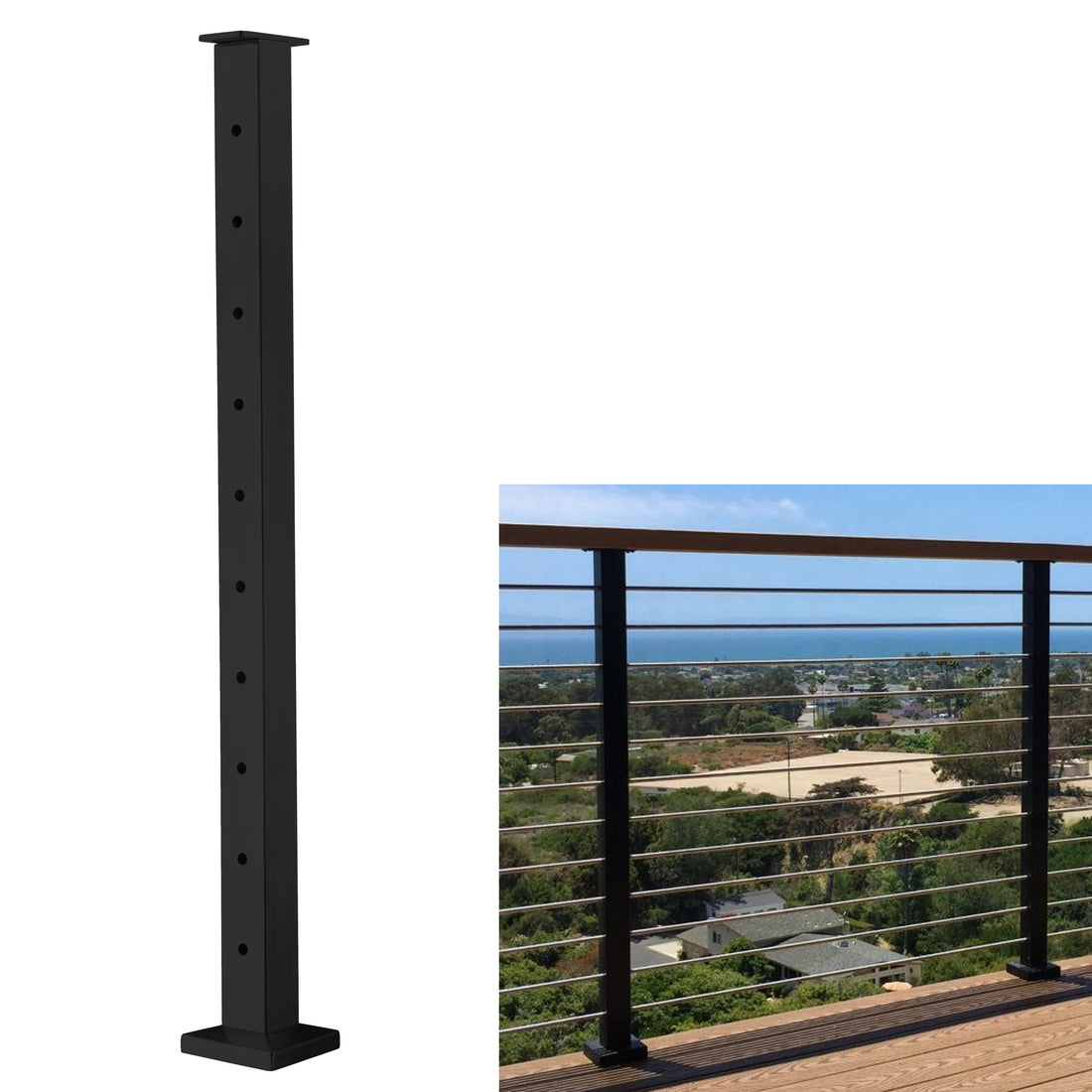
The return process for post and cable railings can seem daunting, especially when dealing with specialty construction materials. Unlike returning a shirt to a retail store, railing systems often involve multiple components, specific packaging requirements, and varying policies depending on the manufacturer or retailer. Many customers find themselves uncertain about timeframes, condition requirements, and the proper steps to initiate a return.
This article walks you through everything you need to know about returning unused post and cable railings. We’ll cover the standard return procedures, packaging considerations, how to effectively communicate with customer support, and solutions to common obstacles you might encounter along the way.
Introduction
Post and cable railings have become increasingly popular in modern architecture, offering an unobstructed view while maintaining safety standards. These systems typically consist of vertical posts anchored to surfaces, horizontal stainless steel cables tensioned between them, and various hardware components that hold everything together. The modular nature of these railing systems means they come in multiple pieces—posts, cable spools, tensioners, end fittings, and mounting brackets—each carefully manufactured to work as a cohesive unit. Understanding what you’ve purchased is the first step in successfully returning unused components, as different parts may have different return eligibility based on their customization level and condition.

The Return Process Explained
Returning unused post and cable railings begins with reviewing the retailer’s or manufacturer’s return policy, which is typically found on their website or included with your purchase documentation. Most companies allow returns within 30 to 90 days of purchase, though this window varies significantly. Start by locating your order confirmation email and receipt, as you’ll need the order number and purchase date to initiate the return. Check whether your items qualify for return—generally, unopened packages in original condition have the highest acceptance rate, while opened or partially used materials may face restrictions or restocking fees.
 Once you’ve confirmed eligibility, initiate the return through the company’s designated channel, which might be an online return portal, email request, or phone call. Provide your order details and specify which items you’re returning. The company will typically issue a Return Merchandise Authorization (RMA) number, which must accompany your shipment. Without this number, your return may be rejected or significantly delayed. Document everything by taking photographs of the items in their current condition before packing them, as this provides evidence if disputes arise about the state of returned materials.
Prepare your items for shipment according to the company’s specifications. Use sturdy boxes and adequate cushioning to prevent damage during transit, as items damaged in return shipping may not qualify for full refunds. Include the RMA number prominently on the outside of the package and keep all tracking information. Most retailers require you to cover return shipping costs unless the return results from their error, so factor this expense into your decision. Ship the items using a carrier that provides tracking and consider purchasing insurance for high-value returns to protect against loss during transit.
What to Do with the Original Packaging
Original packaging plays a crucial role in successful returns of post and cable railings. If you haven’t yet opened your items, keep everything in its original boxes and wrapping—this dramatically increases your chances of a hassle-free return and full refund. Manufacturers design packaging specifically to protect these materials during shipping, and retailers often require items to be returned in the same condition they were received. Even if you’ve opened the outer shipping box to inspect your order, leaving the individual components in their factory packaging demonstrates that the items remain unused and in sellable condition.
When original packaging has been discarded, your return options become more limited but not impossible. Contact the retailer immediately to explain the situation before attempting to return items. Some companies will accept returns in alternative packaging if the products themselves remain in pristine, unused condition, though they may charge restocking fees ranging from 10% to 25% of the purchase price. If you must repackage items, use sturdy corrugated boxes with ample bubble wrap or foam padding around each component, ensuring posts won’t shift during transit and cables remain on their spools without tangling.
Contacting Customer Support
Effective communication with customer support can make the difference between a smooth return and a frustrating experience. Before reaching out, gather all relevant information: your order number, purchase date, product descriptions or SKU numbers, and photos of the items you’re returning. Having these details ready accelerates the process and demonstrates you’re a prepared customer. Most companies offer multiple contact methods—phone, email, live chat, or online contact forms—and choosing the right channel depends on your situation’s urgency and complexity.
Phone support works best for time-sensitive returns or when you need immediate clarification on policy questions. Call during business hours and be prepared to wait, as railing companies often have small customer service teams. When speaking with representatives, remain courteous but clear about your needs, explaining why you’re returning items and asking specific questions about restocking fees, shipping procedures, and refund timelines. Take notes during the conversation, including the representative’s name, date, and any reference numbers provided.
Email or online forms suit situations requiring documentation or when dealing with non-urgent returns. Write concise messages with clear subject lines like “Return Request – Order #12345” and include all relevant information in your initial contact to avoid back-and-forth exchanges. Attach photos showing item condition and any defects if applicable. Response times typically range from 24 to 72 hours, so plan accordingly if you’re approaching the end of your return window. Always save copies of all correspondence as proof of your return attempt should disputes arise later.
Common Issues and Solutions
One of the most frequent obstacles customers encounter is discovering their return window has expired. If you’ve missed the standard return period, contact customer support immediately and explain your circumstances honestly. Some companies offer discretionary extensions, especially for first-time customers or when extenuating circumstances prevented timely returns. While success isn’t guaranteed, politely requesting an exception costs nothing and occasionally yields positive results. If the company refuses, consider whether selling the materials locally through classified ads or construction forums might recover more value than storing unused items indefinitely.
Restocking fees often surprise customers who assumed returns would be free. These fees, typically between 15% and 25%, compensate retailers for processing, inspection, and potential depreciation of returned goods. Before finalizing a return, calculate whether the refund amount minus restocking fees and return shipping costs justifies the effort. For lower-value items, you might lose money on the transaction. When restocking fees seem excessive or weren’t clearly disclosed at purchase, reference the company’s published policies and your original order documentation. If policies weren’t transparent, escalate the issue to a supervisor who may have authority to waive or reduce fees.
Custom-ordered or modified components present the biggest return challenge, as most manufacturers won’t accept returns on items fabricated to specific measurements or finishes. If you ordered custom posts cut to particular heights or cables in non-standard lengths, these typically become final sale items. However, if you received incorrect custom items due to company error, document the discrepancy with photographs and measurements, then insist on replacement or full refund regardless of customization policies. Manufacturing errors remain the seller’s responsibility. For standard items mistakenly believed to be custom, carefully review your order confirmation to verify whether customization was actually applied—sometimes items are standard products that simply appear custom, making them eligible for normal returns. Companies like Senmit and other construction material suppliers typically maintain clear documentation distinguishing standard inventory from custom-fabricated components, so referencing your original order specifications can clarify your return eligibility.
Successfully Navigating Your Railing Return
Successfully returning unused post and cable railings requires understanding your retailer’s specific policies, acting within designated timeframes, and maintaining items in their original condition whenever possible. The process involves gathering your purchase documentation, obtaining an RMA number, carefully packaging components to prevent transit damage, and keeping detailed records of all communications and shipments. While original packaging significantly improves your chances of a full refund, even opened items may qualify for returns with potential restocking fees.
When challenges arise—whether missed deadlines, lost packaging, or confusion about custom orders—proactive communication with customer support often yields workable solutions. Approach the return process methodically, calculate whether fees and shipping costs make financial sense, and don’t hesitate to advocate for yourself when policies weren’t clearly communicated or errors occurred on the seller’s end. By following the steps outlined in this guide and maintaining patience throughout the process, you can successfully navigate returning unused railing materials and recover your investment for future projects that better match your needs.