
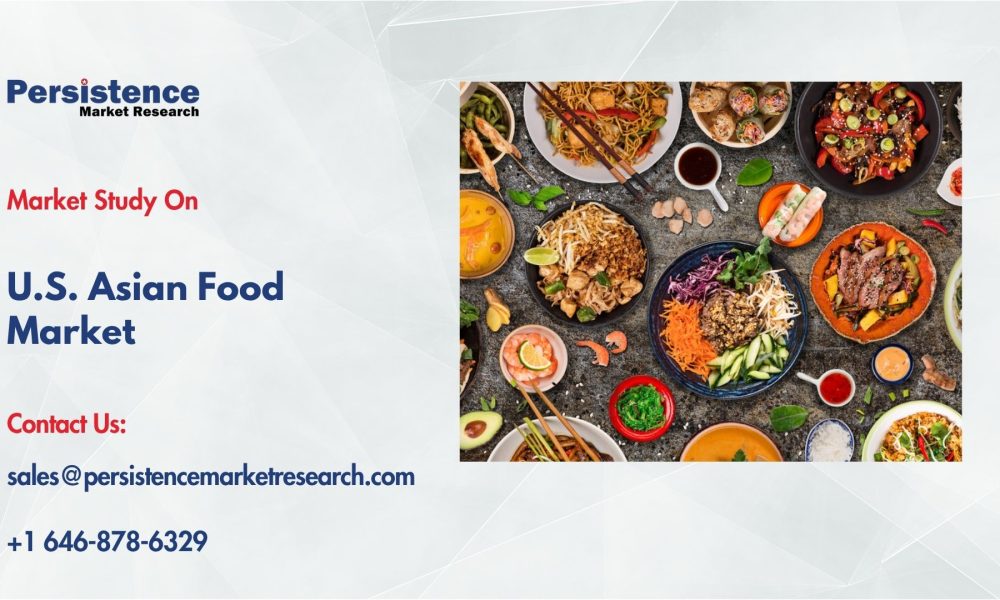
The U.S. Asian food market is experiencing strong and sustained momentum, driven by evolving consumer preferences, increasing cultural diversity, and the mainstream adoption of global cuisines across American households. In 2025, the U.S. Asian food market is valued at US$ 38.1 billion and is projected to reach US$ 52.5 billion by 2032, expanding at a compound annual growth rate (CAGR) of 4.7% during the forecast period from 2025 to 2032.
Asian food, encompassing a broad range of cuisines such as Chinese, Japanese, Indian, Thai, Korean, Vietnamese, and Southeast Asian, has moved well beyond niche ethnic consumption in the U.S. market. What was once primarily driven by immigrant populations has now become an integral part of mainstream dining, retail, and foodservice offerings. Increasing exposure through travel, digital media, and food culture platforms has significantly accelerated consumer familiarity and acceptance of Asian flavors, ingredients, and cooking styles.
The market’s expansion is further supported by the growing availability of Asian food products across supermarkets, hypermarkets, specialty stores, and online retail channels. Ready-to-eat meals, sauces, noodles, frozen foods, snacks, and beverages inspired by Asian cuisines are increasingly positioned as convenient, flavorful, and premium options for time-constrained consumers. As a result, Asian food continues to gain traction across diverse demographic groups, including millennials and Gen Z consumers who actively seek authentic, bold, and globally inspired culinary experiences.
Get Your FREE Sample Report Instantly – Click Now: https://www.persistencemarketresearch.com/samples/34989
Key Drivers Fueling Market Growth
One of the primary drivers of growth in the U.S. Asian food market is the rising demand for ethnic and international cuisines. Consumers are increasingly seeking variety and authenticity in their food choices, moving away from conventional Western diets toward globally inspired flavors. Asian cuisines, known for their diversity, depth of flavor, and perceived health benefits, are particularly well positioned to meet this demand.
Health and wellness trends are also contributing significantly to market growth. Many Asian food products are associated with fresh ingredients, plant-based components, fermented foods, and balanced nutritional profiles. Items such as miso, kimchi, tofu, seaweed, rice-based dishes, and vegetable-forward meals align well with growing consumer interest in gut health, clean-label products, and functional nutrition.
Additionally, the expansion of the Asian-American population in the United States continues to influence consumption patterns. This demographic not only drives demand for authentic products but also plays a key role in introducing traditional foods to a broader audience through restaurants, food trucks, and digital food content. The foodservice sector, including quick-service restaurants and fast-casual dining concepts, has embraced Asian-inspired menus to attract younger and more diverse consumers.
Technological advancements in food processing, cold chain logistics, and e-commerce platforms have further enhanced product accessibility and shelf stability, enabling manufacturers to scale distribution and meet rising demand across both urban and suburban markets.
Segmentation Analysis
By Cuisine Type
- Chinese
- Indian
- Japanese
- Korean
- Thai
- Others
By Nature
- Vegetarian
- Non-vegetarian
- Vegan
Regional Insights
Market Performance Across the United States
The U.S. Asian food market demonstrates strong performance across major regions, including the West Coast, Northeast, Midwest, and Southern states. The West Coast leads the market, supported by a high concentration of Asian-American populations, strong cultural influence, and early adoption of international food trends. States such as California and Washington are particularly significant markets due to their diverse demographics and well-established Asian foodservice ecosystems.
The Northeast region also represents a major market, driven by metropolitan hubs such as New York, Boston, and New Jersey. These areas benefit from high population density, multicultural communities, and a strong presence of specialty retailers and restaurants offering a wide range of Asian cuisines.
The Midwest and Southern regions are witnessing accelerating growth as Asian food becomes more mainstream and accessible. Expansion of retail distribution, growing urbanization, and increasing interest in global flavors among younger consumers are contributing to rising demand in these regions.
Fastest-Growing Regional Markets
While coastal regions continue to dominate, the Southern and Midwestern United States are expected to record the fastest growth rates during the forecast period. This growth is driven by expanding retail infrastructure, increased migration to secondary cities, and greater exposure to Asian cuisine through national restaurant chains and digital food platforms. As awareness and availability increase, these regions are emerging as important growth frontiers for Asian food manufacturers and distributors.
Unique Features and Innovations in the Market
Innovation is a defining characteristic of the modern U.S. Asian food market. Manufacturers are increasingly focused on balancing authenticity with convenience, resulting in products that deliver traditional flavors while meeting contemporary lifestyle needs. Clean-label formulations, reduced sodium options, and organic or plant-based variants are becoming more prevalent as health-conscious consumers seek better-for-you alternatives.
Technology is playing a transformative role across the value chain. Artificial intelligence (AI) is being used to analyze consumer preferences and optimize product development, while data analytics helps brands forecast demand and manage inventory more effectively. Internet of Things (IoT) solutions support cold chain monitoring and quality assurance, particularly for frozen and perishable Asian food products.
Digital platforms and e-commerce technologies are reshaping how consumers discover and purchase Asian foods. Social media, food influencers, and online cooking content have become powerful tools for driving brand awareness and educating consumers about new cuisines and products. In parallel, advancements in packaging technologies are enhancing shelf life, sustainability, and visual appeal.
Market Highlights
The adoption of Asian food products in the U.S. is being driven by several compelling factors. Flavor diversity and authenticity remain central to consumer appeal, as Asian cuisines offer a wide range of taste profiles, from savory and umami-rich to spicy and aromatic. This diversity allows brands to cater to a broad spectrum of consumer preferences.
Health and wellness considerations also play a significant role, with many Asian foods perceived as lighter, fresher, and more balanced compared to traditional Western offerings. The growing emphasis on plant-based diets and flexitarian lifestyles further supports demand for Asian-inspired products that feature vegetables, legumes, and alternative proteins.
Regulatory compliance and food safety standards in the U.S. market are encouraging manufacturers to invest in quality control, transparent labeling, and sustainable sourcing. Cost efficiencies achieved through scalable production, improved logistics, and private-label offerings are making Asian food products more accessible to a wider consumer base.
Need Tailored Insights? Request Customization Now: https://www.persistencemarketresearch.com/request-customization/34989
Key Players and Competitive Landscape
- P.F. Chang’s
- Benihana
- Nobu
- Gyu-Kaku
- Panda Express
- Pei Wei Asian Kitchen
- Din Tai Fung
- Momofuku
- H Mart
- Bawarchi Indian Cuisine
- Others
Future Opportunities and Growth Outlook
The future outlook for the U.S. Asian food market remains highly positive. Continued cultural integration, rising consumer curiosity, and the growing influence of global food trends are expected to sustain demand well beyond the forecast period. Opportunities exist across premium, health-focused, and convenience-oriented product categories, as well as in underpenetrated regional markets.
Evolving technologies, including advanced food processing, digital marketing, and supply chain automation, will play a critical role in shaping the next phase of market growth. At the same time, regulatory focus on sustainability, food transparency, and nutritional standards will influence product development and sourcing strategies.
As Asian food continues to transition from ethnic specialty to everyday staple in the U.S., the market is positioned for long-term expansion. Companies that successfully combine authenticity, innovation, and operational efficiency are expected to emerge as key beneficiaries of this evolving and dynamic industry landscape.
Explore the Latest Trending Research Reports:




