
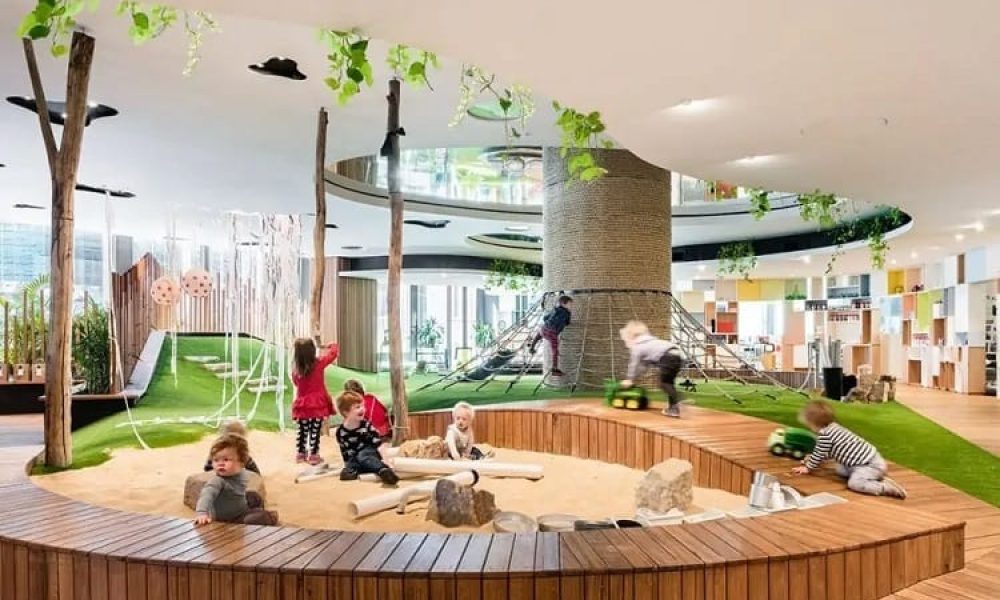
The Importance of Dynamic Indoor Environments
Indoor environments influence children’s growth in more ways than we realize. Thoughtfully designed spaces can foster creativity, improve physical activity, and support emotional well-being. Today’s parenting trends emphasize flexible, functional areas that adapt to kids’ evolving needs. This means moving beyond static designs and focusing on areas where children can learn, explore, and play freely. For example, multi-functional setups allow for greater engagement as children transition between activities like reading, crafting, and active play—all within the same thoughtfully organized space.
Balancing Fun and Functionality in Small Spaces
Making the most of limited space doesn’t mean sacrificing fun for practicality. Parents can maximize every inch by using smart solutions:
- Vertical storage: Shelving that extends upward keeps clutter off the floor.
- Foldable furniture: Items like collapsible desks or stackable chairs offer flexibility without crowding the room.
- Multi-functional play elements: A kids indoor hammock is a great example. It can transform an unused corner into a cozy retreat while keeping floors clear for other activities.
Using clever layouts ensures play areas are both playful and efficient. Combining compact furniture with versatile pieces helps create a functional balance that works for small spaces.
Safety First: Designing Risk-Free Zones
Safety is a top priority when creating indoor play areas. From toddlers to older children, choosing room elements with safety in mind is essential for peace of mind. Consider the following steps:
| Safety Measure | Why It Matters |
| Anchor heavy furniture | Prevent accidental tipping |
| Opt for soft-edged furniture | Avoid injuries from sharp corners |
| Select non-toxic materials | Reduce exposure to harmful chemicals |
| Secure hanging elements | Proper installation prevents accidents |
Even whimsical features like hammocks require careful setup. Ensuring all items are stable and meet safety standards keeps kids protected and allows caregivers to relax.
DIY Projects to Spark Imagination
Budget-friendly DIY ideas can transform children’s spaces into fun zones filled with personality:
- Fabric canopy tents: Drape colorful fabric over a dowel or hula hoop to make an enchanting hideaway for reading or pretend play.
- Wall-mounted art boards: Attach chalkboards or corkboards for a creative station that encourages artistic expression.
- Sensory bins or tables: Fill containers with items like dried rice, water beads, or craft supplies to develop tactile exploration.
Personalize each project to match your child’s interests. Adding reflective touches—like colors, designs, or themes—makes the area uniquely theirs.
Encouraging Unplugged Play Through Design
Screen-free play is easy to encourage with inviting physical setups. Open-ended toys and themed corners spark creativity and reduce reliance on tablets or TVs. Ideas include:
- Building blocks or puzzles to encourage problem-solving
- Themed play corners like “jungle zones” with plush plants and pretend animals
- Interactive elements such as textured rugs or play mats
By incorporating versatile items like hammocks into these spaces, kids can enjoy activities independently. This makes unplugged play more appealing and inspires imaginative adventures.
Long-Term Adaptability for Growing Kids
Children grow quickly, so a room that adapts over time can save effort and money. Designing versatile spaces doesn’t mean starting from scratch—simple updates can keep the area relevant:
- Modular furniture can be reconfigured as needs change.
- Adjustable shelving accommodates books, toys, and supplies as your child ages.
- Neutral bases with interchangeable decor allow for easy theme swaps without major renovations.
Investing in multi-functional pieces ensures that your child’s play space evolves alongside their development. Long-lasting items encourage creative discovery without needing frequent replacements.
Building Memories in Everyday Spaces
Play areas aren’t merely functional spaces—they’re places where lifelong memories begin. By investing in creative designs, you support your child’s growth, imagination, and joy. Watching them explore, laugh, and learn in a thoughtfully crafted space builds stronger family connections and creates moments to treasure.