
In an era where supply chain integrity and product authenticity are paramount, the track-and-trace packaging market is accelerating rapidly—propelled by stringent regulations, rising counterfeiting risks, and consumer demands for transparency. Projections show the market could reach US$ 4.2 billion by 2033, underscoring a projected compound annual growth rate (CAGR) of approximately 5.7% over the coming decade.
Key Market Insights at a Glance
Driven by global anti-counterfeiting efforts, especially in pharmaceuticals, and an increasing push for real-time supply chain visibility, the track-and-trace packaging sector is entering a pivotal growth phase. While regulatory mandates on serialization remain one of the strongest levers, technological innovation—such as blockchain‐backed authentication and IoT-enabled smart sensors—is rapidly transforming the landscape. High implementation costs and data privacy concerns continue to pose challenges, but the rising adoption of AI-powered tracking and cloud platforms is helping firms mitigate these obstacles.
Segment Overview
The market is segmented by printing type, product type, and end-use industries. In printing technologies, digital printing and laser marking are rising in prominence due to their precision and tamper-proof characteristics. Among product types, labels (especially serialized and tamper-evident ones) remain dominant, aided by their flexibility and ease of deployment. RFID and barcode-based systems are increasingly integrated into packaging to support authentication and traceability. On the end-use front, pharmaceuticals continue to lead demand due to intense regulatory scrutiny, but food & beverage, consumer goods, and e-commerce sectors are also rapidly adopting these solutions in response to safety, branding, and recall pressures.
Regional Overview
North America—particularly the United States—remains a frontrunner in market share, backed by robust regulation and advanced technological infrastructure. Europe (especially the UK, France, and Germany) is experiencing strong growth too, driven by serialization mandates and increasing supply chain transparency. In the Asia-Pacific, China and India are emerging as high-growth regions, supported by rising regulatory enforcement, expanding manufacturing capacity, and the growing use of QR codes, RFID, and blockchain in local industries. Meanwhile, South Korea and Japan are leveraging IoT sensors and smart packaging to enhance product traceability and consumer trust.
Competitive Landscape
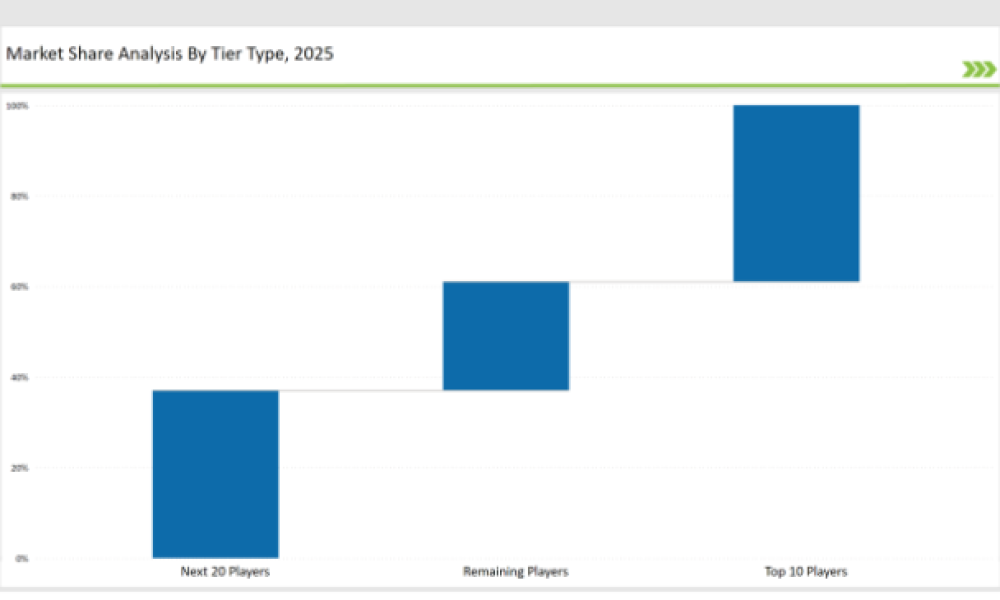
The competitive terrain of the track-and-trace packaging market is moderately concentrated, led by established players with global reach and deep technology portfolios. Key industry names include 3M, Avery Dennison, Zebra Technologies, CCL Industries, UPM Raflatac, Tesa SE, and Schreiner Group. These companies are investing heavily in AI-driven monitoring, encrypted NFC labels, blockchain-based serialization, and highly secure printing methods. Larger firms continue to dominate through scale and innovation, but nimble regional players are gaining traction through cost-effective, flexible solutions tailored to niche markets.
Market Outlook: Powering the Next Decade
As we look ahead to 2033, the track-and-trace packaging market is expected to become a central pillar of global supply-chain resilience. Key growth drivers will include expanding blockchain integration for immutable product provenance, AI-enabled anomaly detection for predictive risk management, and sustainable label technologies that reduce waste. Smart labels equipped with environmental sensors will also emerge, helping companies monitor conditions like temperature and humidity, especially in sensitive industries such as pharmaceuticals and food. The momentum toward cloud-native traceability platforms is set to intensify, enabling real-time, cross-border visibility while supporting ESG (environmental, social, and governance) goals.
Key Players of Sustainable Label Industry
Innovators within the sustainable labeling space are making waves by merging track-and-trace capabilities with eco-friendly materials. Industry leaders like Avery Dennison and UPM Raflatac are at the forefront, developing recycled and biodegradable security labels. Meanwhile, firms such as Tesa SE are pioneering encrypted NFC-enabled tags that not only verify authenticity but also reduce reliance on traditional, less sustainable adhesives and plastics.
Recent Strategic Developments
In recent years, major players have embarked on a flurry of strategic moves. 3M has expanded its blockchain integration across security labels to offer tamper-evident and traceable packaging. Zebra Technologies has introduced AI-driven logistics tracking systems that forecast disruptions and optimize routing. CCL Industries and Schneider Group are collaborating to embed forensic-level printing into serialized labels, adding an extra layer of counterfeit resistance. Across the board, firms are also ramping up partnerships with cloud providers and IoT platform developers—fueling a shift from traditional labeling to dynamic, data-rich packaging ecosystems.
Subscribe for Year-Round Insights → Stay ahead with quarterly and annual data updates: https://www.futuremarketinsights.com/reports/sample/rep-gb-21413
About Future Market Insights (FMI)
Future Market Insights, Inc. (ESOMAR certified, recipient of the Stevie Award, and a member of the Greater New York Chamber of Commerce) offers profound insights into the driving factors that are boosting demand in the market. With a vast team of over 400 analysts worldwide, FMI provides global, regional, and local expertise on diverse domains and industry trends across more than 110 countries.



