
Introduction
Urban living comes with its fair share of challenges—traffic congestion, pollution, high commuting costs, and limited parking. E-bikes have emerged as one of the most effective solutions to these problems, offering a balance of convenience, affordability, and sustainability. From students to professionals, more city dwellers are choosing e-bikes to navigate their daily lives. One of the most versatile options on the market today is the eride pro sr
Avoiding Traffic Congestion
One of the biggest frustrations of city living is traffic. Hours wasted in gridlock affect productivity, mental health, and overall quality of life. E-bikes help riders bypass traffic jams by using bike lanes, side streets, and shortcuts inaccessible to cars. This makes commuting not only faster but also less stressful, transforming the daily grind into a smoother experience. In many cities, average commuting times have been cut nearly in half for e-bike riders, proving their potential to revolutionize urban travel.
Affordable Commuting
E-bikes provide a cost-effective alternative to cars and public transportation. The costs of fuel, insurance, parking, and maintenance for cars can be overwhelming in cities. Public transportation fares add up quickly as well. By contrast, e-bikes require minimal charging costs and low maintenance, offering a far more affordable long-term solution. Some studies suggest that an e-bike rider can save thousands of dollars per year compared to driving a gas-powered car in a dense urban setting.
Eco-Friendly Transport
Cities face increasing pressure to reduce emissions, and e-bikes play a vital role in achieving this goal. They emit no direct pollutants and consume only a fraction of the energy required by cars or motorcycles. As cities adopt stricter sustainability targets, e-bikes become essential allies in building cleaner, greener urban environments. By replacing short car trips with e-bike journeys, individuals can dramatically cut their carbon footprint while improving air quality for their communities.
Health Benefits for City Dwellers
While living in a city often limits access to nature and physical activity, e-bikes encourage residents to stay active. Even with pedal assistance, riders engage their muscles, improve cardiovascular health, and reduce stress. The combination of convenience and fitness makes e-bikes particularly appealing to city dwellers who may otherwise struggle to fit exercise into their daily routines. The mental health benefits are equally important: reduced stress levels, more exposure to fresh air, and the joy of movement all contribute to a healthier lifestyle.
Parking and Space Efficiency
Parking is one of the most pressing challenges in urban centers. With limited space and rising demand, parking fees can be exorbitant. E-bikes eliminate this problem by requiring minimal storage space. They can be parked in bike racks, small garages, or even carried indoors, freeing riders from the stress of parking shortages. This efficiency also allows cities to reclaim valuable land for housing, green spaces, and pedestrian-friendly areas rather than devoting vast areas to parking lots.
Integration with Public Transit
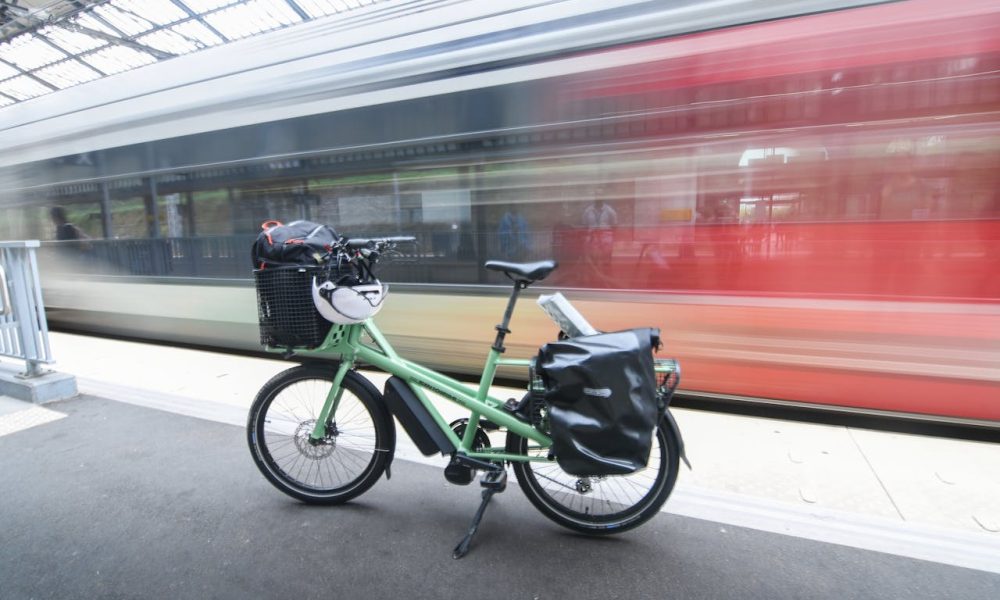
E-bikes work seamlessly with other modes of public transportation, filling the ‘last mile’ gap between transit stations and destinations. Riders can cover long distances by train or bus and then complete their journey on an e-bike. This integration creates a more flexible, multimodal urban transportation system that reduces dependence on private cars. Cities that promote e-bike and transit integration often see increased public transport ridership, as the convenience of completing a journey without relying on a car appeals to more commuters.
Improved Quality of Life
Beyond practicality, e-bikes enhance overall quality of life for city residents. Shorter commutes, lower costs, and improved health contribute to reduced stress levels and greater satisfaction. E-bikes also encourage exploration, allowing riders to discover new neighborhoods and enjoy the vibrancy of urban landscapes without the hassle of car ownership. This sense of freedom and independence is especially valuable for younger generations who prioritize flexibility and sustainability in their lifestyles.
Urban Policy and E-Bike Adoption
Many cities are recognizing the role of e-bikes in creating sustainable futures. Policies supporting bike lanes, subsidies, and incentives for e-bike purchases are accelerating adoption. This momentum reflects a cultural shift toward greener, healthier, and more efficient mobility solutions. For example, Paris has heavily invested in cycling infrastructure, while cities like New York are rolling out new incentives to encourage adoption. These efforts signal a growing recognition of e-bikes as critical components of modern urban transport systems.
Future of E-Bikes in Cities
As technology advances, the role of e-bikes in city living will only grow. Smart features such as GPS integration, theft protection, and connected apps are making e-bikes more appealing than ever. Battery technology is also improving, extending range and reducing charging times. Looking ahead, cities may see entire networks of e-bikes linked with renewable-powered charging hubs, creating a seamless and sustainable urban mobility ecosystem. This future promises even greater accessibility, affordability, and environmental impact.
Conclusion
E-bikes are perfectly suited to the challenges of city living. They save time, money, and space while promoting health and sustainability. As urban populations grow and environmental concerns intensify, e-bikes will continue to play a vital role in shaping the cities of the future. For those seeking a smarter, greener, and more enjoyable way to navigate city life, e-bikes are an ideal choice. The movement toward widespread e-bike adoption is not just a transportation trend—it’s a cultural shift toward healthier, more sustainable living.




