
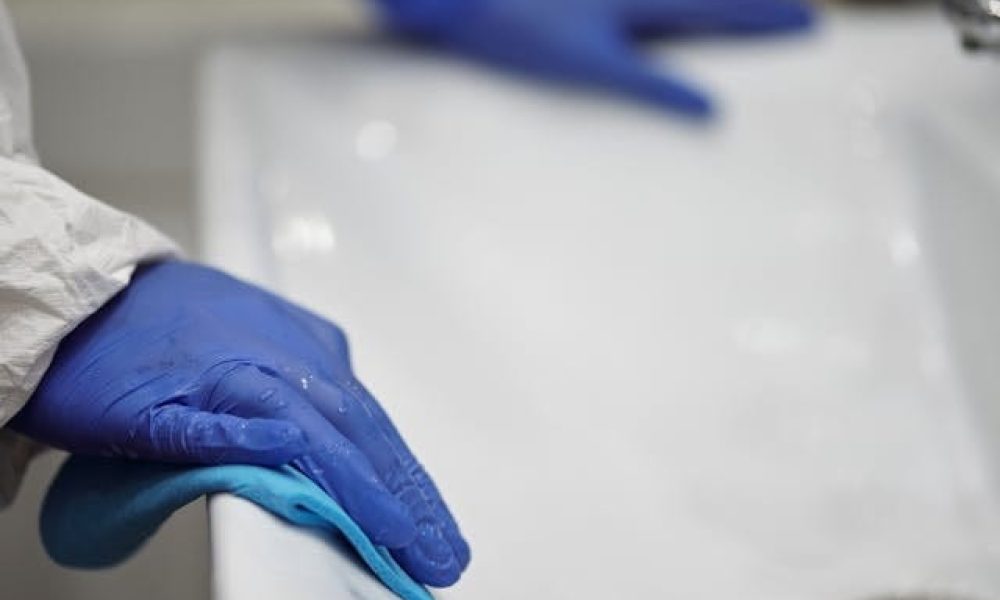
Decontamination projects must always be carefully planned and executed. This is to ensure health and safety regulations are followed at every step of the project, but also so the work can be carried out efficiently and to a high standard. Decontamination projects can also be complex to plan, so it’s helpful to be aware of a few tips that can assist with the process.
So, if you are a business that offers decontamination services for industrial or nuclear facilities, be sure to keep reading for a few tips that should help you plan and execute your projects safely and efficiently. Read on to find out more.
Carry Out An Assessment
First, you must carry out an assessment of the project. You need to visit the site so you can understand the exact extent of the work. Every decontamination project will be different, so you must always visit the site ahead of time to create the best plan for the project using your expertise.
Understand The Requirements
Similarly, you need to understand exactly what the client requires. Communication will be key to success with any decontamination project, so you need to take the time to speak with the client and understand what their needs are from the project. You should then make an effort to keep them updated throughout the project.
Establish & Manage Potential Risks
Obviously, health and safety can be a major concern when it comes to decontamination projects. This is why you must also establish the potential risks and hazards of the project. Once you know the risks and hazards, you can create a plan to remove them or manage them. Keep in mind that every project is different, so you need to carry out new risk assessments each and every time.
Provide Training If Required
Leading on from this, you must make sure that any staff member involved in the project is trained to a high level for the specific project. Decontamination projects can be complex and intricate, so you need to have confidence in your team that they can carry out the work to the required standard.
Consider Using Specialists For Complex Tasks
You’ll find that some decontamination projects require specialist skills and equipment. In situations like this, it’s wise to outsource to a specialist. A good example of this is concrete shaving. Concrete shaving is an excellent way to remove contaminated surfaces from floors, ceilings, and walls. The process involves shaving off layers to leave a polished surface area and can be an effective solution for industrial and nuclear settings. Concrete shaving also reduces waste volume and prevents the spread of contaminated dust with the use of HEPA vacuum technology. You can arrange for concrete shaving from Bluegrass companies to ensure that the work is carried out to a high level.
Use High-Quality PPE
It’s also vital that everyone on site has access to high-quality PPE. It will depend on the type of contaminated material, but this could include respirators, goggles, gloves, and protective clothing. You must ensure that people have access to PPE that fits them properly and that the PPE is worn at all times.
Use Containment Measures
You must make sure that you take steps to prevent the spread of contaminated material to ensure the safety of those in the area. It will depend on the type of contamination that you’re working with, but it can include the use of isolation techniques, enclosures, and barriers. Containment measures can be easy to forget, so you must make these a priority and ensure that there are standardized processes in place for employees involved in the work to follow.
Plan For Proper Disposal
Along with containment, you must also make sure that contaminated material is properly disposed of. This will depend on the type of material you’re working with and the laws and regulations that are in place, which can vary depending on where you’re located. This is why you need to read up on the local laws regarding the disposal of contaminated material in the area where the project is taking place. There can be a large risk in this process when it comes to the handling and transportation of contaminated material, so it’s an area that requires careful consideration.
Test
You must also make sure that you perform tests once the work has been completed to assess the effectiveness of your decontamination efforts. It’s not always obvious to the eye, so you may need to perform sampling and analysis techniques to ensure that your work has been effective.
Keep Records
It’s also vital that you keep records of your decontamination efforts. This is key for compliance with regulations and laws as well as accountability in case there are any issues that arise. Keep records of your assessment findings, the methods of decontamination that were used, and your testing results.
Review & Get Feedback
As with any kind of project work, you should also take the time to reflect once the decontamination work has been completed. You should reflect on what went well and areas where you could improve next time.
In addition to this, you should also ask for feedback from your client. They may be able to offer advice on how you could improve for future projects. Additionally, positive reviews can be useful for improving your brand reputation and finding future work. This is why you should always ask for reviews and put these on your company website and on social media.
Decontamination projects require careful planning and execution. The work you’re carrying out can be dangerous and even a public health concern, so there’s no room for error with this type of work. Hopefully, the advice in this post will be helpful when planning your next decontamination project and help you feel more confident in the planning and execution of the work. These tips will ensure that the work is carried out to a high level, with safety always being a priority through each step of the process.




