
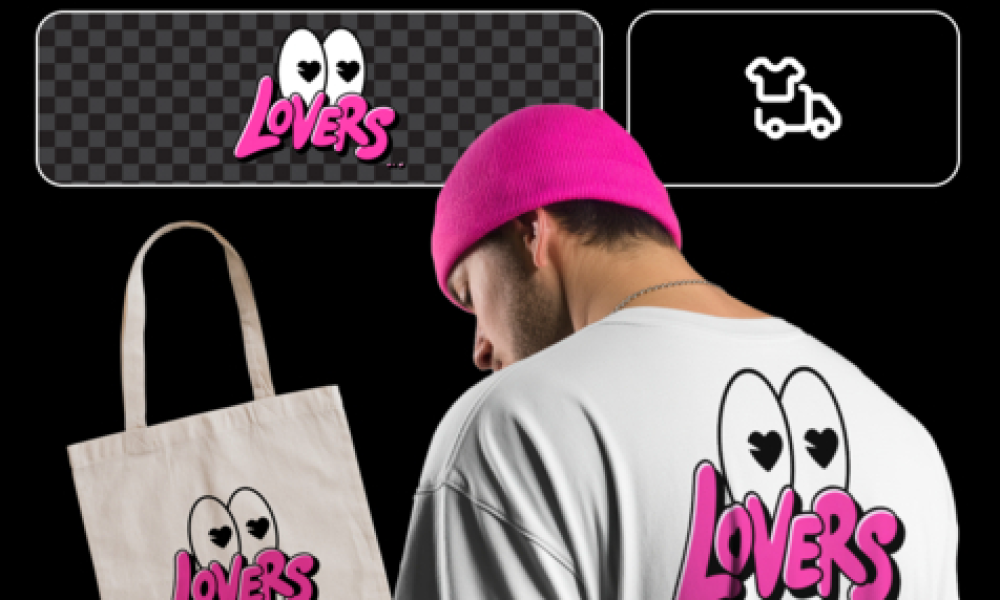
Picsart and Zazzle bridge the gap between digital ideation and physical commerce as the independent creator market eye a trillion dollar valuation
The creator economy is undergoing a fundamental transformation from a landscape of passive content consumption to one of active commercial enterprise. In a strategic move that signals the next phase of this evolution, Picsart, the digital creation platform with over two billion downloads, has entered into a deep integration partnership with Zazzle, a global leader in on demand manufacturing. This collaboration is designed to provide a frictionless pathway for digital artists to transition from pixels to physical goods, effectively turning a global community of over 100 million monthly active users into potential retailers.
The Shift from Content Creation to Content Entrepreneurship
The timing of this integration is significant, coinciding with a notable shift in how digital natives perceive their creative output. Recent data from the 2025 Creator Economy Market Report suggests that the sector, valued at approximately 205 billion dollars in 2024, is on a trajectory to reach 1.3 trillion dollars by 2033. This growth is being fueled by a change in identity: 59 percent of creators now identify as entrepreneurs, a 16 percent increase from the previous year. For these creators, the ability to rapidly prototype and sell physical merchandise is no longer a luxury but a core requirement of their business model.
By embedding Zazzle as the first mini app within the Picsart ecosystem, the companies have removed the traditional barriers to entry for print on demand services. Users can now leverage generative AI tools and automated flows to design products ranging from apparel and home decor to professional marketing collateral, all without leaving the design environment. This seamless transition is particularly appealing to Gen Z, a demographic that comprises over half of the Picsart user base and increasingly demands authenticity and tangible expressions of digital identity.
Democratizing the Manufacturing Supply Chain through AI
Central to this partnership is the role of artificial intelligence in lowering the technical floor for sophisticated design. Picsart has recently expanded its suite of AI assistants and automated workflows, which allow users to generate complex visual assets from simple prompts. When paired with Zazzle’s proprietary real time manufacturing technology, this creates a high speed supply chain for the individual creator.
Hovhannes Avoyan, the founder and CEO of Picsart, notes that the mission is to empower creators to commercialize their creativity at scale. This democratization of the manufacturing process means that an independent artist in a remote market can now access the same quality of production and distribution as a major lifestyle brand. The integration facilitates the creation of a diverse product catalog, including high quality photo prints, custom t shirts, and corporate stationery, allowing for a multifaceted approach to brand building.
The Vibe Design to Print Movement and the New Consumer Psychology
The partnership introduces what the companies call a vibe design to print experience. This concept speaks to a modern consumer psychology where the value of a product is tied to its immediacy and its connection to a specific digital moment or trend. As Jeff Beaver, co founder of Zazzle, observes, the discovery of a digital spark igniting into a physical object that one can hold or wear is a powerful catalyst for engagement.
This momentum is already visible in the data, with Picsart reporting a 110 percent year over year increase in users creating personalized edits on its web platform. The demand for scalable personalization indicates that consumers are moving away from mass produced goods in favor of products that carry personal or cultural significance. By providing the tools to create these items on demand, Picsart and Zazzle are positioning themselves as the primary infrastructure for a more decentralized, creator led retail environment.
Strategic Context and the Future of Content Driven Commerce
The long term implications of this partnership extend beyond simple merchandise. It represents a broader trend where creative platforms are evolving into comprehensive business operating systems. For Picsart, which has spent over 14 years building a toolset for the digital generation, the move into commerce is a logical extension of its role as a creative engine.
As the digital economy continues to prioritize identity and influence as drivers of profitability, the ability to provide a complete creation to commerce solution will likely become the industry standard. This integration is a clear indication that the most successful platforms of the future will be those that not only facilitate the expression of ideas but also provide the physical means to sustain them as viable businesses.



