
Market Overview and Growth Trajectory
The global systemic aspergillosis and systemic candidiasis treatment market demonstrates remarkable expansion, reflecting the growing healthcare burden of invasive fungal infections worldwide. The systemic aspergillosis and systemic candidiasis treatment market was valued at approximately USD 10.5 billion in 2023 and is projected to reach USD 18.7 billion by 2033, growing at a CAGR of 6.0% from 2024 to 2033.
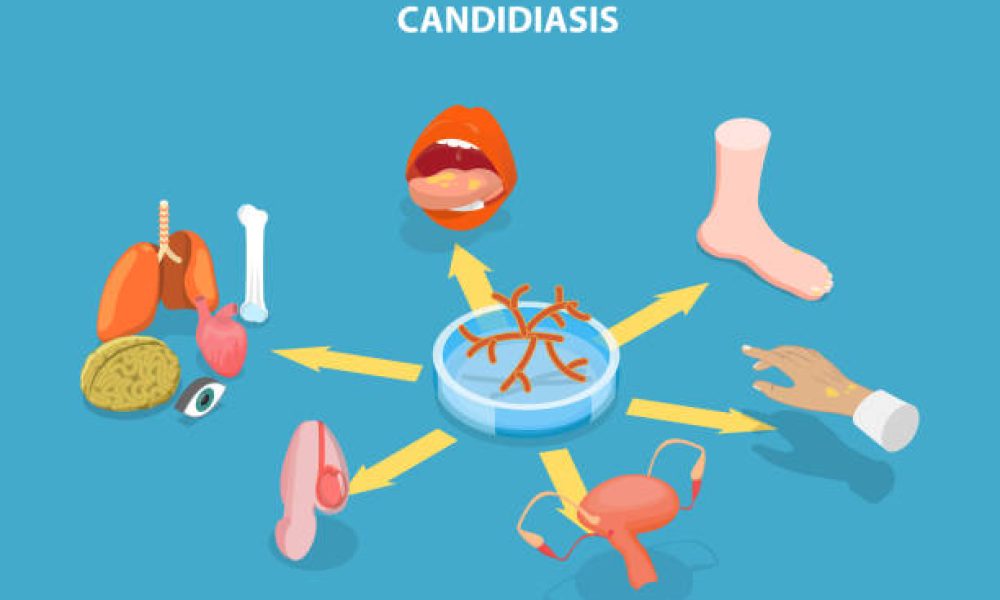
This upward trajectory underscores the critical importance of antifungal therapeutics in modern healthcare systems. The market encompasses treatments for two major invasive fungal infections: aspergillosis, primarily caused by Aspergillus species, and candidiasis, resulting from Candida fungi. Both conditions pose severe health risks, particularly for immunocompromised patients, including those with HIV/AIDS, cancer patients undergoing chemotherapy, organ transplant recipients, and individuals with chronic diseases.
𝐆𝐞𝐭 𝐚 𝐟𝐫𝐞𝐞 𝐬𝐚𝐦𝐩𝐥𝐞 𝐫𝐞𝐩𝐨𝐫𝐭: https://datahorizzonresearch.com/request-sample-pdf/systemic-aspergillosis-and-systemic-candidiasis-treatment-market-4081
Key Market Drivers and Trends
Several factors contribute to the market’s sustained growth momentum. The increasing prevalence of fungal diseases serves as the primary catalyst, with estimates suggesting approximately 6.5 million cases of invasive fungal infections occur annually worldwide, resulting in 3.8 million deaths. The rising number of immunocompromised patients, driven by an aging global population and increased use of immunosuppressive therapies, significantly expands the vulnerable patient demographic.
Healthcare expenditure increases further fuel market expansion. Enhanced diagnostic technologies enable earlier detection and treatment initiation, improving patient outcomes while driving demand for antifungal medications. The growing awareness among healthcare practitioners regarding fungal infections and their potentially fatal consequences has led to more proactive treatment approaches.
Technological advancements in drug delivery systems and the development of novel antifungal agents represent emerging trends shaping the market landscape. Research focuses on creating medications with improved efficacy profiles, reduced toxicity, and enhanced patient compliance. The introduction of once-weekly dosing regimens, exemplified by REZZAYO (rezafungin for injection), demonstrates the industry’s commitment to simplifying treatment protocols while maintaining therapeutic effectiveness.
Market Segmentation Analysis
- By Treatment Type
- Antifungal Agents
- Supportive Therapies
- By Route of Administration
- Intravenous (IV)
- Oral
- Topical/Inhalation
- By Indication
- Systemic Aspergillosis
- Systemic Candidiasis
- By End-User
- Hospitals and Clinics
- Specialty Treatment Centers
- Research Institutes
- Others
Geographic Market Distribution
North America leads the global market, driven by high healthcare expenditure, advanced medical infrastructure, and significant research and development investments. The United States particularly contributes substantial market share due to the high incidence of fungal infections and robust healthcare spending.
Europe maintains a strong market position, supported by well-established healthcare systems and increasing awareness of fungal disease management. The Asia-Pacific region presents the highest growth potential, with rapidly developing healthcare infrastructure and rising disposable incomes contributing to market expansion.
Major Industry Players
The competitive landscape features established pharmaceutical giants alongside innovative biotechnology companies. Leading market participants include Pfizer Inc., Merck & Co., Sanofi, Bayer, Novartis, GSK, F. Hoffmann-La Roche, Abbott, and Gilead Sciences. These companies continuously invest in research and development to expand their antifungal portfolios and address emerging drug resistance challenges.
Recent strategic activities include mergers and acquisitions aimed at strengthening product pipelines. The approval of novel antifungal agents, such as REZZAYO by Cidara Therapeutics and Melinta Therapeutics, demonstrates ongoing innovation in the sector. Companies are particularly focused on developing treatments for drug-resistant fungal strains and improving existing therapeutic options.
Innovation and Pipeline Development
The current therapeutic landscape shows promising developments with multiple drug approvals and robust clinical pipelines. Novel antifungal agents in various stages of clinical development address unmet medical needs, particularly in treating resistant fungal infections. Ibrexafungerp Citrate, currently in Phase III development by Scynexis for systemic candidiasis treatment, exemplifies the ongoing innovation efforts.
Research priorities include developing antifungal agents with novel mechanisms of action, improved safety profiles, and enhanced spectrum of activity. Combination therapies represent another area of significant interest, potentially offering superior efficacy against resistant organisms while minimizing toxicity.
Market Challenges and Opportunities
Despite robust growth prospects, the market faces several challenges. Drug resistance emergence poses ongoing concerns, necessitating continuous development of novel therapeutic approaches. High treatment costs and limited healthcare access in certain regions may constrain market penetration.
However, significant opportunities exist in emerging markets where improving healthcare infrastructure and rising awareness create expansion potential. The development of prophylactic treatments for high-risk patient populations represents another growth avenue. Digital health solutions and telemedicine integration offer possibilities for enhanced patient management and treatment monitoring.
Future Outlook
The systemic aspergillosis and systemic candidiasis treatment market demonstrates strong fundamentals supporting continued growth through 2033 and beyond. Rising fungal infection incidence, expanding immunocompromised patient populations, and ongoing therapeutic innovations create a favorable environment for market expansion.
Key trends expected to shape the future include the emergence of personalized treatment approaches based on individual patient characteristics and pathogen susceptibility profiles. Advanced diagnostic biomarkers enabling earlier detection and treatment optimization will likely drive market evolution. The integration of artificial intelligence and machine learning in treatment decision-making processes may further enhance therapeutic outcomes.
The market’s resilience and growth potential position it as a critical component of the global healthcare landscape, addressing an increasingly important medical need while offering substantial opportunities for stakeholders across the value chain.
𝐋𝐚𝐭𝐞𝐬𝐭 𝐑𝐞𝐩𝐨𝐫𝐭𝐬:
𝐂𝐨𝐦𝐩𝐚𝐧𝐲 𝐍𝐚𝐦𝐞: 𝐃𝐚𝐭𝐚𝐇𝐨𝐫𝐢𝐳𝐳𝐨𝐧 𝐑𝐞𝐬𝐞𝐚𝐫𝐜𝐡
𝐀𝐝𝐝𝐫𝐞𝐬𝐬: 𝐍𝐨𝐫𝐭𝐡 𝐌𝐚𝐬𝐨𝐧 𝐒𝐭𝐫𝐞𝐞𝐭, 𝐅𝐨𝐫𝐭 𝐂𝐨𝐥𝐥𝐢𝐧𝐬,
𝐂𝐨𝐥𝐨𝐫𝐚𝐝𝐨, 𝐔𝐧𝐢𝐭𝐞𝐝 𝐒𝐭𝐚𝐭𝐞𝐬.
Mail: [email protected]
About us:
DataHorizzon is a market research and advisory company that assists organizations across the globe in formulating growth strategies for changing business dynamics. Its offerings include consulting services across enterprises and business insights to make actionable decisions. DHR’s comprehensive research methodology for predicting long-term and sustainable trends in the market facilitates complex decisions for organizations.




