
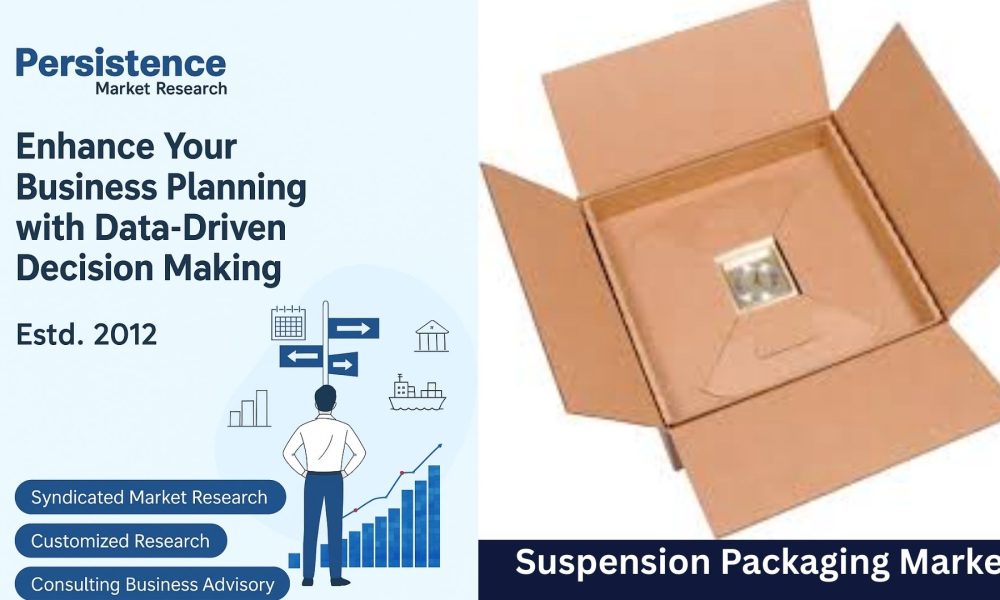
The global suspension packaging market is on the cusp of steady expansion, driven by rising demand for protective packaging solutions across industries such as electronics, automotive, pharmaceuticals, cosmetics, and consumer goods. According to recent estimates, the suspension packaging market size is projected to reach US$66.5 billion by 2033, up from an anticipated US$43.7 billion in 2026, reflecting a compound annual growth rate (CAGR) of 6.2% between 2026 and 2033. This trajectory underlines the expanding role of suspension packaging in modern supply chains and product protection strategies.
Understanding Suspension Packaging
Suspension packaging is a specialized protective packaging system designed to secure delicate, fragile, or high-value products during transport and handling. Unlike conventional cushioning or foam-based systems that absorb shocks externally, suspension packaging cradles the product using a network of support structures — often films, nets, or engineered frames — effectively floating the item within the box. This minimizes contact with the package walls and substantially reduces the risk of damage from vibrations, drops, or compression.
➤ Download Your Free Sample & Explore Key Insights: https://www.persistencemarketresearch.com/samples/17896
Key advantages of suspension packaging include:
- Enhanced protection for high-value items
- Reduction in overall packaging material usage
- Improved product presentation
- Potential cost savings from reduced damages and returns
These benefits are particularly valued in sectors where product integrity is critical and damage translates directly to revenue loss and customer dissatisfaction.
Market Growth Drivers
- Surge in E-commerce and Logistics Demand
The rapid rise of e-commerce platforms has transformed consumer buying behaviors and increased the volume of goods transported across regions. Fragile products — from electronics to luxury goods — are now regularly shipped directly to end users, creating increased demand for advanced protective packaging. Suspension packaging meets this need by offering superior damage prevention while maintaining a lightweight profile that helps control shipping costs.
- Electronics and High-Tech Industry Needs
Electronic devices, medical instruments, and precision components are particularly susceptible to damage from vibration, shock, and static stress. The fast pace of technological innovation has led to shorter product life cycles and greater sensitivity to shipping mishaps. Suspension packaging provides the dual benefit of protection and presentation, making it a preferred choice for high-end smartphones, computer components, and delicate instrumentation.
- Emphasis on Sustainability
Although traditional suspension systems often used foam and other synthetic materials, recent innovations have shifted the market toward more sustainable solutions. Manufacturers are increasingly adopting recyclable and biodegradable materials to meet environmental regulations and consumers’ growing preference for eco-friendly packaging. These sustainable alternatives not only help reduce the environmental footprint but also align with corporate ESG (Environmental, Social, and Governance) initiatives.
Key Trends Shaping the Market
Technological Innovation in Materials
Advances in polymer science and packaging engineering are driving the development of lighter, stronger, and more adaptable suspension packaging materials. Customized suspension systems can now be tailored to specific product dimensions and weight profiles, improving protection while minimizing waste.
Customization and Brand Experience
For many premium brands, packaging is more than protection — it is part of the product experience. Suspension packaging allows brands to showcase products in an aesthetically pleasing way, enhancing unboxing experiences. Custom designs that incorporate brand colors, logos, and messaging are becoming increasingly common, particularly in luxury and consumer electronics segments.
Integration with Automation and Smart Manufacturing
As factories and warehouses modernize with automation and Industry 4.0 practices, packaging solutions must align with automated handling systems and robotic interfaces. Suspension packaging solutions are being engineered to integrate seamlessly with automated production lines, improving throughput and reducing labor costs.
Regional Outlook
The suspension packaging market is expanding globally, with notable momentum in regions experiencing rapid industrialization and growth in consumer goods sectors.
- North America continues to lead due to strong e-commerce penetration, robust manufacturing activity, and advanced logistics infrastructure.
- Europe is driven by stringent product safety regulations and heightened environmental concerns, encouraging sustainable packaging solutions.
- Asia Pacific is expected to be a key growth engine through 2033, propelled by expanding electronics manufacturing hubs, rising disposable incomes, and expanding retail markets in China, India, and Southeast Asia.
- Latin America and the Middle East & Africa are emerging markets where improving supply chain capabilities and increased investment in industrial sectors are stimulating demand.
➤Customize This Report for Your Exact Requirements: https://www.persistencemarketresearch.com/request-customization/17896
Challenges to Adoption
Despite its advantages, suspension packaging faces some hurdles that could temper its potential:
- Higher upfront costs compared to standard cushioning methods can deter smaller manufacturers or cost-sensitive industries.
- Complexity in design and customization may require sophisticated engineering expertise and longer setup times.
- Competition from alternative technologies, such as molded pulp and advanced foam systems, presents ongoing competitive pressure.
Nevertheless, these challenges are mitigated by the long-term cost savings from reduced product damage, improved brand perception, and efficiency gains in transportation.
Future Outlook
With the market projected to grow at a steady 6.2% CAGR from 2026 to 2033, the suspension packaging industry is poised for healthy expansion. Market players that focus on innovation, sustainability, and customization are likely to capture significant market share. Strategic partnerships with major e-commerce players and manufacturers will also be key to unlocking new applications and accelerating adoption.
In a global economy where supply chains are continuously evolving and consumers demand both quality and sustainability, suspension packaging stands out as a resilient and strategic component of modern logistics.




