
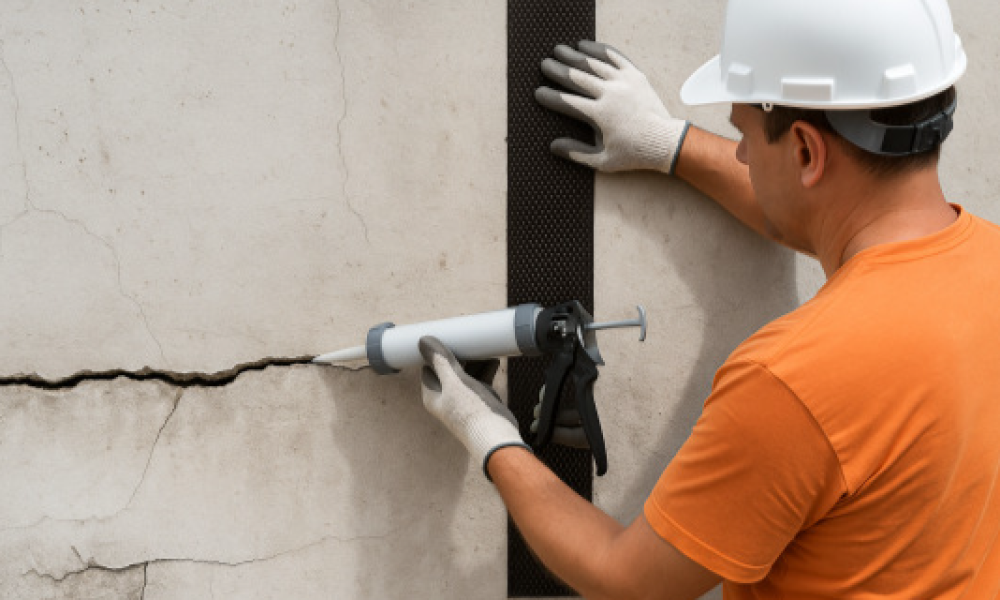
A small crack in a concrete pool may look harmless,but left untreated, it can lead to serious structural failure, water loss, and costly repairs. Whether you’re a homeowner in Houston or managing a commercial property elsewhere, understanding the causes of structural cracks and long-term repair methods is critical to protecting your investment.
In this article, we’ll break down why cracks form, how to distinguish superficial issues from structural ones, and the best repair strategies for durability and safety. We’ll also highlight when it’s time to call a professional pool service Houston for expert guidance.
What Is a Structural Crack?
Structural cracks penetrate through the entire thickness of the pool shell, compromising the integrity of the concrete and potentially leading to leaks, instability, and long-term damage. These differ from surface or shrinkage cracks, which are typically cosmetic.
Common indicators of structural cracks:
Water loss without obvious leaks in plumbing
Cracks that extend through both plaster and concrete
Uneven or spreading crack lines
Rust stains from rebar exposure
Common Causes of Structural Cracks in Pools
1. Soil Movement:
In regions like Houston, expansive clay soil shifts seasonally due to moisture fluctuations. If the ground beneath a pool isn’t properly stabilized, the concrete can crack under stress.
2. Poor Engineering or Construction:
Incorrect rebar placement, insufficient concrete thickness, or lack of expansion joints can all lead to failure. This is often seen in older pools or DIY builds.
3. Improper Drainage:
If groundwater collects around the shell due to poor drainage, hydrostatic pressure can push inward and create cracks,especially if the pool is empty.
4. Seismic Activity or Heavy Loads:
Although rare, small earthquakes or repeated pressure from nearby structures or vehicles can lead to cracking over time.
5. Age and Wear:
Over decades, all pools settle slightly. Without proper resurfacing or regular inspections, small cracks can widen and deepen.
3. Diagnosing the Severity
Not all cracks are dangerous. Some are cosmetic, some are structural. The key is to diagnose early.
Steps to evaluate:
Perform a dye test to check for active water loss
Measure crack width and depth
Look for patterns (e.g., spiderweb vs. straight line)
Assess surrounding soil and deck condition
Pro tip: A certified structural engineer or experienced technician from a licensed pool service Houston company can assess cracks and provide repair specifications.
4. Long-Term Repair Options
The right fix depends on the crack’s cause and severity. Here are the most reliable options:
Epoxy Injection
Best for: Stable, non-moving structural cracks
Process: Epoxy is injected under pressure to bond the concrete back together. This restores strength and prevents leaks but does not address underlying soil movement.
Staple Reinforcement
Best for: Active cracks under stress
Process: Carbon fiber or stainless-steel staples are embedded across the crack to hold both sides in place. Often used with epoxy injection for additional structural support.
Urethane Foam Injection
Best for: Water sealing, not structural integrity
Process: A flexible foam expands to fill voids and stop leaks. Commonly used in combination with structural methods.
Crack Chasing and Hydraulic Cement
Best for: Hairline cracks and surface-level repairs
Process: Cracks are widened slightly, cleaned, and filled with hydraulic cement. This is a temporary fix if movement continues.
Structural Shell Rebuild
Best for: Severe cases or aging pools
Process: Part or all of the pool shell is reconstructed. Expensive but necessary when foundational integrity is lost.
Preventing Future Cracks
Improve soil compaction before any pool installation.
Install proper drainage systems around the shell.
Use flexible sealants in expansion joints to allow movement.
Schedule regular inspections every 3–5 years, especially for older pools.
Avoid leaving pools empty for long periods unless properly braced.
FAQs
Are all pool cracks dangerous?
No. Some are cosmetic and can be repaired easily. Structural cracks, however, must be addressed to prevent major damage.
Can structural cracks be fixed permanently?
Yes, if the root cause is identified and addressed. A combination of epoxy injection and soil stabilization often leads to long-term success.
How much do structural crack repairs cost?
Repairs can range from $500 for basic epoxy injection to $10,000+ for major structural rebuilds, depending on severity.
Can I use a pool with a structural crack?
It depends on the extent. Small cracks may be safe temporarily, but major ones could lead to leakage or collapse. Always consult a professional.
Who should I call for repairs in Houston?
Hire experienced professionals. Trusted pool service Houston companies can assess, repair, and monitor your pool’s condition over time.
Conclusion
Cracks in your concrete pool are not something to ignore. While some may be cosmetic, others signal deeper issues that could jeopardize your pool’s structural integrity. Early detection and professional repair are key to avoiding long-term damage and high costs.
If you suspect a structural issue, don’t delay. Contact a licensed expert in your area,like a seasoned pool service Houston provider,for a thorough inspection and a plan that secures your pool for years to come.