
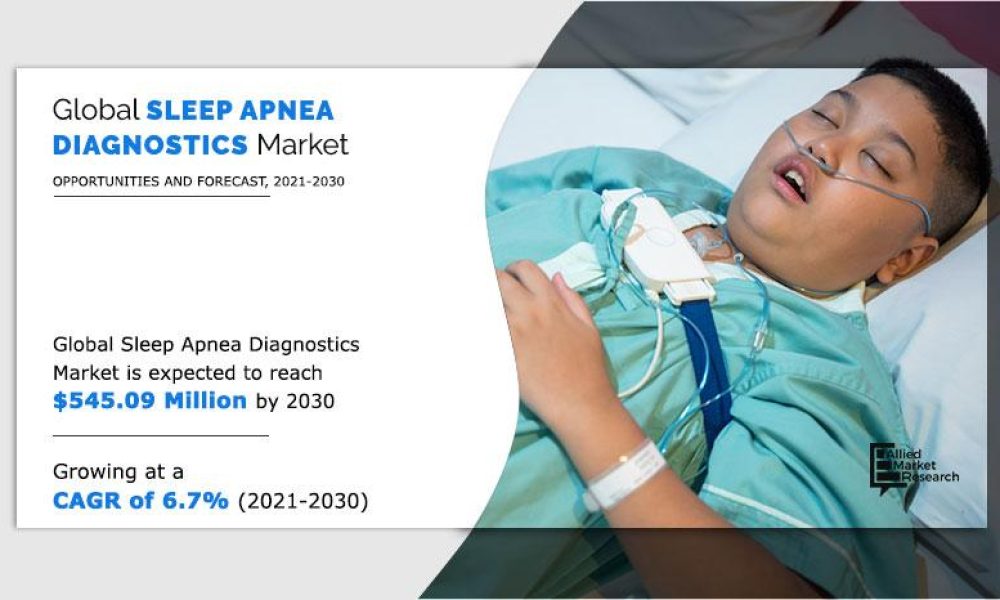
The global sleep apnea diagnostics market is undergoing a significant transformation as rising cases of lifestyle-related disorders, growing awareness about sleep health, and technological innovations reshape its landscape. Valued at $290.5 million in 2020, the market is projected to reach $545.09 million by 2030, growing at a CAGR of 6.7% from 2021 to 2030. With an increasing number of individuals suffering from sleep disorders such as obstructive sleep apnea (OSA), the demand for accurate, timely, and cost-effective diagnostic tools is surging.
Understanding Sleep Apnea and Its Health Implications
Sleep apnea is a potentially serious disorder characterized by repeated pauses in breathing during sleep. These interruptions lead to poor sleep quality and can trigger various health problems, including:
High blood pressure
Heart disease and stroke
Diabetes
Cognitive dysfunction
Daytime fatigue and poor productivity
Obstructive sleep apnea (OSA), the most common form, is typically caused by a blockage in the airway. Physical attributes such as excess body weight, enlarged tonsils, a recessed chin, or a thick neck can increase susceptibility. It is estimated that sleep apnea affects about 25% of men and 10% of women, with higher incidence in individuals over 50 years of age and those who are overweight.
Market Drivers
1. Increasing Prevalence of Lifestyle Disorders
Rising obesity, hypertension, and diabetes—often linked with sedentary lifestyles and unhealthy eating habits—are key contributors to the development of sleep apnea. As the global burden of these conditions grows, so does the demand for early and accurate diagnosis.
2. Shift Work and Stress-Driven Insomnia
Modern work culture, including night shifts, long screen time, and high stress levels, disrupts sleep patterns and increases the risk of sleep apnea. This trend, especially prevalent in urban settings, is expanding the market’s potential customer base.
3. Technological Advancements in Diagnostic Devices
Recent innovations in wearable diagnostics, wireless polysomnography systems, and portable home sleep testing (HST) devices have made sleep apnea diagnosis more accessible and less intrusive. Devices can now track parameters like oxygen saturation, heart rate, respiratory effort, and brain activity in real time, improving diagnostic accuracy and user experience.
Market Restraints
Despite growing demand, several challenges continue to limit market expansion:
High cost of sleep diagnostics equipment and overnight sleep studies.
Lack of awareness, especially in rural and underserved regions, results in underdiagnosis.
Reluctance toward lab-based tests due to inconvenience and discomfort.
However, these obstacles are gradually being addressed through government initiatives, insurance reforms, and educational campaigns promoting sleep health.
Segmentation Analysis
By Product
Polysomnography (PSG) Devices: Dominated the market in 2020 and are projected to continue leading due to their gold-standard status in sleep disorder diagnosis. PSG monitors brain waves, blood oxygen levels, heart rate, breathing, and eye and leg movements during sleep, offering a comprehensive view of a patient’s condition.
Actigraphy Systems: Useful for long-term sleep pattern analysis in home settings, especially for patients with mild or suspected sleep disorders.
Respiratory Polygraphs, Oximeters, and Screening Devices: Offer cost-effective, preliminary diagnosis tools, particularly popular in homecare setups or areas with limited medical infrastructure.
By End User
Hospitals & Sleep Labs: Accounted for the largest market share in 2020 and are expected to maintain dominance. Their access to specialized diagnostic tools, trained personnel, and immediate medical intervention make them a preferred choice.
Homecare Settings: Witnessing significant growth, particularly post-COVID-19, as more patients seek convenience and safety in home-based diagnostics. Portable sleep testing devices are fueling this trend.
Regional Insights
North America
Held the largest share in 2020 due to:
High obesity and diabetes prevalence.
Advanced healthcare infrastructure.
Wide acceptance of home-based diagnostics.
Strong awareness campaigns and healthcare spending.
Europe
Europe follows closely with increased diagnosis rates, government support, and widespread adoption of digital health tools.
Asia-Pacific
Expected to see the fastest growth due to:
A rapidly aging population.
Rising urbanization and stress-related disorders.
Expanding middle class with increased healthcare spending.
Growing medical tourism and government support for telehealth services.
LAMEA
Still an emerging market, but increasing awareness and improving healthcare access are expected to create substantial opportunities in the coming years.
Future Outlook and Opportunities
The global sleep apnea diagnostics market is poised for steady expansion, driven by both unmet medical needs and emerging innovations. Key future opportunities include:
Artificial Intelligence (AI) integration in diagnostics to enhance data interpretation and early detection.
Telemedicine and remote diagnostics, particularly beneficial in remote and underserved regions.
Public-private partnerships to subsidize diagnostic costs and expand healthcare reach in developing nations.
Strategic collaborations between diagnostic device manufacturers and sleep clinics to improve accessibility and affordability.
Key Players in the Market
Several companies are at the forefront of innovation in the sleep apnea diagnostics market, including:
Philips Healthcare
ResMed Inc.
Natus Medical Incorporated
Compumedics Limited
SomnoMed
Itamar Medical Ltd.
BMC Medical Co. Ltd.
These players are focused on expanding their global footprint, introducing user-friendly devices, and investing in AI-based analytics to strengthen their market position.
Conclusion
The global sleep apnea diagnostics market is entering a transformative phase. As awareness about sleep health improves and technology makes diagnostics more accessible, the market is set to witness robust growth over the next decade. Stakeholders, from healthcare providers to medical device innovators, must capitalize on this momentum to deliver patient-centric, cost-effective, and scalable solutions—ensuring better sleep for a healthier world.




