
Introduction to Shrink Plastic Film Market
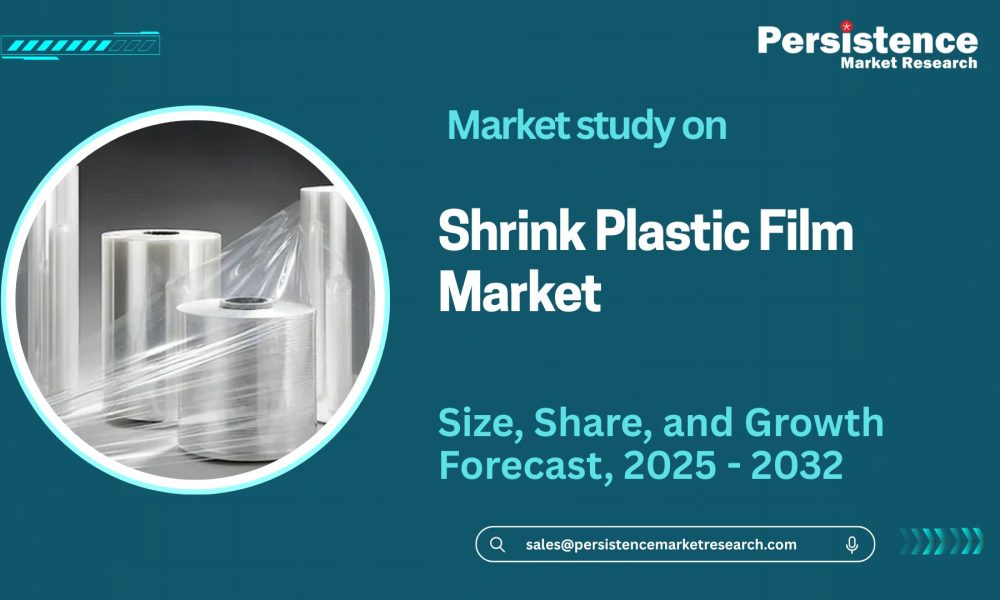
The global packaging industry continues to evolve at a rapid pace, with businesses and consumers demanding efficient, cost-effective, and sustainable solutions. Shrink plastic film has emerged as a key packaging material due to its ability to provide durability, versatility, and enhanced product protection. This type of film contracts tightly around items when heat is applied, ensuring a secure fit and tamper-evident seal. From food and beverages to pharmaceuticals and consumer goods, shrink plastic films are widely used across industries for wrapping, bundling, and labeling purposes.
The demand for shrink plastic films has been further supported by the rise in modern retail, e-commerce penetration, and changing consumer lifestyles that prioritize convenience and safe packaging. Manufacturers are also adopting advanced technologies to improve film quality, sustainability, and recyclability, making shrink films a critical component of global packaging solutions.
According to persistence market research, The global shrink plastic film market size is likely to value at US$ 3.1 Bn in 2025 to US$ 4.1 Bn by 2032, registering a CAGR of 3.9% during the forecast period from 2025 to 2032 driven by the rising prevalence of packaged goods in food and beverages, advancements in packaging technologies, and increasing demand for protective and tamper-evident packaging solutions.
Market Dynamics Driving Growth
- Rising Demand from Food and Beverage Industry
Food and beverage is one of the largest consumers of shrink plastic films due to its requirements for extended shelf life, product safety, and visual appeal. Shrink films provide clear visibility of products while keeping them protected from moisture, dust, and contaminants. With rising global consumption of ready-to-eat meals, frozen foods, and packaged beverages, the need for shrink films is expanding at a steady pace.
- Growing E-commerce and Retail Sector
The rapid shift toward online shopping and organized retail has intensified the demand for reliable packaging. Shrink films are preferred for their ability to securely bundle multiple items, safeguard products during transit, and enhance branding with printed designs. As retail chains and e-commerce platforms continue to flourish, shrink films are becoming indispensable in packaging strategies.
- Increased Focus on Tamper Evident Packaging
With growing concerns about counterfeit and tampered products, industries are prioritizing secure packaging solutions. Shrink plastic films offer tamper-evident seals, which help assure customers about product authenticity and safety. This feature has significantly boosted adoption in pharmaceuticals, cosmetics, and food sectors.
- Advancements in Packaging Technology
Technological improvements in polymer engineering and film processing have made shrink films more durable, lightweight, and customizable. Manufacturers are investing in recyclable and biodegradable variants to cater to the sustainability needs of end-users. High-barrier shrink films are being developed to protect sensitive goods from oxygen, UV light, and microbial contamination.
Market Segmentation Analysis
By Material Type
Shrink films are produced using a variety of materials, each with specific applications and benefits:
- Polyvinyl Chloride PVC: Known for clarity and cost-effectiveness, widely used for small consumer goods and packaging labels.
- Polyethylene PE: Preferred for heavy-duty bundling, beverage multipacks, and industrial applications.
- Polypropylene PP: Offers high clarity and gloss, suitable for display-oriented packaging.
- Biodegradable and Recyclable Films: Emerging rapidly as sustainable alternatives driven by regulatory pressure and consumer preference.
By Thickness
Shrink films are available in multiple thicknesses, ranging from thin films for lightweight packaging to thicker variants for industrial goods. Thin films provide flexibility, while thicker films enhance durability and puncture resistance.
By Application
Shrink films find applications across industries such as:
- Food and beverages for packaging fresh produce, frozen foods, bottled water, and snacks.
- Pharmaceuticals for protecting medicines and medical devices.
- Consumer goods for electronics, toys, and cosmetics.
- Industrial packaging for bundling building materials and automotive components.
By Distribution Channel
Shrink films are distributed through direct sales, distributors, and online platforms. The growing prominence of e-commerce is enabling packaging manufacturers to reach a wider customer base globally.
Regional Insights
- North America
North America is a major market for shrink plastic films, supported by advanced packaging technologies and widespread consumption of packaged goods. The region’s strong e-commerce industry and emphasis on sustainable packaging are influencing product innovations.
- Europe
Europe is witnessing rising demand for recyclable and eco-friendly shrink films due to stringent environmental regulations. Countries such as Germany, France, and the UK are adopting advanced packaging materials to reduce plastic waste and carbon footprint.
- Asia Pacific
Asia Pacific is the fastest-growing market for shrink films, driven by high consumption of packaged food, expanding retail infrastructure, and rapid urbanization. China and India are emerging as key hubs for manufacturing and consumption. The region also benefits from relatively low production costs and growing investments in packaging technology.
- Latin America
Latin America is experiencing gradual growth in the shrink film market as the retail sector expands and packaged food consumption increases. Brazil and Mexico are leading contributors to market demand.
- Middle East and Africa
The Middle East and Africa are seeing increasing adoption of shrink films in beverages and consumer goods, supported by urban growth and rising disposable incomes. However, sustainability awareness is still in its early stages in this region.
Get a Sample Copy of Research Report (Use Corporate Mail id for Quick Response): https://www.persistencemarketresearch.com/samples/12073
Key Trends Shaping the Market
Sustainability and Eco-Friendly Films
Environmental concerns are pushing manufacturers to innovate eco-friendly alternatives. Biodegradable shrink films, recyclable materials, and reduced plastic content are being introduced to align with regulatory norms and consumer expectations.
- Smart Packaging Integration
The adoption of smart packaging technologies such as QR codes, augmented reality, and track-and-trace solutions is influencing shrink film development. These features not only improve product security but also enhance customer engagement.
- Customization and Branding
Brands are leveraging shrink films as a marketing tool by integrating high-quality printing and labeling. Customized packaging improves shelf appeal and strengthens brand identity.
- Cost Efficiency and Light weighting
The packaging industry is constantly under pressure to reduce costs. Shrink films are being engineered to be thinner yet stronger, offering significant cost savings in logistics and transportation.
Competitive Landscape
The global shrink plastic film market is fragmented with the presence of both global and regional players. Key companies are focusing on expanding their product portfolios, investing in sustainable solutions, and adopting mergers and acquisitions to strengthen their market position.
Prominent players in the industry include:
- Berry Global Inc
- Amcor Plc
- Sealed Air Corporation
- Coveris Holdings
- Bollore Group
- Clondalkin Group
- Intertape Polymer Group
- Bemis Company
These companies are adopting strategies such as capacity expansion, collaborations with brand owners, and investments in recyclable material innovations to stay competitive.
Challenges Facing the Market
Despite steady growth, the shrink plastic film market faces several challenges:
- Environmental Regulations: Increasing restrictions on single-use plastics are compelling companies to adopt sustainable alternatives, which can increase production costs.
- Recycling Limitations: The lack of proper recycling infrastructure in many regions hampers efforts to reduce plastic waste.
- Raw Material Price Volatility: Fluctuating prices of petrochemical-based raw materials directly affect profit margins of manufacturers.
- Competition from Alternative Packaging: Paper-based packaging and flexible pouches are emerging as substitutes, especially in markets with strict plastic reduction targets.
Future Outlook
The future of the shrink plastic film market looks promising, with innovations focusing on sustainability, durability, and customization. Key trends expected to shape the industry include:
- Expansion of recyclable and compostable shrink films to meet environmental goals.
- Wider use of shrink films in e-commerce and retail due to continued growth in online shopping.
- Adoption of high-barrier shrink films to protect sensitive products in food, beverages, and pharmaceuticals.
- Increased collaboration between packaging manufacturers and brand owners to develop eco-conscious packaging solutions.
By 2032, the industry is expected to achieve greater balance between performance, sustainability, and affordability. Manufacturers that can deliver high-quality films with minimal environmental impact will likely dominate the competitive landscape.
Conclusion
The global shrink plastic film market is undergoing significant transformation, shaped by rising demand for secure packaging, technological advancements, and sustainability imperatives. Food and beverages, pharmaceuticals, and consumer goods remain the key industries driving growth. While environmental concerns and regulatory challenges persist, innovation in recyclable and biodegradable films offers a pathway to sustainable progress.
As businesses and consumers continue to prioritize safety, convenience, and eco-friendliness, shrink plastic films will remain an integral part of modern packaging solutions worldwide.




