
Understanding the Shore Power Market: A Comprehensive Overview
The global maritime industry is undergoing a major transformation as it embraces sustainable technologies that reduce pollution and improve operational efficiency. Among these developments, the shore power market has emerged as a critical solution to curbing emissions from ships at berth. Often referred to as cold ironing or onshore power supply (OPS), shore power enables docked vessels to shut down their diesel auxiliary engines and draw electricity directly from shore-based grids. This transition plays a key role in minimizing greenhouse gas emissions, improving air quality in port cities, and aligning with global decarbonization goals.
What Is Shore Power? Definition & Significance
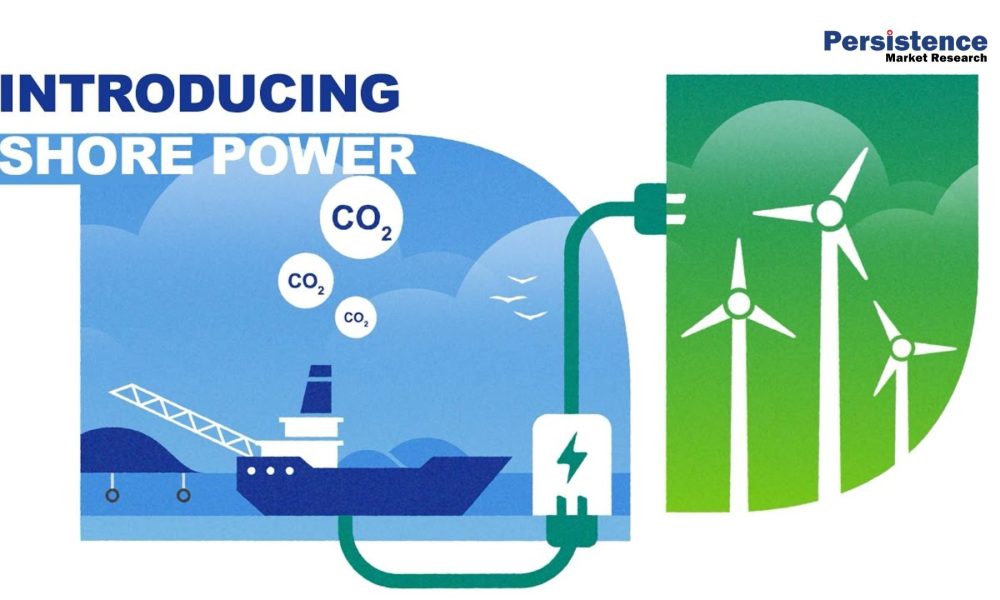
Shore power refers to the infrastructure that supplies electrical power from the land to ships when they are berthed at ports. Traditionally, ships rely on onboard diesel generators to run essential systems—such as lighting, heating, ventilation, and refrigeration—while docked. These diesel generators emit significant amounts of carbon dioxide (CO₂), sulfur oxides (SOx), nitrogen oxides (NOx), and particulate matter, contributing to air pollution and health risks for communities near ports.
By connecting to shore power, vessels can turn off polluting engines and operate on cleaner, often grid-sourced electricity. This switch not only reduces local emissions but also supports broader environmental policies, especially in regions striving for carbon neutrality. The importance of shore power has grown significantly in recent years due to stringent International Maritime Organization (IMO) regulations and regional mandates from the European Union (EU) and other authorities.
Get Your FREE Sample Report Instantly – Click Now: https://www.persistencemarketresearch.com/samples/35927
Market Size & Growth Outlook
According to industry research, the shore power market is projected to grow rapidly over the coming decade. In 2025, the market is estimated to be valued at approximately US$2.2 billion, with forecasts suggesting it could reach US$5.1 billion by 2032, reflecting a solid Compound Annual Growth Rate (CAGR) of around 13.2% during the forecast period. This growth trajectory highlights the increasing adoption of shore power solutions across major global ports and maritime hubs.
Such expansion is driven by multiple factors, including environmental regulations, port electrification initiatives, rising environmental compliance costs for vessel operators, and a strategic shift from voluntary green efforts to regulatory mandates in key markets.
Key Market Drivers
- Regulatory Pressure & Emission Policies
Environmental regulations serve as one of the most influential drivers of the shore power market. Bodies such as the IMO have implemented strict emission reduction targets, compelling ports and shipping companies to transition to cleaner power sources. In the European Union, regulations like FuelEU Maritime and other decarbonization policies require significant reduction of at-berth emissions, incentivizing adoption of OPS infrastructure.
In North America, state and federal guidelines—such as those developed by the U.S. Environmental Protection Agency (EPA) and the California Air Resources Board (CARB)—also push ports to deploy shore power systems, particularly in regions with dense port populations where air quality concerns are prominent.
- Economic & Sustainability Benefits
Beyond regulatory requirements, shore power delivers considerable economic and sustainability benefits. By using grid electricity—especially when generated from low-carbon sources like renewables—ship operators can significantly reduce fuel consumption and overall operational costs. This contributes to energy efficiency and long-term cost savings. Shore power also enhances the brand reputation of ports and shipping companies by supporting environmental, social, and governance (ESG) goals.
- Technological Advancements
Technology innovation plays a critical role in advancing the shore power market. Cutting-edge solutions such as advanced frequency converters, modular power systems, digital grid management, and smart connectivity equipment are helping ports handle technical complexities associated with electrifying port infrastructure. These technologies also facilitate compatibility across different grid frequencies and vessel power requirements.
Standardization efforts such as IEC/ISO/IEEE 80005 help streamline global implementation by ensuring compatibility and safety across diverse networks and vessels. Standardization reduces retrofit costs and encourages broader adoption.
Get a Customized Market View in One Click: https://www.persistencemarketresearch.com/request-customization/35927
Segment Insights
By Component
The shore power market comprises several components, including transformers, switchgears, frequency converters, cables and accessories, control panels, and connectors. Among these, frequency converters are expected to command the largest revenue share due to their essential role in matching grid and shipboard electrical frequencies. Meanwhile, cables and connectivity equipment are among the fastest-growing segments, driven by demand from expanding multi-berth installations.
By Installation Type
Shore power installations are typically categorized into shoreside and shipside systems. Shoreside installations—where power infrastructure is built on land—dominate the market due to cost effectiveness and easier grid integration, accounting for a significant majority of revenue. However, the shipside segment is gaining traction, especially with increasing retrofits and newbuild vessels designed with shore power compatibility.
By Power Rating
The market also segments by power rating, such as systems up to 30 MVA, from 30 to 60 MVA, and those above 60 MVA. The mid-capacity category (up to 30 MVA) continues to lead due to suitability for most container and cruise vessels, while higher-capacity systems (above 60 MVA) are the fastest-growing as ports prepare for ultra-large container ships.
Regional Market Dynamics
Asia Pacific
Asia Pacific stands out as the largest regional market, accounting for nearly 43% of global shore power activity in 2025. China is the region’s key driver, supported by extensive port infrastructure and government initiatives targeting emission reductions. The region also includes emerging markets like India, Vietnam, and Indonesia, which are planning significant OPS rollouts.
North America
North America’s shore power market is influenced by advanced port infrastructures and strict air quality standards. The United States leads with major deployment at West Coast ports. However, grid capacity constraints and project costs remain challenges that could moderate growth beyond 2026.
Europe
Europe’s market growth is accelerated by robust environmental regulation and coordinated port electrification strategies. However, some European ports are struggling to meet the 2030 shore power installation deadlines required under EU rules, suggesting a mixed pace of adoption.
Competitive Landscape
The shore power market features a blend of global leaders and specialized regional players. Major companies include ABB, Siemens AG, Schneider Electric SE, General Electric Company, Wärtsilä Corporation, and Cavotec Group AB. These firms leverage advanced technologies and strong supply chains to maintain market share, but the industry still offers opportunities for regional innovators and partnerships.
Collaboration models—such as Infrastructure-as-a-Service (IaaS) and port consortiums—are also emerging, enabling smaller ports to share deployment costs and accelerate electrification.
For In-Depth Competitive Analysis, Buy Now: https://www.persistencemarketresearch.com/checkout/35927
Future Outlook
The future of the shore power market is promising. As environmental mandates tighten and port electrification gains momentum, demand for OPS solutions will continue to grow. Technological innovations, regulatory frameworks, and investment models will be key drivers shaping the market’s trajectory through 2032 and beyond.
The shore power market is at a pivotal moment in its evolution, driven by global decarbonization initiatives, economic incentives, and technological advancements. The transition from diesel-dependent berths to cleaner, grid-based power systems represents a significant step toward sustainable maritime operations. With continued investment and expansion, shore power is poised to become a standard feature of future port infrastructure worldwide.




