
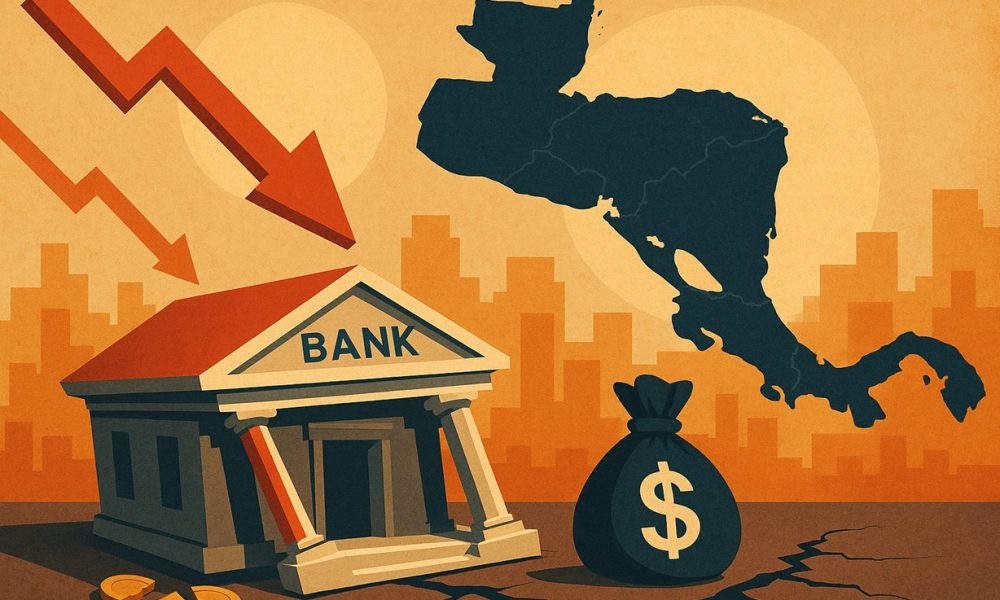
Central America’s retail banking sector has experienced repeated crises that reflect systemic vulnerabilities and significant challenges in the region’s economic structures and regulatory frameworks. Analyzing the root causes, exploring the broader economic and social consequences, reviewing the policy measures undertaken, and reflecting on future implications are essential steps to ensure long-term financial stability in Central America.
Causes of Retail Banking Crises
Retail banking crises in Central America are frequently triggered by macroeconomic instability, inadequate regulatory oversight, and structural weaknesses inherent in domestic financial systems. Persistent macroeconomic instability characterized by inflation volatility, exchange rate fluctuations, and fiscal imbalances often creates an environment ripe for banking distress. The dependence of Central American economies on volatile export commodities and remittances exacerbates vulnerabilities, as external shocks rapidly translate into liquidity pressures within banks.
Weak governance structures within banking institutions and insufficient regulatory frameworks have further amplified the frequency and severity of crises. Central American banking sectors often suffer from inadequate capital buffers, weak risk management practices, and high concentrations of lending in particular sectors such as real estate or agriculture, thus heightening systemic risks. Moreover, political interference, corruption, and insufficient autonomy of financial regulators undermine confidence in the banking system and hinder prompt corrective actions during periods of financial distress.
Consequences of Banking Crises
Retail banking crises in Central America have profound economic and social consequences. The immediate economic repercussions typically include bank failures, erosion of depositor confidence, significant credit crunches, and disruptions in payment systems. In severe cases, such crises can lead to substantial GDP contraction, as credit shortages choke off productive investment and consumption activities, resulting in increased unemployment and deteriorating living standards.
Socially, banking crises exacerbate inequality and poverty, disproportionately affecting vulnerable populations dependent on retail banking services for savings, remittances, and small-scale credit. Households and small enterprises, often lacking alternative financial access, suffer immense setbacks, stifling entrepreneurship and amplifying social instability. The cumulative effect can intensify migration pressures as affected populations seek stability abroad, exacerbating demographic challenges in the region.
Policy Responses to Banking Crises
Policy responses to banking crises in Central America have generally involved emergency liquidity support, bank recapitalizations, regulatory reforms, and international collaboration. Central banks and governments have often intervened swiftly to provide liquidity support to troubled institutions, aiming to stabilize depositor confidence and prevent bank runs. Additionally, direct bank recapitalizations and government guarantees of deposits have been used to restore solvency and credibility in the short term.
Regulatory reforms, meanwhile, have included strengthening supervisory oversight, adopting international prudential standards such as Basel III norms, and enhancing transparency and governance frameworks. Central American regulators, recognizing the need for robust preventive measures, have progressively tightened capital requirements, implemented stress-testing protocols, and improved early-warning systems.
International collaboration and financial assistance, notably from institutions such as the International Monetary Fund (IMF) and the Inter-American Development Bank (IDB), have played critical roles. Conditional financial support has typically been linked to comprehensive structural reforms, driving systemic improvements and mitigating vulnerabilities in banking sectors across the region.
Future Implications for Financial Stability
Despite progress, Central America’s retail banking sector remains susceptible to future crises due to persistent structural vulnerabilities, political uncertainties, and external economic shocks. Long-term financial stability demands sustained commitment to institutional strengthening, effective governance, and deeper financial integration both regionally and internationally.
Governments must focus on fostering macroeconomic stability by maintaining disciplined fiscal policies, pursuing economic diversification, and reducing exposure to volatile external shocks. Strengthening regulatory independence, enhancing transparency, and combating corruption are imperative for restoring confidence in banking institutions and preventing political interference from compromising regulatory integrity.
Enhanced financial inclusion strategies, emphasizing digital banking and financial literacy, can mitigate the disproportionate impact of future crises on vulnerable populations. Innovations in fintech, if carefully regulated, offer significant potential to diversify risk, broaden financial access, and bolster resilience in Central America’s retail banking sector.
Regional cooperation initiatives can significantly enhance crisis preparedness and response capabilities. Enhanced collaboration among Central American financial regulators, coupled with proactive engagement with international financial institutions, can build institutional capacities, harmonize regulatory standards, and establish robust crisis management frameworks.
Looking Ahead for Regional Bank Readiness
In conclusion, comprehensively addressing the root causes of retail banking crises through systemic reforms, vigilant regulatory oversight, macroeconomic discipline, and strategic international cooperation is vital. The future stability of Central America’s financial system depends fundamentally on sustained efforts toward structural resilience, effective governance, and inclusive financial sector development. Only then can the region confidently navigate future financial shocks, ensuring sustainable economic growth and improved social outcomes for its citizens.



