Global Renewable Energy Storage Market reached US$ 949.9 Million in 2023 and is expected to reach US$ 2,253.0 Million by 2031, growing with a CAGR of 11.4% during the forecast period 2024-2031.
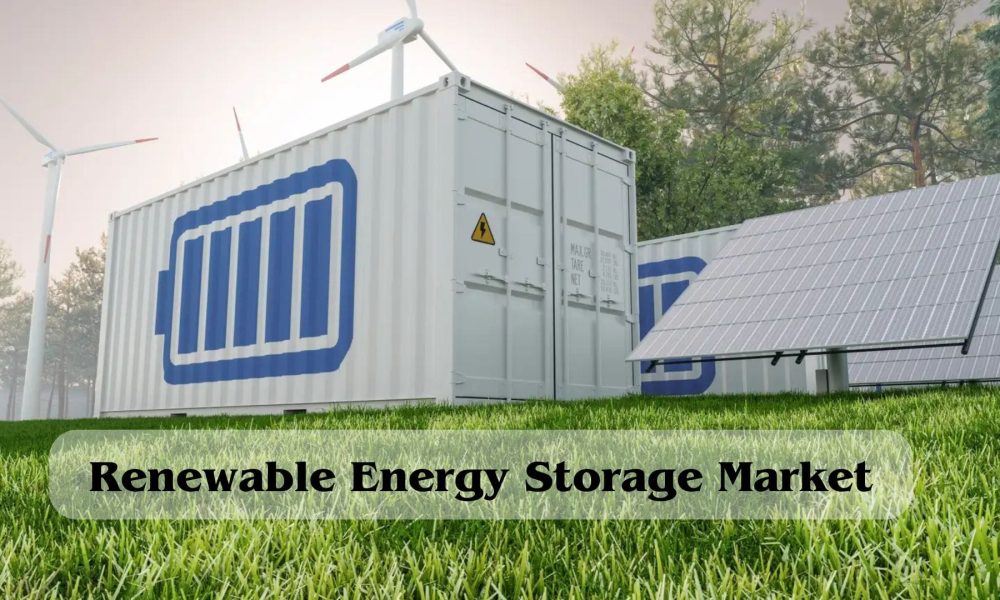
Renewable energy storage refers to technologies and systems designed to capture and store energy generated from renewable sources—such as solar, wind, and hydropower—for later use when production is low or demand is high. This includes various methods like battery storage, pumped hydro, compressed air energy storage, and thermal storage, which are integral to maintaining grid stability and ensuring a continuous, reliable energy supply.
The global renewable energy storage market is rapidly expanding, driven by the accelerating adoption of renewable energy, ongoing grid modernization efforts, and strong governmental support for sustainable energy initiatives. With the declining costs of battery technologies and increasing investments in energy infrastructure, storage solutions have become a critical component in balancing supply and demand, reducing energy waste, and enhancing system reliability. The market is witnessing significant growth as utilities, businesses, and governments seek to integrate higher levels of intermittent renewable energy into power grids, paving the way for a cleaner, more resilient energy future.
Download Free Sample PDF: https://www.datamintelligence.com/download-sample/renewable-energy-storage-market
Market Growth Drivers:
Integration of Renewable Energy Sources
Renewable energy sources like solar and wind are naturally intermittent, as their output fluctuates with the weather and time of day. Energy storage technologies address this variability by capturing excess electricity during periods of high generation and releasing it when demand surpasses supply. This capability enhances the reliability and appeal of renewable energy systems for both end-users and grid operators by stabilizing the grid, reducing peak loads, and optimizing supply-demand patterns. By seamlessly integrating energy storage with renewables, systems can quickly adapt to changes in energy output or sudden shifts in power demand, thereby maximizing the efficiency of clean energy utilization without reliance on fossil-fuel backup power.
Advancements in Energy Storage Technologies
Recent technological breakthroughs have led to significant improvements in energy storage, notably by increasing energy densities and enabling more compact storage solutions. This is particularly vital in space-constrained environments, such as residential settings or electric vehicles, where system design flexibility is essential. Modern energy storage devices now boast faster charging and discharging capabilities, lower self-discharge rates, and higher round-trip efficiencies, making them more reliable, responsive, and cost-effective. Enhanced battery chemistries and manufacturing techniques have extended the lifespan of these devices by allowing for more charge-discharge cycles with minimal degradation, while economies of scale have driven down the cost per kilowatt-hour, further boosting the economic attractiveness of renewable energy storage projects.
Challenges of High Initial Costs
Despite these advancements, the high upfront costs associated with renewable energy storage systems remain a significant barrier. The substantial capital required for advanced machinery, cleanroom facilities, and high-resolution imaging systems, along with the need for a highly skilled workforce, can deter investors, utilities, and project developers. Additionally, the lengthy return on investment and uncertainty regarding future revenue streams contribute to risk aversion among financiers. In contrast to fossil fuels, which benefit from established infrastructure and lower initial costs, renewable energy storage faces stiff competition on economic grounds. This financial hurdle limits accessibility for small-scale and household applications, ultimately hindering widespread adoption and market penetration.
Market Segments:
By Type: Wind Power, Hydroelectric Power, Solar Power, Bio Energy, Others.
By Technology: Battery Storage, Pumped Hydro Storage, Flywheel Energy Storage, Thermal Storage, Others.
By End-User: Residential, Industrial, Commercial.
By Region: North America, Europe, South America, Asia Pacific, Middle East, and Africa.
Competitive Landscape
- Delta Electronics, Inc
- General Electric Company
- Hitachi, Ltd.
- Siemens Energy
- Tesla, Inc.
- Toshiba Corporation
- Trina Solar Co., Ltd.
- ABB Ltd.
- EVLO Energy Storage Inc.
- NEC Corporation
Customize Your Scope: https://www.datamintelligence.com/customize/renewable-energy-storage-market
Regional Growth
Europe is Dominating the Renewable Energy Storage Market
Europe is at the forefront of the renewable energy storage market, driven by its goals of achieving energy independence, maximizing renewable energy use, and reducing greenhouse gas emissions. These ambitions are supported by strict renewable energy laws and ambitious targets set forth in programs like the Renewable Energy Directive and the European Green Deal. By effectively integrating intermittent renewable sources such as hydropower and wind, Europe has made significant progress in diversifying its energy mix. Energy storage systems play a crucial role in this transition by regulating fluctuating energy supplies, maintaining grid stability, and optimizing energy consumption.
Advanced energy storage technologies are transforming Europe’s energy landscape through innovations in thermal storage, battery storage, pumped hydro storage, and hydrogen storage. Backed by robust financial incentives and extensive research and development initiatives, these technologies are paving the way for more flexible and resilient energy networks. Energy storage solutions are not only essential for grid services like demand response, voltage support, peak shaving, and frequency management but are also helping to reshape the continent’s overall energy strategy. According to InnoEnergy, Europe’s share in the renewable energy storage market is projected to rise from 39% in 2022 to approximately 69% by 2031, underscoring the region’s leadership in the global energy transition.
Key Development:
On March 19, 2024, Goodenough Energy unveiled India’s first battery energy storage gigafactory in Jammu and Kashmir, with operations expected to commence by October. The facility is set to boost its capacity to 20 GWh by 2027. In a parallel effort to drive renewable energy expansion, India has established an ambitious target of achieving 500 GW of renewable energy capacity by 2031. This goal is supported by US$452 million in incentives designed to accelerate the nation’s transition to clean energy.
For Detailed Report: https://www.datamintelligence.com/enquiry/renewable-energy-storage-market




