
Definition
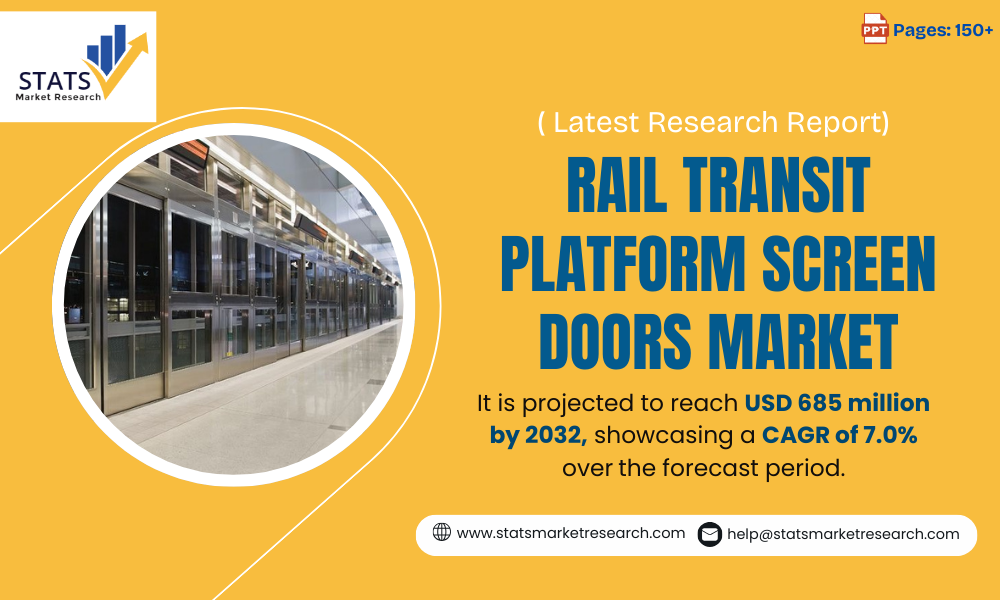
Rail transit platform screen doors (PSDs) are critical safety and operational infrastructure systems installed at train stations to physically separate passenger platforms from train tracks. These doors prevent accidental falls, improve climate control, and contribute to energy efficiency in metro systems, light rail networks, and tram stations.
Key Types of Platform Screen Doors:
- Full-Height Enclosed Systems: Extend from platform floor to ceiling, often integrated with automatic sliding doors and glass barriers. They offer maximum safety, climate control, and noise reduction.
- Semi-Enclosed Designs: Provide partial coverage, usually reaching 1.2-1.5 meters, balancing safety and cost-effectiveness.
- Partial Height Barriers: Short barriers for lower-risk areas or cost-sensitive installations.
PSDs also integrate with smart station systems, including automated door synchronization, emergency overrides, digital displays, and passenger flow management, which align with modern smart city initiatives. They have become indispensable in urban rail infrastructure due to increasing passenger volumes, safety regulations, and urbanization trends.
Recent Developments in the Rail Transit Platform Screen Doors Market
The rail transit platform screen doors (PSD) market is rapidly evolving, driven by the integration of advanced technology to enhance safety and efficiency. A key development is the move toward “smart” PSDs, which incorporate AI and machine learning for predictive maintenance, real-time monitoring, and improved fault detection. This allows transit authorities to address potential issues before they cause service disruptions. Additionally, new designs are focused on creating a better passenger experience, with features such as integrated digital information displays, dynamic lighting, and enhanced accessibility for people with disabilities. The growing trend of fully automated metro and light rail systems is also a major catalyst, as PSDs are an essential safety and operational component of driverless trains, ensuring perfect door alignment and preventing accidents.
Major Distribution Channels
The distribution of rail transit platform screen doors is primarily a business-to-business (B2B) model, centered on large-scale infrastructure projects. The most significant channel is direct sales from manufacturers to government-owned transit authorities and major railway operators. These are high-value, long-term contracts for both the construction of new lines and the retrofitting of existing ones. Another crucial channel involves engineering and construction firms, which are contracted to build the rail systems and, in turn, procure the PSDs from manufacturers as a part of a larger project. Finally, a network of specialized distributors and system integrators play a vital role in providing end-to-end solutions, offering technical expertise, installation services, and seamless integration with the broader railway signaling and control systems.
Market Size
Global Rail Transit Platform Screen Doors market was valued at USD 432 million in 2024 and is projected to grow from USD 462 million in 2025 to USD 685 million by 2032, representing a CAGR of 7.0% during the forecast period.
Download FREE Sample of this Report @ https://www.statsmarketresearch.com/download-free-sample/8061227/global-rail-transit-platform-screen-doors-forecast-market
Growth Drivers & Trends:
- Rapid urbanization, particularly in Asia-Pacific, with China leading over 10,287 km of operational urban rail lines as of 2022.
- Expanding metro networks in India, Southeast Asia, and Africa driving demand for new PSD installations.
- Technological improvements in automated sliding doors, synchronization systems, and emergency overrides increasing operational efficiency.
Real-World Examples:
- Implementation of PSDs at New York City’s L train stations reduced platform-related incidents by 89% within the first two years.
- London Underground’s retrofitting projects have invested over USD 150 million in platform door systems for passenger safety compliance.
The market trajectory reflects increasing safety mandates, smart station integration, and infrastructure investments, particularly in emerging economies, offering significant long-term growth opportunities.
Market Dynamics
Market Drivers
Rapid Urbanization and Expanding Rail Networks
- Over 60% of the global population projected to live in urban areas by 2030, fueling metro infrastructure expansion.
- Safety benefits make PSDs essential for modern transit systems, especially in high-density stations.
- China alone accounted for 26.2% of global urban rail transit mileage in 2022, setting a strong precedent for PSD adoption.
Stringent Safety Regulations in Developed Markets
- Governments mandate PSD installation in new and retrofitted stations.
- EU rail safety directives and Japan’s long-standing requirements exemplify regulatory enforcement.
- PSD integration aligns with energy efficiency goals and passenger flow optimization.
Technological Advancements
- Smart door systems now include improved sensors, automated sliding mechanisms, and IoT connectivity.
- Integration with smart city platforms allows PSDs to perform multi-functional roles such as digital displays, passenger counting, and emergency management.
Market Restraints
High Capital and Maintenance Costs
- Installation costs average USD 1.5–2 million per platform for retrofitting, with new station additions increasing total costs by 10–15%.
- Budget constraints in legacy transit systems slow adoption.
Operational Complexity
- Integration with multiple rolling stock types with varying door configurations presents technical challenges.
- Synchronization issues can cause delays or operational failures, requiring sophisticated system designs.
Space Constraints
- Older stations may lack platform depth for full-height doors without compromising passenger flow, especially in high-traffic locations.
Market Challenges
Technology Integration & System Reliability
- Flawless coordination between train arrival, door mechanisms, and control systems is critical.
- Outdoor installations face extreme weather challenges, requiring durable materials and temperature-resistant designs.
- Fault-tolerant and fail-safe system designs remain a priority to avoid operational disruptions.
Market Opportunities
Smart City Initiatives
- PSDs evolving into multi-functional platforms integrated with digital displays, IoT-based station management, and passenger counting systems.
- Asia-Pacific smart city investments are expected to exceed USD 100 billion annually by 2025, offering PSD manufacturers significant growth potential.
Expanding Light Rail & Metro Networks in Emerging Economies
- India aims to expand its metro network to over 5,000 km by 2040.
- Southeast Asia, Africa, and South America are also making greenfield investments, creating standardized PSD opportunities and economies of scale.
Segment Analysis
By Type
- Full-Closed Type (leads due to high safety demand in metro systems)
- Subtypes: Automatic sliding doors, glass barriers with integrated HVAC systems
- Semi-Closed Type
- Half Height Type
By Application
- Metro Systems (dominates due to rapid urbanization and safety requirements)
- Light Rail Vehicles
- Open-Air Tram Stations
- Bus Rapid Transit Systems
By Technology
- Automated Sliding Doors (strong growth due to smart city integration)
- Platform Edge Doors
- Mechanical Gates
Get the Complete Report & TOC @ https://www.statsmarketresearch.com/global-rail-transit-platform-screen-doors-forecast-market-8061227
Regional Analysis
- Asia-Pacific: Largest market, led by China’s extensive metro expansion and smart city investments.
- North America: Steady growth in metro and light rail networks; retrofitting legacy stations.
- Europe: Strong adoption due to strict safety directives and urban modernization projects.
- Middle East & Africa: Emerging growth in transit safety infrastructure and new rail systems.
- Latin America: Gradual adoption aligned with urban mobility expansion projects.
Competitor Analysis
The rail transit PSD market is moderately consolidated, dominated by global leaders with technological capabilities in safety and automation systems.
Key Players & Strategies:
- Nabtesco Corporation (Japan): ~18% market share, comprehensive full-height and modular systems deployed in Tokyo Metro and Singapore MRT.
- Westinghouse Electric (U.S.) & Shanghai Electric (China): Retrofit expertise, energy-efficient mechanisms; Shanghai Electric installed 15,000+ units in 2022.
- Regional Specialists:
- Faiveley Transport (France) partnered with Delhi Metro for 1,200 door systems.
- Manusa (Spain) won Barcelona L9 line automation contracts.
Global Rail Transit Platform Screen Doors: Market Segmentation Analysis
This report provides deep insight into the global rail transit platform screen doors market, covering macro and micro-level details of market size, competitive landscape, development trends, niche segments, key drivers, challenges, SWOT, and value chain analysis.
It helps industry stakeholders evaluate competition, shape strategies, and identify growth opportunities. The report details market share, product performance, and operations of main players, offering insight into competitive dynamics.
In essence, this report is a must-read for industry players, investors, researchers, consultants, and strategists planning to engage in the PSD market.
Market Segmentation (by Application)
- Metro Systems
- Light Rail Vehicles
- Open-Air Tram Stations
- Bus Rapid Transit Systems
Market Segmentation (by Type)
- Full-Closed Type
- Semi-Closed Type
- Half Height Type
Key Company
- Nabtesco Corporation (Japan)
- Westinghouse Electric Corporation (U.S.)
- Horton Automatics (U.S.)
- Panasonic Corporation (Japan)
- Faiveley Transport (France)
- Manusa (Spain)
- Gilgen Door Systems AG (Switzerland)
- Fangda Group (China)
- Jiacheng Corporation (China)
- Shanghai Electric (China)
Geographic Segmentation
- North America: U.S., Canada, Mexico
- Europe: Germany, France, Spain, UK
- Asia-Pacific: China, Japan, India, Southeast Asia
- Middle East & Africa: UAE, Saudi Arabia, South Africa
- Latin America: Brazil, Argentina, Chile
FAQ
Q1: What is the current market size of Rail Transit Platform Screen Doors?
A1: The market was valued at USD 432 million in 2024 and is projected to reach USD 685 million by 2032.
Q2: Which are the key companies operating in the Rail Transit Platform Screen Doors market?
A2: Key companies include:
- Nabtesco Corporation (Japan)
- Westinghouse Electric Corporation (U.S.)
- Horton Automatics (U.S.)
- Panasonic Corporation (Japan)
- Faiveley Transport (France)
- Manusa (Spain)
- Gilgen Door Systems AG (Switzerland)
- Fangda Group (China)
- Jiacheng Corporation (China)
- Shanghai Electric (China)
Q3: What are the key growth drivers in the Rail Transit Platform Screen Doors market?
A3: Drivers include:
- Rapid urbanization and metro rail expansion
- Stricter safety regulations in developed markets
- Technological advancements in automated sliding doors and smart station integration
Q4: Which regions dominate the Rail Transit Platform Screen Doors market?
A4: Asia-Pacific (led by China), North America, and Europe dominate due to metro expansion, retrofitting, and smart city projects.
Q5: What are the emerging trends in the Rail Transit Platform Screen Doors market?
A5: Emerging trends include:
- Integration with smart city infrastructure
- Automated sliding doors with IoT connectivity
- Multi-functional platforms incorporating passenger counting, displays, and emergency management
- Retrofit solutions for aging transit networks
About Us
☎️ International: +1 (332) 2424 294
📄 Website: www.statsmarketresearch.com
Join us on LinkedIn:- https://www.linkedin.com/company/statsmarketresearch




