
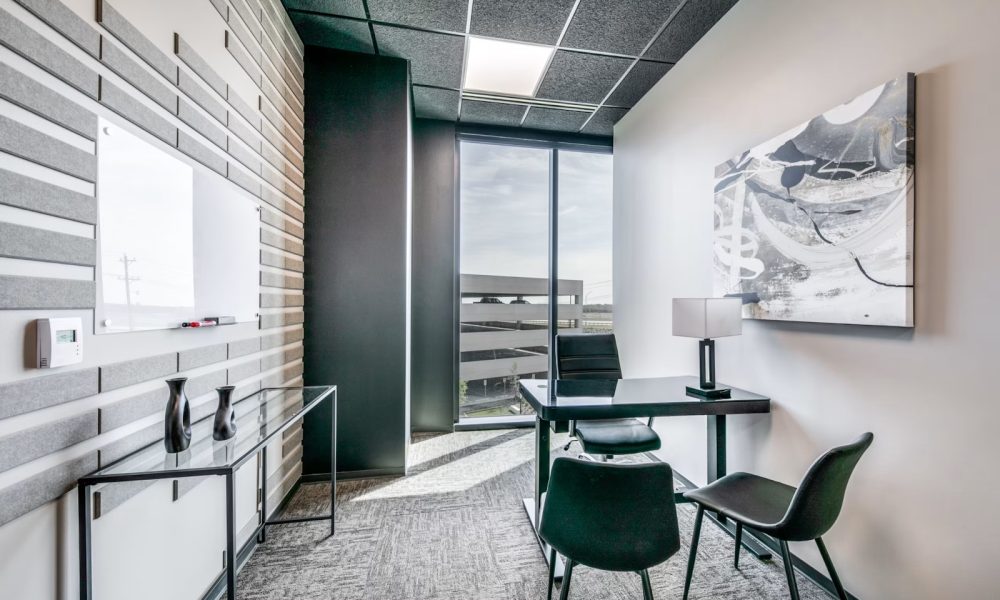
After a decade of open-plan dominance, organizations are rediscovering the value of privacy. Leaders want teams to do their best thinking, protect sensitive information, and feel a sense of ownership over their day-to-day environment. The result is a measured shift toward enclosed private offices, focus rooms, and small suites that support deep work without sacrificing collaboration.
Why Privacy Is Back on the Agenda
Open layouts promised agility and spontaneous collaboration. In practice, many teams found themselves navigating constant distraction. Hybrid schedules further exposed the mismatch: when employees commute to the office, they often come for tasks that demand concentration and quiet.
The Focus Deficit Leaders Are Trying to Solve
- Knowledge work is increasingly complex and cognitive. Tasks like analysis, writing, coding, and design benefit from uninterrupted blocks of time.
- Confidential work—finance reviews, legal matters, and healthcare data—requires visual and acoustic shielding.
- Employees need predictable environments. A closed door or a scheduled focus room communicates boundaries without friction.
Psychological Safety and Choice
Private offices reduce the “always on display” pressure common in open plans. With sightlines managed and noise contained, employees can think out loud, take sensitive calls, and manage energy throughout the day. When teams can choose between enclosed spaces and shared areas, they tend to use both with more intention.
The Limits of Open Plan—And What We’ve Learned
Open layouts encourage casual encounters, but they often rely on etiquette and self-policing to keep noise in check. Sound carries; conversations leak; small disruptions multiply. While phone booths helped, many offices added too few, placed them poorly, or failed to address ventilation and booking rules. The lesson: privacy can’t be an afterthought. It needs to be a core layer of the workplace, not an accessory.
Interruptions Are Expensive
Short, frequent interruptions lead to context switching and fatigue. Even when workers “get back on task,” the mental residue lingers. Over time, this shows up as slower project cycles, error rates, and lower satisfaction.
Private Offices, Modernized
Today’s enclosed rooms look and work differently from the wood-paneled offices of the past. The best programs pair private rooms with transparent policies and flexible layouts, creating a campus that supports varied work styles.
Design Principles That Matter
- Right-sized rooms: small footprint, big utility. Think single-occupant offices and 2–4 person quiet rooms.
- Acoustic integrity: solid-core doors, full-height walls, and seals that actually close; target clear speech privacy.
- Transparent but private: glass fronts with switchable film or thoughtfully placed blinds keep natural light while limiting visual distraction.
- Power, data, and comfort: generous outlets, dedicated lighting, and independent temperature control wherever feasible.
Technology That Supports Quiet Work
- Presence-aware booking to prevent “ghost reservations.”
- Indicator lights for occupancy and “do not disturb” modes.
- Video setups placed to avoid window glare and camera-on anxiety.
Practical Guidance for Leaders
Shifting away from open plan does not require a full rebuild. It calls for prioritization, clear norms, and a balanced mix of space types.
Start With Ratios, Not Ideology
- Aim for a 60/40 or 70/30 blend of enclosed to open seats for focus-heavy teams; flip the ratio for teams that live in workshops and labs.
- Provide more small rooms than large ones. Most focus needs are solo or pairs.
- Keep a few larger project rooms for multi-week sprints to reduce constant space shuffling.
Fit-Out Tactics That Deliver
- Door selection: use solid-core doors with drop seals and lever handles for quiet entry and exit.
- Wall construction: go full height with insulation; avoid gaps above ceilings or under floors.
- Ventilation: ensure booths and small offices have dedicated supply and return; stale air discourages use.
- Lighting: layered lighting with user control beats a single overhead fixture.
Policy and Etiquette Make It Work
- Default booking windows to 45–60 minutes to encourage turnover.
- Define “library zones” with no calls; direct call traffic to booths or enclosed rooms.
- Publish photo examples of “ready rooms” so users reset spaces quickly.
Cost and Flexibility Without the Wait
Not every company can pause for a months-long build-out. That’s where spec suites and turnkey private-office providers help. They offer enclosed rooms, reception areas, and meeting spaces ready on day one—often bundled with services, furniture, and IT support.
If you’re moving off of an open plan, target ready‑to‑use private rooms—something like a Houston office space or suite with furnished offices. The idea is simple: move your team into enclosed rooms quickly, then tune the layout as you learn. For teams in Texas, a furnished option can shorten timelines while still delivering the privacy benefits.
When Turnkey Suites Make Sense
- You’re piloting privacy-first layouts before a larger lease decision.
- You need immediate swing space during a renovation.
- You want predictable monthly costs that include furniture and services.
Measuring Impact: Make the Business Case Clear
Private offices are not just a design preference; they are an operational choice. Track the outcomes that matter to your business.
Metrics to Watch
- Focus time: hours per week of uninterrupted work as reported in pulse surveys.
- Cycle times: days from start to finish on key deliverables.
- Error rates: quality metrics on documents, code, or client work.
- Confidentiality compliance: fewer “find an empty room” scrambles for sensitive conversations.
- Space utilization: balanced use across rooms and fewer “no-show” bookings.
- Engagement and retention: changes in eNPS and manager effectiveness scores.
What About Collaboration?
Enclosing more space does not mean shutting down collaboration. It means making collaboration intentional.
Pair Privacy With Purpose-Built Collaboration Zones
- Project rooms with whiteboards and pin-up walls for sprint work.
- Casual touchdown areas near entrances for quick hellos without disrupting quiet zones.
- Scheduled “team hours” where doors open by default—and scheduled “focus hours” where they don’t.
Looking Ahead
Privacy-first workplaces are pragmatic, not nostalgic. They accept that deep work and sensitive work need boundaries, and they put those boundaries within arm’s reach. Enclosed offices, small suites, and bookable focus rooms give teams the control they’ve been missing—without abandoning shared spaces that build culture.
About This Perspective
This article outlines a practical path for leaders to reintroduce privacy with modern, flexible solutions. From construction details to booking norms and turnkey suites, the message is consistent: make privacy easy, and good work follows.