
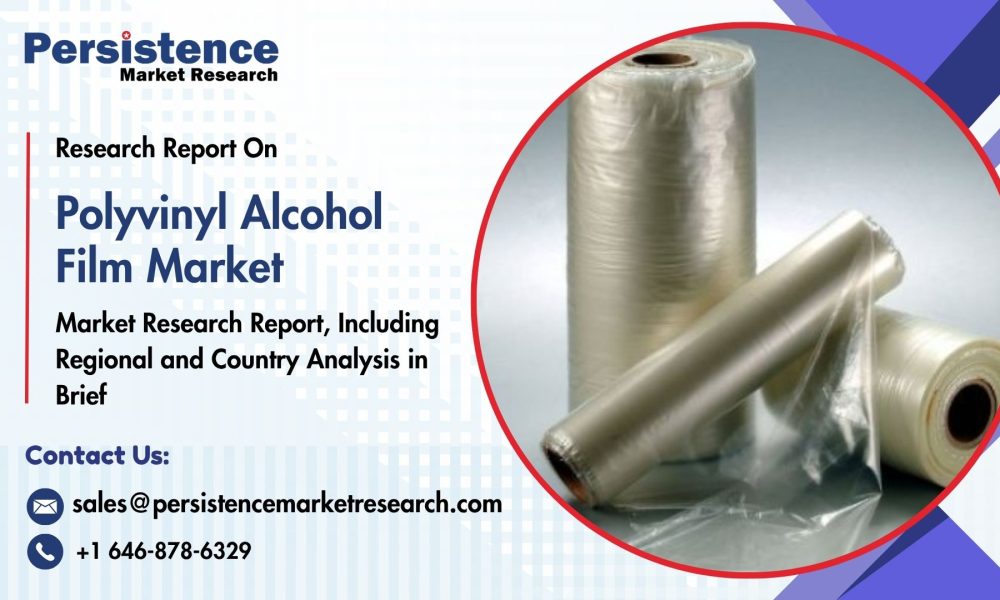
The global polyvinyl alcohol film market is poised for steady growth in the coming years, supported by the increasing focus on sustainability, biodegradable materials, and advancements in water-soluble packaging technologies. According to the latest study by Persistence Market Research, the global PVA film market size is projected to be valued at US$ 498.7 million in 2025 and is anticipated to reach US$ 730.3 million by 2032, expanding at a CAGR of 5.6% during the forecast period from 2025 to 2032. This growth trajectory reflects the market’s transformation as industries across packaging, textiles, agriculture, and pharmaceuticals shift toward eco-friendly and efficient material solutions.
Market Overview
Polyvinyl alcohol film is a water-soluble, biodegradable polymer film primarily used in applications that demand eco-conscious and high-performance materials. It offers exceptional tensile strength, transparency, flexibility, and resistance to oil, grease, and chemicals. Its water solubility and biodegradability make it a preferred choice for single-use applications, particularly in packaging sectors where environmental sustainability is becoming a major concern.
Over the years, PVA films have gained traction as a sustainable alternative to conventional plastics. They are commonly used for manufacturing detergent pods, agrochemical packaging, and unit-dose pharmaceutical pouches. With stringent environmental regulations and growing consumer awareness regarding plastic waste, the demand for PVA films continues to increase, supported by ongoing innovations in material design and performance.
Get a Sample PDF Brochure of the Report (Use Corporate Email ID for a Quick Response): https://www.persistencemarketresearch.com/samples/35469
Key Market Drivers
The growing emphasis on eco-friendly packaging remains one of the strongest drivers for the polyvinyl alcohol film market. As governments and industries tighten environmental standards, PVA films are being recognized as a sustainable alternative to petroleum-based plastics. Their water-soluble and biodegradable nature aligns perfectly with global sustainability goals, especially in the packaging and agricultural industries where waste reduction and biodegradability are highly valued.
The rise in demand for unit-dose packaging in the home care and personal care sectors is another major driver fueling market growth. Water-soluble PVA films are widely used in laundry detergent pods, dishwashing capsules, and agricultural chemical packaging, offering both convenience and safety by preventing direct human contact with concentrated chemicals. This has significantly boosted the use of PVA films among manufacturers of cleaning and agricultural products.
In addition, the pharmaceutical and medical sectors are increasingly adopting PVA films for single-use packaging and capsule applications due to their non-toxic, biodegradable, and water-soluble properties. Their compatibility with a wide range of drugs and ingredients enhances product safety while simplifying dosage and waste management.
Furthermore, advancements in film-forming technology and the increasing adoption of sustainable materials in industrial and consumer packaging are opening new growth avenues for the market. PVA films’ ability to blend with other bio-based materials and their potential use in 3D printing and flexible electronics further expand their application range.
Market Challenges
Despite their numerous advantages, PVA films face certain limitations that could hinder market growth. The relatively high production cost of PVA compared to conventional plastic films poses a challenge for small and medium-scale manufacturers. Moreover, their sensitivity to moisture and water limits their use in certain environments where water resistance is required.
The availability of alternative biodegradable materials, such as polylactic acid (PLA) and starch-based plastics, also adds to the competitive pressure in the market. Manufacturers are thus focusing on product innovation and cost optimization to maintain competitiveness. Additionally, the lack of awareness in emerging economies regarding the environmental and functional benefits of PVA films remains a barrier to widespread adoption.
Market Opportunities
While challenges exist, the market outlook for PVA films remains positive, with several opportunities emerging across industries. The growing e-commerce sector is one of the most promising avenues, as companies increasingly adopt biodegradable and soluble packaging films for shipping detergents, personal care items, and food products.
The agriculture industry also presents substantial potential, as PVA films are being used for the packaging of fertilizers and pesticides in water-soluble pods. These pods ensure safe handling, minimize chemical waste, and reduce environmental contamination. Similarly, medical and pharmaceutical packaging offers immense opportunities due to the rising need for sterile, single-use, and eco-friendly packaging materials.
Furthermore, as governments worldwide push for plastic waste reduction policies, industries are compelled to adopt sustainable alternatives. This regulatory support, combined with a rising shift in consumer preference toward environmentally friendly products, will likely accelerate the adoption of PVA films across various sectors.
Technological Advancements
The market is witnessing continuous technological innovation aimed at improving the properties and usability of polyvinyl alcohol films. Manufacturers are focusing on enhancing film performance through nanocomposites, blending techniques, and the addition of functional additives to improve mechanical strength, flexibility, and moisture resistance.
Research efforts are also being directed toward developing crosslinked PVA films that maintain water solubility while offering improved stability in humid conditions. These innovations expand the usability of PVA films in packaging and industrial applications where durability and environmental resilience are critical.
Moreover, the integration of smart and functional features such as antimicrobial coatings and barrier properties is helping manufacturers differentiate their products and meet the evolving demands of end-users.
For Customized Insights on Segments, Regions, or Competitors, Request Personalized Purchase Options @ https://www.persistencemarketresearch.com/request-customization/35469
Regional Analysis
The global polyvinyl alcohol film market is geographically diverse, with growth concentrated in key regions such as North America, Europe, and Asia-Pacific.
North America holds a significant share of the market due to the strong presence of leading detergent and pharmaceutical manufacturers that use water-soluble films for unit-dose packaging. The region’s focus on sustainable solutions and advanced packaging technologies continues to drive demand.
Europe follows closely, with countries like Germany, the U.K., and France emphasizing the use of biodegradable and compostable packaging materials in line with the EU’s circular economy initiatives. European manufacturers are also investing heavily in R&D to develop innovative PVA-based solutions tailored to regulatory standards.
Asia-Pacific is projected to witness the fastest growth during the forecast period. Rapid industrialization, rising disposable incomes, and increasing environmental awareness in countries such as China, India, and Japan are fueling market expansion. Additionally, the growing packaging and textile industries in the region are contributing significantly to PVA film demand.
Latin America and the Middle East & Africa are emerging markets, expected to register steady growth driven by expanding agricultural activities and increasing adoption of sustainable packaging solutions.
Company Insights
The competitive landscape of the polyvinyl alcohol film market is characterized by the presence of both global and regional players striving to enhance their market positions through product innovation, mergers, and strategic collaborations. Some of the key players operating in the global polyvinyl alcohol film market include:
✦ Kuraray Co., Ltd.
✦ Mitsubishi Chemical Corporation
✦ Sekisui Specialty Chemicals
✦ Aicello Corporation
✦ Arrow Coated Products Ltd.
✦ Cortec Corporation
✦ Aquapak Polymers Ltd.
✦ Nippon Gohsei (Nippon Synthetic Chemical Industry Co., Ltd.)
✦ Changzhou Water Soluble Co., Ltd.
✦ Unitika Ltd.
✦ Jiangmen Proudly Water-Soluble Plastic Co., Ltd.
These companies are focusing on expanding their product portfolios and enhancing production capacities to meet the growing global demand for sustainable and water-soluble films. Strategic collaborations with packaging manufacturers and chemical producers are also helping them strengthen their supply chain networks and expand their regional presence.
Future Outlook
The future of the polyvinyl alcohol film market looks promising, with growth driven by sustainability trends and evolving consumer preferences. As industries move toward circular economy practices, the adoption of biodegradable and water-soluble films is expected to accelerate. PVA films will continue to play a crucial role in advancing green packaging solutions, particularly in sectors like detergents, pharmaceuticals, and agriculture.
Ongoing R&D efforts aimed at improving the durability, moisture resistance, and cost efficiency of PVA films will further enhance their competitiveness against conventional materials. Moreover, government support for sustainable manufacturing and increased investment in biopolymer technologies will provide strong momentum to the market’s expansion.
Conclusion
The polyvinyl alcohol film market is set to witness steady growth through 2032, propelled by the global transition toward eco-friendly and biodegradable materials. With applications spanning across packaging, agriculture, pharmaceuticals, and textiles, PVA films offer a sustainable alternative to conventional plastics. Although high production costs and technical challenges persist, innovations in material science and supportive regulatory frameworks are paving the way for broader adoption.
As environmental sustainability becomes a core focus for industries worldwide, polyvinyl alcohol films are emerging as a critical component of the global effort to reduce plastic waste and promote a cleaner, greener future.
Explore the Latest Trending Research Reports:
About Persistence Market Research:
At Persistence Market Research, we specialize in creating research studies that serve as strategic tools for driving business growth. Established as a proprietary firm in 2012, we have evolved into a registered company in England and Wales in 2023 under the name Persistence Research & Consultancy Services Ltd. With a solid foundation, we have completed over 3600 custom and syndicate market research projects, and delivered more than 2700 projects for other leading market research companies’ clients.
Our approach combines traditional market research methods with modern tools to offer comprehensive research solutions. With a decade of experience, we pride ourselves on deriving actionable insights from data to help businesses stay ahead of the competition. Our client base spans multinational corporations, leading consulting firms, investment funds, and government departments. A significant portion of our sales comes from repeat clients, a testament to the value and trust we’ve built over the years.
Contact Us:
Persistence Market Research
G04 Golden Mile House, Clayponds Lane
Brentford, London, TW8 0GU UK
USA Phone: +1 646-878-6329
UK Phone: +44 203-837-5656
Email: [email protected]
Web: https://www.persistencemarketresearch.com




