
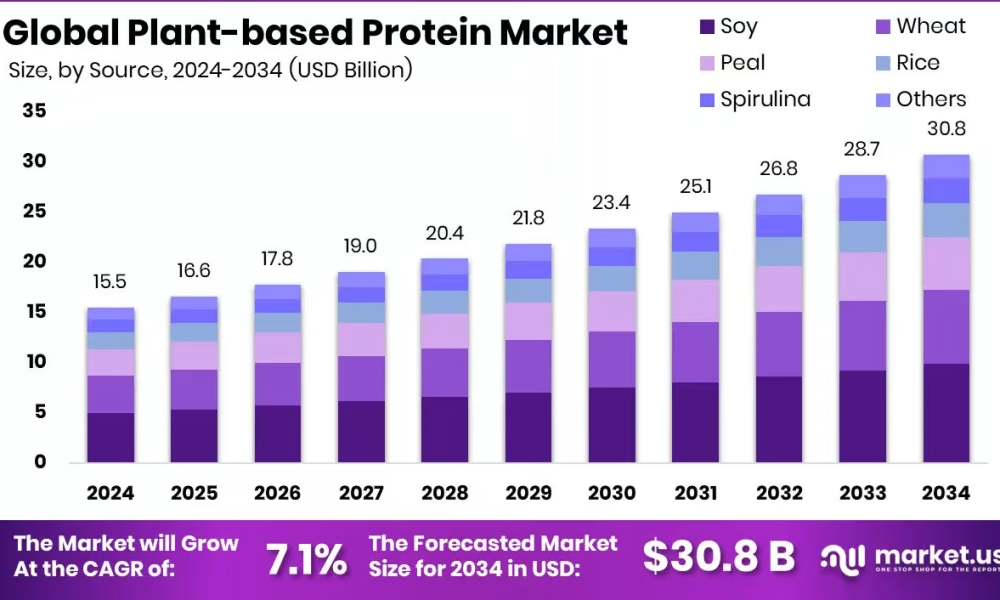
According to market.us, the global plant-based protein market is projected to reach approximately USD 30.8 billion by 2034, rising from USD 15.5 billion in 2024, with a compound annual growth rate (CAGR) of 7.1% from 2025 to 2034. This growth is primarily driven by shifting consumer preferences, particularly in North America, which commands a leading market share of 46.3%, reflecting a robust transition toward plant-derived protein sources.
Plant-based proteins are derived from ingredients such as soybeans, peas, lentils, chickpeas, quinoa, and brown rice. These sources are gaining popularity due to their lower saturated fat content, complete amino acid profiles, digestibility, and sustainability compared to animal proteins. They are extensively used in various products, including meat analogs, dairy substitutes, protein-enriched snacks, powders, and meal replacements.
Health awareness continues to play a critical role in market expansion, as consumers increasingly opt for plant proteins to reduce risks associated with cardiovascular conditions, obesity, and type 2 diabetes. Government support is also accelerating growth.
The UK has committed £15 million (€17.8 million) to create an alternative protein hub, while Germany allocated €38 million in its 2024 budget to advance plant-based and precision-fermented protein initiatives. Companies such as Plantible and Evolved Foods have secured $30 million and Rs 7.30 crore, respectively, to scale operations and meet rising demand.
Key Takeaways
- Global Plant-based Protein Market is expected to be worth around USD 30.8 billion by 2034, up from USD 15.5 billion in 2024, and grow at a CAGR of 7.1% from 2025 to 2034.
- In the Plant-based Protein Market, soy accounted for a 32.2% share due to its protein-rich profile.
- Isolates held the largest share at 48.4%, widely used in protein powders and fortified beverages.
- Conventional sources dominated with an 82.3% share, driven by established farming and lower production costs.
- Functional foods captured a 35.7% share, as health-conscious consumers prefer nutrition-packed meals and snacks.
- Plant-based protein demand surged in North America, reaching USD 7.1 billion in value.
Access a Complimentary Sample of This Premium Report: https://market.us/report/plant-based-protein-market/request-sample/
Factors Affecting the Growth of the Plant-based Protein Market
Rising Health Awareness: Consumers are increasingly prioritizing health and nutrition, driving a shift away from traditional animal proteins toward plant-based alternatives. The association of plant proteins with reduced risks of chronic conditions such as heart disease, obesity, and diabetes has reinforced this trend.
Environmental and Sustainability Concerns: Growing awareness about the environmental impact of livestock farming, including greenhouse gas emissions, water use, and land degradation, has prompted consumers and governments to support more sustainable food choices. Plant-based proteins are seen as a more eco-friendly alternative, contributing to their rising popularity.
Government Initiatives and Public Funding: Several governments are actively promoting plant-based innovation through funding and infrastructure development. Public investments in research and development of alternative proteins, including plant-based and fermented options, are facilitating technological advancements and improving product availability.
Expansion of Product Innovation: The market has moved beyond traditional vegetarian offerings, with increased innovation in texture, flavor, and functionality. Products such as plant-based burgers, yogurts, protein bars, and ready-to-eat meals have become more appealing and accessible, supporting broader adoption.
Changing Consumer Lifestyles and Dietary Preferences: A growing number of consumers, including flexitarians and those seeking dairy-free or allergen-friendly diets, are incorporating plant-based proteins into their meals. This shift in lifestyle and eating habits is creating strong demand across retail, foodservice, and fitness-oriented nutrition segments.
Key Market Segmentation
By Source Analysis
In 2024, soy accounted for a dominant 32.2% share in the By Source segment of the plant-based protein market. This leading position is attributed to soy’s complete amino acid profile, high digestibility, and versatility across product categories such as protein bars, meat substitutes, and beverages.
Its widespread availability, cost-effectiveness, and long-standing use in vegetarian and vegan diets further reinforce its market strength. Additionally, soy’s compatibility with diverse food formulations and established processing infrastructure has sustained its demand in functional foods and dietary applications.
By Form Analysis
In 2024, isolates held a leading 48.4% share in the By Form segment of the plant-based protein market. Their dominance is driven by a high protein concentration exceeding 90%, along with attributes such as neutral taste, easy digestibility, and excellent solubility. These features make isolates highly suitable for protein-fortified foods, beverages, and health supplements.
Their widespread use in products like shakes, bars, and dairy alternatives reflects strong demand from both consumers and food manufacturers. Isolates also align well with clean-label and high-protein trends, reinforcing their role in functional foods and plant-based nutrition.
By Nature Analysis
In 2024, conventional plant-based protein held a dominant 82.3% share in the By Nature segment of the market. This significant lead is driven by its lower cost, widespread availability, and well-established supply chains. Common sources like soy, peas, and wheat are produced at scale, making conventional protein more accessible and commercially viable for mass-market applications.
Its strong presence across meat substitutes, protein powders, and dairy alternatives highlights broad consumer acceptance. Compared to organic options, conventional protein benefits from faster production and fewer regulatory hurdles, ensuring greater affordability and consistent supply, especially in emerging markets.
By Application Analysis
In 2024, functional foods accounted for a leading 35.7% share in the By Application segment of the plant-based protein market. This strong position reflects a growing consumer focus on nutrition-driven eating habits, where products like protein bars, meal replacement drinks, and dairy alternatives offer both taste and health benefits.
The 35.7% share highlights the expanding use of plant-based protein to enhance the nutritional value of everyday foods. Functional foods appeal to a wide audience, including fitness-focused individuals and those adopting plant-forward diets. Their convenience, clean-label appeal, and broad retail presence continue to support their market dominance.
Key Market Segments
By Source
- Soy
- Wheat
- Peal
- Rice
- Spirulina
- Others
By Form
- Isolates
- Concentrates
- Hydrolysates
By Nature
- Organic
- Conventional
By Application
- Functional Foods
- Snacks and Cereals
- Dairy Alternatives
- Bakery and Confectionery
- Animal Feed
- Sports Nutrition
- Others
Regional Analysis
In 2024, North America led the plant-based protein market with a dominant 46.3% share, generating USD 7.1 billion in revenue. This leadership is driven by rising health awareness, growing adoption of vegan and flexitarian diets, and broad product availability across retail and foodservice channels.
Europe showed steady growth due to demand for sustainable and clean-label proteins, while Asia Pacific saw increasing interest in countries like India, China, and Japan due to urbanization and changing food habits.
Latin America and the Middle East & Africa are gradually adopting plant-based proteins, though market presence remains limited. North America’s strong investment in product innovation and widespread distribution supports its continued dominance.
Top Key Players in the Market
- Tate & Lyle PLC
- ADM
- Ingredion
- Glanbia plc
- AGT Food and Ingredients
- PURIS
- Kerry Group PLC
- Cargill Incorporated
- Roquette Frères
- Burcon NutraScience Corporation
- COSUCRA
- DSM Firmenich
- International Flavors & Fragrances Inc.
- Wilmar International Ltd.
- Emsland Group
Get in Touch with Us:
Market.us (Powered By Prudour Pvt. Ltd.)
Address: 420 Lexington Avenue, Suite 300 New York City, NY 10170, United States
Send Email: [email protected]
Refer to More Related Reports:



