
Peptone Market: A Global Overview
The peptone market has emerged as a vital segment within the broader biotechnology and life sciences arena, shaped by rapid advancements in pharmaceuticals, diagnostics, food technology, and industrial fermentation processes. Peptones — derived from the partial hydrolysis of proteins — serve as indispensable nutrient sources for microbial and mammalian cell culture media. Their unique composition of peptides, amino acids, and growth-supporting factors enables optimal growth environments for microorganisms in research and industrial settings. According to Persistence Market Research (PMR), the global peptones market is projected to expand from an estimated US$ 373.7 million in 2025 to US$ 512.5 million by 2032, registering a steady compound annual growth rate (CAGR) of 4.6% during this period.
This growth reflects the expanding role of peptones in supporting critical bioprocesses — such as vaccine development, biologics production, and microbial fermentation — that form the backbone of modern biotechnology and health sciences. As industries increasingly prioritize high-performance cell culture media for consistent and reproducible results, peptones have become central to innovation and productivity enhancements.
Get Your FREE Sample Report Instantly – Click Now: https://www.persistencemarketresearch.com/samples/12784
Key Market Drivers Powering Demand
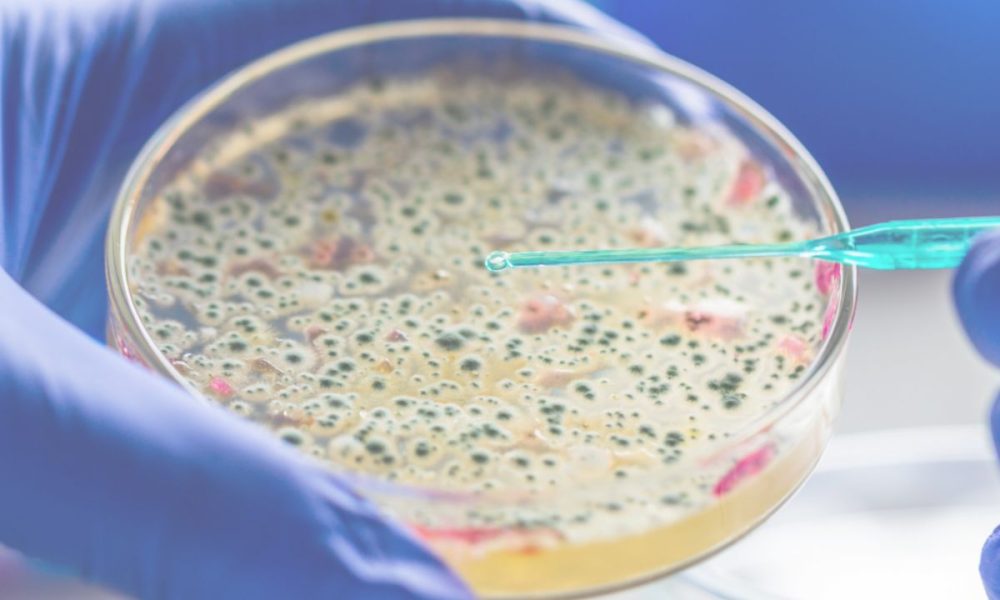
The most compelling driver for the peptone market is the surging demand for microbial cultures and bioprocessing applications globally. Microorganisms are fundamental to the production of vaccines, antibiotics, biotherapeutics, and numerous industrial enzymes. Their cultivation requires nutrient-rich media, with peptones providing essential carbon and nitrogen sources to sustain robust microbial growth. This makes them particularly valuable in research laboratories, clinical diagnostics, and biologics manufacturing facilities where precision and reliability are critical.
Furthermore, public health challenges such as the ongoing need for rapid diagnostic testing and continuous vaccine development have amplified peptone use. As diagnostic volumes increase and biologics pipelines expand, laboratories and biopharmaceutical companies depend on peptone-enriched media to ensure consistent culture performance and reproducibility. Peptones also support advanced fermentation processes in food biotechnology and probiotic development, responding to rising consumer demand for functional foods and nutrition products.
Another significant driver is the shift toward serum-free and more defined media systems in cell culture applications. Serum alternatives, including peptones, are increasingly preferred because they reduce batch variability, lower cost, and minimize the risk of contamination with animal pathogens. High-performance peptones with controlled endotoxin levels and regulatory compliance features thus play a strategic role in contemporary bioprocessing.
Challenges and Market Restraints
Despite robust growth, the peptone market faces notable challenges. Regulatory and safety compliance costs present significant hurdles, especially when producing high-purity or GMP-grade peptones for pharmaceutical and clinical applications. Meeting stringent standards set by agencies such as the U.S. FDA and European Medicines Agency (EMA) requires advanced purification techniques — such as ultrafiltration, depyrogenation, and extensive validation testing — all of which add to production complexity and expense.
Another restraint arises from the prevalent use of animal-derived peptones, which carry biosafety concerns like Bovine Spongiform Encephalopathy (BSE) and transmissible spongiform encephalopathies (TSE). This has spurred the demand for animal-free variants, but transitioning to plant, yeast, or recombinant sources requires investment in new production technologies and regulatory adjustments. Moreover, allergens inherent in some protein sources — such as soy, wheat, or dairy — impose additional labeling and safety requirements, further limiting adoption in certain food, infant nutrition, and pharmaceutical applications.
Get a Customized Market View in One Click: https://www.persistencemarketresearch.com/request-customization/12784
Market Segmentation: Diverse Sources and Forms
The peptone market is highly segmented based on source, product type, application, end-use industry, form, and grade — each offering distinct value propositions to users. In terms of source, animal-derived peptones continue to dominate, with over half of global market share anticipated by 2025 due to their rich nutrient profiles and broad usability across microbial culture media. Casein, meat extracts, and gelatin continues to be widely adopted in traditional bioprocessing applications.
However, plant-, yeast-, and recombinant-derived peptones are gaining traction owing to rising sustainability and ethical considerations. These alternatives cater to users seeking vegan-friendly, culturally sensitive, or reduced-risk inputs suitable for food fermentation, cosmetics, and biologics.
From a product perspective, protein hydrolysates — a subcategory of peptones — hold a substantial share due to their enhanced solubility and functional performance in cell culture. These hydrolysates provide a balanced mixture of peptides and amino acids, helping to optimize metabolism and improve yields in fermentation processes.
The microbial cell culture application segment leads the market by a significant margin, reflecting its role in vaccine production, antibiotic discovery, and industrial fermentation workflows. Biopharmaceutical companies represent a major end-use segment, driven by the ongoing demand for monoclonal antibodies, biosimilars, and therapeutic proteins.
Peptones are also produced in different forms — including powder and liquid — with powdered forms dominating due to their stability, ease of storage, and compatibility with automated media preparation systems. Similarly, standard (non-ultra-filtered) peptones hold the majority share due to cost effectiveness and broad usability in routine culture applications.
Regional Dynamics: Where Growth is Strongest
Geographically, North America leads the global peptone market, attributable to its advanced biotechnology infrastructure, high R&D intensity, and robust growth in diagnostic testing and biologics manufacturing. The strong presence of clinical laboratories, research institutions, and pharmaceutical manufacturers in the United States and Canada sustains continuous demand for high-quality culture media inputs.
Europe follows closely, buoyed by collaborative industry initiatives, innovation partnerships, and growing biotech research activities. Strategic alliances between ingredient suppliers and distributors have strengthened the peptone ecosystem across key European hubs, facilitating market expansion and access to specialized formulations.
The Asia Pacific market is the fastest-growing region, with countries like China, India, and South Korea emerging as biotechnology growth centers. Increased government funding for research, a thriving startup ecosystem, and expanding biosimilar and vaccine production capacity are driving intensified consumption of peptone products. Nevertheless, regional supply chains still lean on imports from Western producers — highlighting opportunities for localized manufacturing and regional distribution.
Competitive Landscape and Innovation Trends
The peptone market is moderately consolidated, featuring a mix of global giants and specialized producers. Key players include Merck KGaA, Thermo Fisher Scientific Inc., Kerry Inc., Organotechnie, Solabia Group, and HiMedia Laboratories, among others. These companies continually invest in new product development, sustainability initiatives, and strategic partnerships to maintain competitive advantages.
Innovations focus on animal-free peptones, high-performance hydrolysates, and niche formulations tailored for specific microbial strains or cell culture requirements. Recent product launches — such as specialized soy peptones and yeast-derived variants — demonstrate the industry’s response to evolving user needs, including sustainability preferences and performance enhancements in fermentation yields.
For In-Depth Competitive Analysis, Buy Now: https://www.persistencemarketresearch.com/checkout/12784
Future Outlook: Opportunities and Growth Pathways
Looking ahead, the peptone market is poised for sustained growth as demand continues for advanced biologics, vaccines, probiotics, and sustainable fermentation solutions. Opportunities are particularly strong in animal-free and plant-based peptones, driven by ethical considerations, regulatory shifts, and consumer preferences. With biotechnology sectors in emerging economies expanding and global regulatory frameworks evolving to emphasize quality and safety, the peptone market stands at the intersection of innovation and necessity.
In conclusion, the peptone market is neither static nor niche — it is a dynamic and evolving field responding to modern scientific demands. As industries push toward more efficient, ethical, and reproducible bioprocessing systems, peptones will remain a cornerstone of microbial and cell culture workflows across research, healthcare, and commercial biotechnology landscapes.
About Persistence Market Research:
At Persistence Market Research, we specialize in creating research studies that serve as strategic tools for driving business growth. Established as a proprietary firm in 2012, we have evolved into a registered company in England and Wales in 2023 under the name Persistence Research & Consultancy Services Ltd. With a solid foundation, we have completed over 3600 custom and syndicate market research projects, and delivered more than 2700 projects for other leading market research companies’ clients.
Our approach combines traditional market research methods with modern tools to offer comprehensive research solutions. With a decade of experience, we pride ourselves on deriving actionable insights from data to help businesses stay ahead of the competition. Our client base spans multinational corporations, leading consulting firms, investment funds, and government departments. A significant portion of our sales comes from repeat clients, a testament to the value and trust we’ve built over the years.
Contact Us:
Persistence Market Research
Second Floor, 150 Fleet Street,
London, EC4A 2DQ, United Kingdom
USA Phone: +1 646-878-6329
UK Phone: +44 203-837-5656
Email: [email protected]
Web: https://www.persistencemarketresearch.com




