Authored by Riya B. More, Research Associate at Prophecy Market Insights
Prophecy Market Insights has released its latest comprehensive study on the global Parenteral Drugs Market, offering a deep dive into current industry trends, growth trajectories, and competitive dynamics. This extensive 140+ page report is the result of a meticulous combination of primary interviews with industry stakeholders, consultations with subject matter experts, and in-depth secondary research. The study explores how injectable drug formulations are transforming the pharmaceutical delivery ecosystem, with detailed insights on applications across oncology, diabetes, cardiovascular diseases, and more. It also provides a strategic roadmap for manufacturers, healthcare providers, and investors to navigate the evolving market landscape and capitalize on innovation-led growth opportunities. From biologics to small molecules, the report breaks down market potential by product type, route of administration, application area, and distribution channel, equipping businesses with the knowledge to make informed and profitable decisions.
- Request Sample Report: www.prophecymarketinsights.com/market_insight/Insight/request-sample/5131
Parenteral Drugs Market Overview
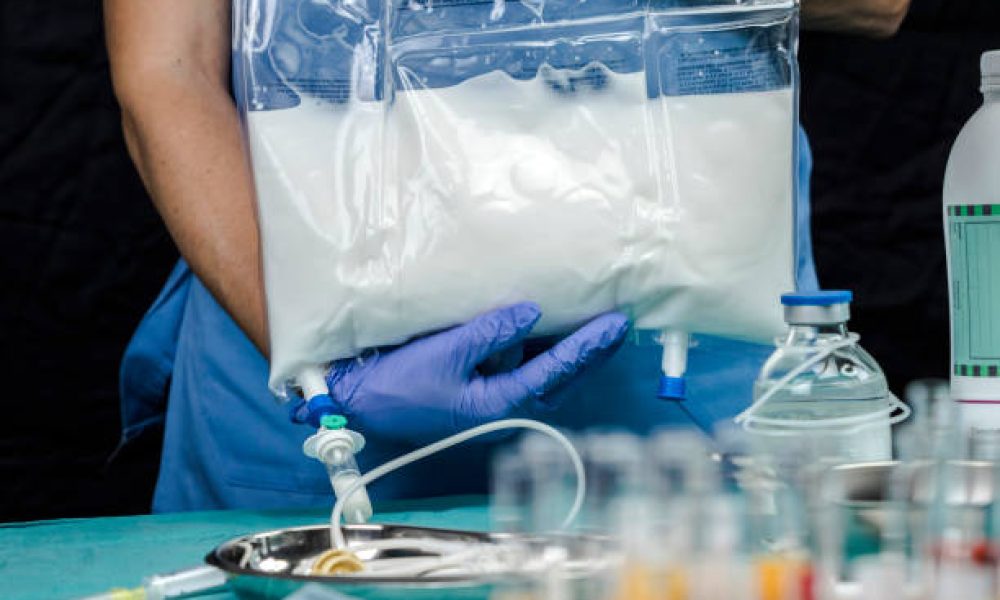
Parenteral drugs refer to medications administered through non-oral routes, primarily via injections such as intravenous (IV), intramuscular (IM), and subcutaneous (SC). These delivery methods offer rapid onset of action, improved bioavailability, and are essential for patients unable to take oral medications due to medical conditions or critical care needs.
Driven by increasing prevalence of chronic diseases, biologics innovation, and demand for hospital-based therapeutics, the global Parenteral Drugs Market is poised for sustained growth over the next decade.
Market Segmentation
By Product Type:
Insulin
Monoclonal Antibodies
Cytokines
Peptide Hormones
Others
By Route of Administration:
Subcutaneous
Intramuscular
Intravenous
By Application:
Oncology
Diabetes
Cardiovascular Diseases
Blood Disorders
Others
By Distribution Channel:
Hospital Pharmacies
Drug Stores
Online Pharmacies
Retail Pharmacies
This diverse segmentation highlights the wide applicability of parenteral drugs across critical disease areas and their increasing distribution via modern and digital channels.
Leading Parenteral Drugs Market Players
The global parenteral drugs landscape is dominated by pharmaceutical giants that have deep capabilities in biologics, injectables, and sterile manufacturing processes. Key players include:
Teva Pharmaceutical Industries Ltd.
Merck & Co. Inc.
Pfizer Inc.
Novartis AG
Sanofi S.A.
Abbott Laboratories
Beximco Pharmaceuticals Ltd.
Fresenius SE & Co. KGaA
Baxter Healthcare Corporation
Otsuka Pharmaceutical Co., Ltd.
And Others
These companies are investing in smart drug delivery platforms, prefilled syringe formats, and cold-chain logistics to improve efficiency and expand global access to critical care therapeutics.
Business Significance and Strategic Value
This report offers critical insights for:
Pharmaceutical Manufacturers entering or expanding injectable drug portfolios
Hospital Procurement Teams planning inventory and formulary decisions for biologics and emergency drugs
Biotech Investors & VC Firms focusing on parenteral drug delivery innovations
Online and Retail Pharmacy Chains exploring injectable medication delivery and logistics
By highlighting both branded biologics and generic injectables, the study provides a well-rounded analysis of innovation and affordability trends shaping the future of this segment.
Parenteral Drugs Market Drivers
Rising Prevalence of Chronic Diseases
A global uptick in diabetes, cancer, and cardiovascular diseases is increasing the demand for parenteral therapies, especially insulin and monoclonal antibodies.Advancement in Biologics
The development of complex biologic drugs such as monoclonal antibodies and cytokines, which often require parenteral administration, is a major growth catalyst.Improved Hospital Infrastructure
Increasing access to infusion centers, critical care units, and ambulatory surgical centers in emerging markets is boosting parenteral drug utilization.Preference for Fast-Acting Drugs
Emergency and intensive care scenarios require rapid therapeutic response—achieved most effectively through parenteral routes.
Industry Developments and Trends
Pfizer and Sanofi have expanded their injectable portfolios to include advanced biologics targeting cancer and autoimmune diseases.
Fresenius and Baxter are enhancing intravenous fluid delivery systems and pre-mixed infusion solutions to meet hospital and emergency care needs.
Novartis AG continues R&D in long-acting injectable formulations, especially in cardiometabolic and rare diseases.
Online pharmacies and eHealth platforms are beginning to pilot delivery services for injectable medications, supported by trained home-care professionals.
Strategic Outlook and Future Trends
Prefilled Syringes & Auto-injectors: Offering convenience and safety, these are gaining favor among both patients and providers.
Cold Chain Logistics & Smart Packaging: Biologics and sensitive formulations require temperature control and traceability, fueling investment in smart logistics.
Hospital-Home Transition: As healthcare shifts toward outpatient and home settings, subcutaneous parenterals and wearable injectors are in high demand.
Regulatory Harmonization: Faster approvals for biosimilars and injectables across markets like the U.S., EU, and Asia-Pacific are expanding global reach.
Parenteral Drugs Market Access Information
To gain deeper insights, analytics, and long-term forecasts:
Download Full PDF Report: www.prophecymarketinsights.com/market_insight/Insight/request-pdf/5131
Final Strategic Insight
The Parenteral Drugs Market is at the intersection of therapeutic efficacy, innovation, and accessibility. With rising healthcare demand, evolving delivery models, and the continuous growth of biologics, this segment offers robust opportunities for manufacturers, distributors, and investors alike. Businesses aligning with precision medicine and patient-centric delivery strategies are poised for sustained advantage in this high-impact pharmaceutical space.