
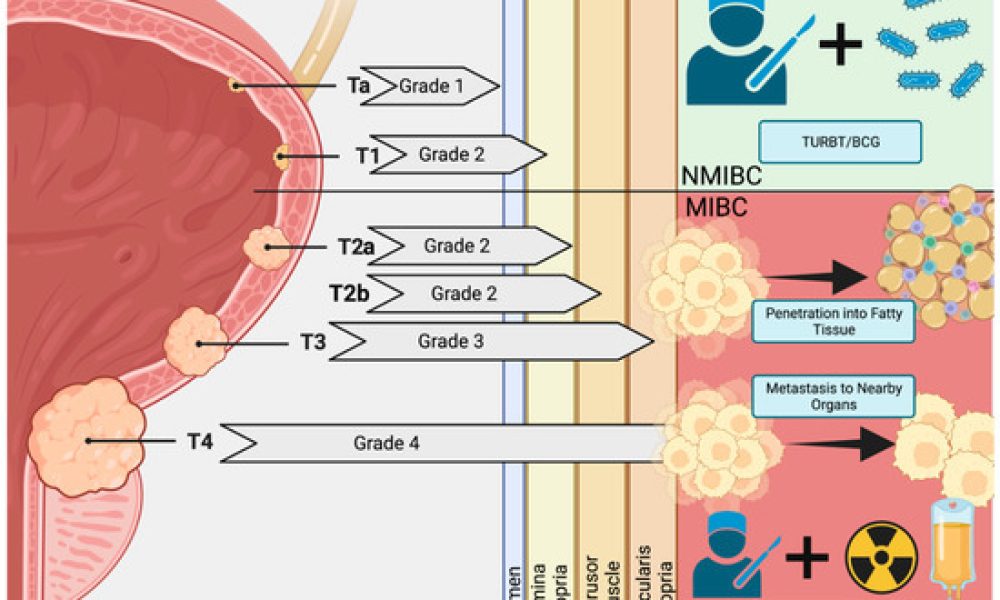
The global non-muscle invasive bladder cancer (NMIBC) therapeutics market is poised for substantial growth over the next decade. Valued at US$ 3.6 billion in 2026, the market is projected to reach US$ 7.4 billion by 2033, reflecting a robust compound annual growth rate (CAGR) of 10.9% between 2026 and 2033. This upward trajectory is driven by rising incidence rates of bladder cancer, increased awareness about early diagnosis, technological advancements in therapeutics, and expanding healthcare infrastructure across developed and emerging economies.
Non-muscle invasive bladder cancer, which accounts for approximately 70-75% of all bladder cancer cases at initial diagnosis, is characterized by cancerous lesions confined to the inner lining of the bladder without invading the muscular layer. Early intervention is crucial to prevent progression to muscle-invasive stages, and therapeutics play a central role in treatment. The market growth is largely fueled by innovations in immunotherapy, targeted therapy, and chemotherapeutic options that offer higher efficacy with reduced recurrence rates.
Download Your Free Sample & Explore Key Insights: https://www.persistencemarketresearch.com/samples/32011
Market Segmentation by Cancer Grade
The NMIBC therapeutics market is segmented into low-grade and high-grade cancers. Low-grade NMIBC constitutes the majority of cases and is often managed with intravesical therapies such as Bacillus Calmette-Guérin (BCG) immunotherapy and chemotherapeutic agents like mitomycin C. High-grade NMIBC, which presents a higher risk of recurrence and progression, necessitates more aggressive therapeutic interventions including immunotherapy, checkpoint inhibitors, and targeted therapies. Market demand for high-grade NMIBC therapeutics is expected to grow faster due to increasing clinical adoption of advanced therapies like pembrolizumab and avelumab.
Market Segmentation by Drug Type
The NMIBC therapeutics market is categorized into immunotherapy, chemotherapy, and targeted therapy. Immunotherapy remains the largest segment, led by BCG and novel checkpoint inhibitors including nivolumab, durvalumab, and avelumab. These therapies enhance the body’s immune response to eliminate cancer cells and are increasingly preferred due to their effectiveness in reducing tumor recurrence.
Chemotherapy is another critical segment, comprising drugs such as mitomycin C, docetaxel, paclitaxel, cisplatin, and gemcitabine. These agents are often delivered intravesically or systemically and are particularly effective for low-grade tumors or as adjuvant therapy following surgical resection. Despite competition from immunotherapies, chemotherapy maintains a significant market share due to established clinical protocols and cost-effectiveness.
Targeted therapy, including fibroblast growth factor receptor (FGFR) inhibitors and emerging gene therapies, is witnessing rapid adoption owing to the increasing focus on personalized medicine. Targeted therapeutics offer precision treatment options, minimizing damage to healthy tissues and enhancing patient outcomes. The segment is anticipated to exhibit strong growth during the forecast period, driven by ongoing clinical trials and regulatory approvals of innovative agents.
Market Segmentation by Distribution Channel
Distribution channels play a vital role in ensuring timely access to NMIBC therapeutics. The market is segmented into hospital pharmacies, specialty pharmacies, retail pharmacies, and online pharmacies. Hospital pharmacies dominate the distribution landscape, reflecting the need for controlled administration of immunotherapy and chemotherapeutic agents under clinical supervision. Specialty pharmacies are gaining prominence for providing advanced therapies and personalized care programs.
Retail pharmacies contribute significantly to market revenue by offering conventional chemotherapy and supportive care drugs, while online pharmacies are emerging as a convenient channel, particularly in regions with limited healthcare infrastructure. The expansion of e-commerce platforms in healthcare is expected to enhance accessibility and boost market penetration in emerging economies.
Get Custom Insights Designed for Your Businecss: https://www.persistencemarketresearch.com/request-customization/32011
Regional Analysis
Geographically, North America holds the largest share of the NMIBC therapeutics market, driven by high disease prevalence, advanced healthcare infrastructure, and strong presence of leading pharmaceutical companies. The United States, in particular, accounts for a significant portion of regional revenue due to widespread adoption of BCG therapy, checkpoint inhibitors, and growing investments in research and development.
Europe represents another mature market with consistent growth. Countries such as Germany, France, and the United Kingdom have well-established healthcare systems and supportive regulatory frameworks, facilitating the adoption of novel therapeutics. Awareness campaigns and bladder cancer screening programs further contribute to regional market growth.
East Asia, including China, Japan, and South Korea, is emerging as a high-growth market. Rapid urbanization, increasing healthcare expenditure, and rising prevalence of bladder cancer are key growth drivers. Government initiatives promoting cancer care and reimbursement policies for advanced therapeutics are expected to fuel adoption of immunotherapy and targeted therapy in this region.
South Asia and Oceania represent developing markets with moderate growth potential. The market is primarily driven by expanding healthcare infrastructure, increasing disease awareness, and growing demand for affordable treatment options. Latin America and the Middle East & Africa are expected to witness gradual growth, with increased focus on healthcare investments and rising prevalence of lifestyle-related risk factors contributing to bladder cancer incidence.
Competitive Landscape
The NMIBC therapeutics market is highly competitive, with major players adopting strategies such as mergers and acquisitions, strategic collaborations, licensing agreements, and product launches to strengthen their market presence. Key companies include Pfizer Inc., Merck KGaA, AstraZeneca PLC, Roche Holding AG (Genentech), Astellas Pharma Inc., Johnson & Johnson (Janssen Biotech), and Cipla Inc..
Other notable players include Amneal Pharma, Bristol Myers Squibb, Dr. Reddy’s Laboratories, Gilead Sciences, Endo Pharma, UroGen Pharma, Teva Pharmaceuticals (Actavis), Seagen Inc., Janssen Oncology, Immunocore Ltd., Adaptimmune Therapeutics, and Atheneum Pharma. These companies are actively investing in R&D for innovative therapies, expanding product portfolios, and forming partnerships to enhance market share.
Market Drivers
The growth of the NMIBC therapeutics market is driven by several factors. The increasing prevalence of bladder cancer, particularly among aging populations and individuals with risk factors such as smoking and occupational exposures, creates a strong demand for effective treatment options. Early diagnosis and improved screening practices are contributing to higher detection rates of non-muscle invasive forms, further driving therapeutic adoption.
Technological advancements in immunotherapy, targeted therapy, and precision medicine are transforming the treatment landscape. Novel agents such as checkpoint inhibitors and FGFR inhibitors offer improved efficacy, reduced recurrence, and better patient outcomes, making them attractive options for clinicians and patients alike.
Favorable government initiatives, reimbursement policies, and support from healthcare organizations are also fueling market growth. In addition, rising patient awareness, advocacy campaigns, and educational programs emphasizing early intervention are encouraging timely treatment and adherence to therapy protocols.
Checkout Now & Download Complete Market Report: https://www.persistencemarketresearch.com/checkout/32011
Challenges
Despite strong growth prospects, the NMIBC therapeutics market faces challenges. High treatment costs, particularly for novel immunotherapies and targeted therapies, limit accessibility in certain regions. Side effects and toxicity concerns associated with chemotherapeutic agents can affect patient compliance and outcomes. Regulatory complexities and lengthy approval processes for new drugs pose additional hurdles for market players.
Moreover, disparities in healthcare infrastructure across emerging economies hinder equitable access to advanced treatments. Limited awareness and availability of specialized care facilities in underdeveloped regions may slow market penetration and overall growth.
Future Opportunities
The NMIBC therapeutics market offers significant opportunities for growth and innovation. The increasing focus on personalized medicine, combination therapies, and gene-targeted approaches presents avenues for developing more effective and tailored treatment options. Clinical trials exploring novel immunotherapy combinations, FGFR inhibitors, and gene therapies are expected to drive future market expansion.
Emerging markets, particularly in Asia-Pacific, Latin America, and the Middle East & Africa, present untapped growth potential. Strategic collaborations, licensing agreements, and partnerships between global pharmaceutical companies and regional healthcare providers can enhance market access and penetration. Furthermore, digital healthcare platforms and telemedicine services offer new distribution channels and patient engagement opportunities.
The integration of artificial intelligence (AI) and machine learning in drug discovery and clinical decision-making is likely to accelerate the development of innovative therapeutics, reduce treatment costs, and improve patient outcomes. Adoption of minimally invasive delivery methods and personalized dosing regimens will further enhance market attractiveness.
Conclusion
The global non-muscle invasive bladder cancer therapeutics market is set to witness substantial growth from 2026 to 2033, driven by rising disease prevalence, technological advancements, and increasing adoption of immunotherapy and targeted therapies. While challenges such as high costs, regulatory barriers, and healthcare disparities exist, opportunities in personalized medicine, emerging markets, and digital healthcare solutions provide a strong foundation for sustained growth. Market players are expected to continue investing in R&D, strategic collaborations, and innovative product launches to capture market share and address the evolving needs of patients and healthcare providers worldwide. The projected CAGR of 10.9% underscores the significant commercial potential of this market, making it a critical area of focus for pharmaceutical companies, investors, and policymakers alike.
The continued emphasis on early diagnosis, advanced therapeutic development, and improved patient access will shape the future of NMIBC treatment, ultimately enhancing patient outcomes and reducing the global burden of bladder cancer. With expanding pipelines, supportive policies, and growing awareness, the NMIBC therapeutics market is well-positioned for robust growth and long-term sustainability.
This comprehensive market analysis underscores the dynamic nature of the NMIBC therapeutics sector, highlighting growth drivers, competitive landscape, challenges, and emerging opportunities, offering stakeholders valuable insights to make informed strategic decisions.




