
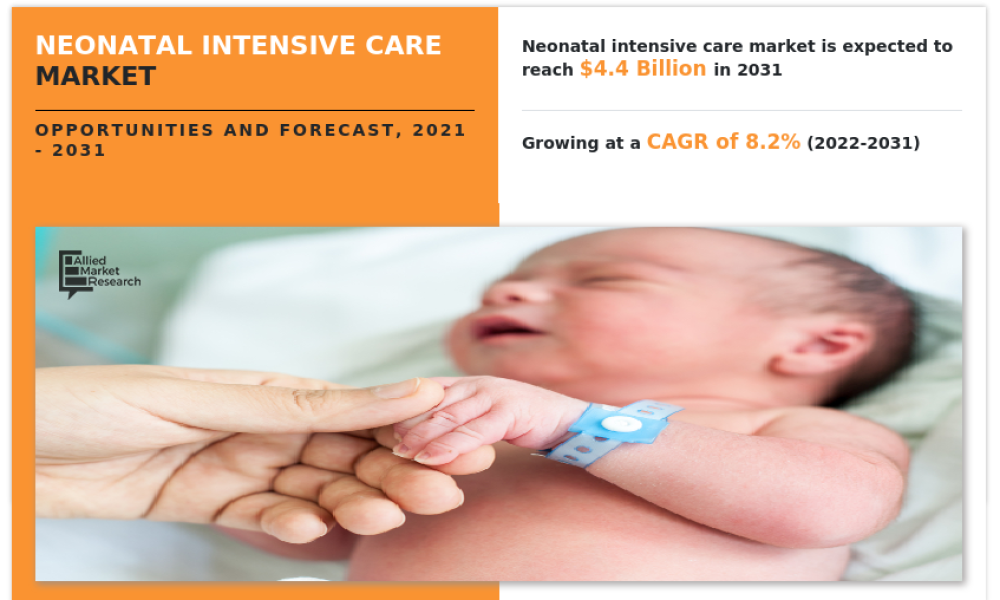
The global neonatal intensive care market is experiencing a transformative surge, propelled by medical innovations, rising rates of preterm births, and the growing emphasis on infant health. Valued at $2.0 billion in 2021, the market is projected to reach $4.4 billion by 2031, expanding at a compelling CAGR of 8.2% from 2022 to 2031. The demand for advanced neonatal care technologies has never been higher, particularly in regions witnessing high birth rates and inadequate maternal care systems.
What is a NICU?
A Neonatal Intensive Care Unit (NICU) is a specialized facility designed to treat premature or critically ill newborns. These units are outfitted with state-of-the-art equipment such as incubators, infant ventilators, phototherapy lamps, and monitoring systems to stabilize and improve the outcomes of neonates facing health challenges.
Key Growth Drivers
Several compelling factors are fueling the rapid growth of the neonatal intensive care market:
1. Rising Preterm Birth Rates
According to the World Health Organization (WHO), 15 million babies are born prematurely every year.
Conditions such as maternal hypertension, gestational diabetes, and infections contribute significantly to preterm deliveries.
Multiple births (e.g., twins, triplets) also increase the demand for NICU admissions due to complications.
2. Increasing Incidence of Low Birth Weight and Hypothermia
Neonatal hypothermia (body temperature below 36.5°C) is one of the leading contributors to infant mortality, especially in low-resource settings.
Babies weighing under 2.5 kg are more prone to respiratory problems, sepsis, and other health risks, thus increasing the need for NICU care.
3. Impact of COVID-19 and Other Respiratory Diseases
The COVID-19 pandemic raised awareness about respiratory distress in newborns.
According to the CDC, around 2.6% of newborns tested positive for COVID-19 when born to infected mothers, reinforcing the need for enhanced neonatal isolation and respiratory support.
4. Technological Advancements in Neonatal Equipment
Emergence of smart incubators with real-time temperature and humidity regulation.
Portable ventilators designed for emergency transport of critical infants.
Non-invasive monitoring devices that reduce handling stress for fragile neonates.
5. Government Programs & Healthcare Investments
Governments across Asia-Pacific and Africa are investing in maternal and neonatal health infrastructure.
Expansion of NICU setups in rural and underserved regions to reduce infant mortality.
Market Segmentation Insights
By Product Type
Respiratory Devices: Dominating the market due to high incidence of neonatal respiratory conditions.
Incubators: The fastest-growing segment, especially hybrid and transportable models.
Phototherapy Equipment: Used extensively for treating neonatal jaundice.
Monitoring Devices: Crucial for real-time tracking of heart rate, oxygen saturation, and blood pressure.
By Application
Neonatal Hypothermia & Low Birth Weight: Leading cause of NICU admissions.
Jaundice: Increasingly prevalent due to preterm births and liver immaturity.
Other Conditions: Congenital defects, neonatal sepsis, and brain injuries.
By End User
Neonatal & Pediatric Hospitals: Highest share due to dedicated NICU infrastructure.
Maternity Hospitals: Witnessing growing adoption of neonatal technologies.
General Hospitals: Rapid expansion of NICU capabilities for emergency services.
By Region
Asia-Pacific: Fastest-growing and largest market, driven by high birth rates and improving healthcare access.
North America: Mature market with advanced NICU technologies and strong reimbursement systems.
Europe: Government-backed initiatives to lower neonatal mortality rates.
LAMEA (Latin America, Middle East, and Africa): Steady growth as awareness and healthcare budgets improve.
Key Challenges in the NICU Market
Despite rapid progress, the neonatal intensive care market faces several barriers:
High Cost of Equipment: Advanced NICU devices are expensive and often unaffordable for low-resource settings.
Shortage of Trained Staff: Lack of skilled neonatal specialists limits the functionality of NICUs in remote areas.
Ethical Considerations: Dilemmas over aggressive treatment of extremely premature infants and potential long-term disabilities.
Future Outlook & Emerging Opportunities
The future of neonatal care is being reshaped by digital transformation and personalized medicine. Key trends include:
AI & IoT Integration: Use of artificial intelligence for early detection of neonatal conditions and predictive analytics.
Low-Cost, Portable NICUs: Compact, mobile solutions for use in rural clinics or during natural disasters.
Personalized Neonatal Treatments: Genetic profiling and targeted interventions based on individual neonatal needs.
Conclusion
The neonatal intensive care market is poised for substantial expansion over the next decade. Increasing awareness, combined with public and private healthcare investments, are creating a strong foundation for innovation. While there are obstacles to overcome—particularly around affordability and access—the global focus on improving neonatal outcomes continues to push the boundaries of medical care for the most vulnerable population.
Key Takeaways
📈 Market Size Growth: $2.0 billion (2021) → $4.4 billion (2031) | CAGR: 8.2%
👶 Main Drivers: Preterm birth rates, low birth weights, respiratory diseases, and technological advances.
💡 Top-Selling Products: Respiratory devices, incubators, and monitoring systems.
🌍 High-Growth Region: Asia-Pacific, due to rising birth rates and healthcare reforms.
🔮 Future Trends: Smart monitoring via AI, remote neonatal care, and personalized treatments.




