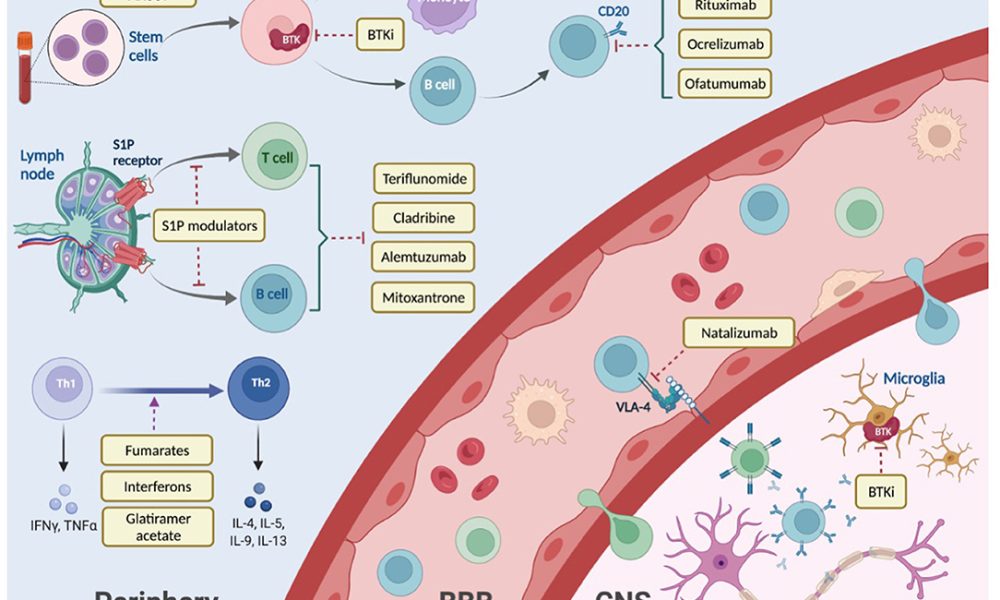
The Multiple Sclerosis (MS) Therapeutics Market is undergoing a major transformation with the introduction of novel drug classes and improved drug delivery options. Multiple sclerosis, a chronic autoimmune condition affecting the central nervous system, impacts nearly 2.8 million people globally. With no permanent cure, current treatments aim to modify disease progression, manage symptoms, and improve quality of life.
According to Prophecy Market Insights, the market is segmented by Drug Class (Beta Interferon, Corticosteroids, Monoclonal Antibodies, Antineoplastic Agents, and Others), Route of Administration (Oral and Injectable), and Distribution Channel (Hospital Pharmacies, Retail Pharmacies, and Online Pharmacies).
Multiple Sclerosis Therapeutics Market Overview and Key Trends
The therapeutic landscape for MS has shifted significantly from general immunosuppressants to targeted biologics and oral disease-modifying therapies (DMTs). With growing disease awareness, enhanced diagnostic capabilities, and patient access programs, the MS drugs market is poised for consistent growth over the next decade.
Key Growth Drivers:
Rising prevalence of relapsing-remitting MS (RRMS)
Approval of novel monoclonal antibodies with fewer side effects
Growing adoption of oral MS therapies due to ease of administration
Government support and reimbursement programs in developed nations
Drug Classes in Focus
Beta Interferon – First-line therapy for RRMS, reduces inflammation and slows disease progression.
Corticosteroids – Primarily used for managing acute MS relapses.
Monoclonal Antibodies – Targeted immune modulators like ocrelizumab and natalizumab offering improved efficacy.
Antineoplastic Agents – Immune-suppressing drugs like mitoxantrone for severe cases.
Others – Includes sphingosine-1-phosphate receptor modulators, fumarates, and tyrosine kinase inhibitors.
Route of Administration
Oral Therapies: Emerging as the preferred option for patients due to convenience and long-term use.
Injectable Therapies: Still prevalent, particularly for biologics and traditional agents like interferons and corticosteroids.
Distribution Channels
Hospital Pharmacies: Handle infusion therapies and emergency corticosteroids.
Retail Pharmacies: Dispense daily or weekly oral treatments.
Online Pharmacies: Gaining traction for chronic care delivery and patient convenience.
📘 Download PDF Brochure
Key Players in the Multiple Sclerosis Therapeutics Market
A mix of legacy pharmaceutical companies and biotech innovators are at the forefront of MS drug development:
Bayer AG – Offers interferon beta therapies and invests in digital health support tools.
Teva Pharmaceutical Industries Ltd. – Known for glatiramer acetate, a key DMT for MS.
Novartis AG – Marketed Gilenya, the first oral DMT, and continues innovating in S1P modulators.
Merck KGaA – Supplies interferon beta-1a injections and related support services.
Biogen Inc. – Leader in MS therapies with Tecfidera, Avonex, and Tysabri.
Sanofi S.A. – Known for Aubagio and its continued work in oral MS therapeutics.
F. Hoffmann-La Roche AG – Manufacturer of Ocrevus, a monoclonal antibody for RRMS and primary progressive MS.
AbbVie, Inc. and Pfizer, Inc. – Exploring new oral immunomodulators and expanding MS drug pipelines.
Recent Industry Developments
🧪 Biogen Launches Next-Gen Oral MS Drug
In 2025, Biogen announced clinical progress with a new oral therapy designed to reduce brain volume loss and improve relapse outcomes in RRMS patients.
💉 Ocrevus Sees Expanded Indications
Roche’s Ocrevus has received regulatory greenlights for early-stage MS and is being trialed for pediatric use, offering broader market access.
📈 Digital Tools for MS Monitoring
Companies like Bayer and Novartis are developing app-based monitoring tools and wearables to help patients track symptoms and optimize treatment.
Challenges in the Multiple Sclerosis Therapeutics Market
Despite advances, several hurdles persist:
High Therapy Costs – Many MS therapies cost upwards of $60,000 per year, limiting accessibility.
Adverse Side Effects – Some monoclonal antibodies and oral drugs may cause immune suppression and increase infection risk.
Limited Options for Progressive MS – While treatments for RRMS are abundant, options for primary and secondary progressive MS are fewer.
Frequently Asked Questions (FAQs)
Q1. What is the goal of MS therapy?
To reduce relapse rates, delay progression of disability, and manage symptoms. No cure exists yet, but therapies aim to improve quality of life.
Q2. Are oral therapies better than injectables for MS?
Oral therapies offer convenience, but the choice depends on disease severity, side effect profile, and patient preference.
Q3. What is the most commonly used drug for MS?
Interferon beta and newer oral drugs like dimethyl fumarate and fingolimod are widely prescribed.
Q4. Who are the leading manufacturers of MS drugs?
Top companies include Biogen, Novartis, Roche, Sanofi, Bayer, and Teva.
Q5. Can MS drugs be bought online?
Yes. Many maintenance drugs are available through certified online pharmacies for patient convenience and subscription-based delivery.
🛠️ Request Customization
Conclusion
The Multiple Sclerosis Therapeutics Market continues to evolve, with an expanding therapeutic arsenal that promises greater patient control and better disease management. As oral treatments rise and biologics advance, the industry is moving toward more targeted, effective, and patient-friendly solutions. Market players are focused not only on developing novel drugs but also on holistic care, including digital monitoring and support systems, to optimize patient outcomes.