

When someone walks into a store looking for a bottle of wine, there’s a lot to choose from. Shelves are filled with different colors, shapes, and labels. It only takes a few seconds for someone to make a choice, and it usually happens before they even read the label or think about what the wine will taste like. That’s why the way a wine bottle looks is such a big deal. It’s more than packaging. It’s part of how people feel about the wine, even before they’ve opened it.
Wineries have figured this out. They know that designing a bottle in a specific way can help their brand stand out. It’s not just about looking good, it’s about sending the right message. A bottle can say “this is fancy,” or “this is fun,” or even “this is a small family-owned winery that cares about tradition.” All of that comes across through the bottle’s design, color, label, and shape.
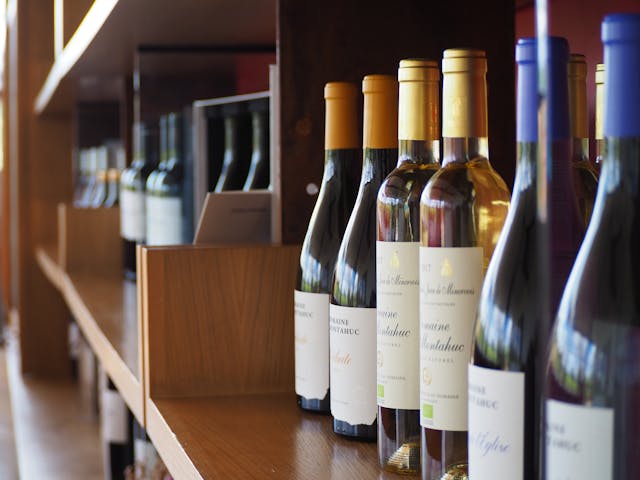
First Impressions Come From the Outside
Before anyone smells or tastes a wine, the bottle gives off clues. A tall, slim bottle with soft colors might suggest the wine is light and fresh. A short, heavy bottle with dark glass might make it feel bold or serious. People pick up on these signals without even thinking about it. That’s how branding works—it starts before anything is said out loud.
For that reason, wineries spend time choosing bottles that match their brand. Some want to appear modern and clean. Others go for a vintage or handmade look. Using customized wine bottles is one way to do this. It lets wineries control more than just the label. They can change the shape of the bottle, the texture of the glass, and even the way the label sticks to it.
Even though it might seem like a small thing, the way a bottle looks can be a big reason someone tries a wine for the first time. If the outside feels special, people are more likely to believe the wine inside will be special too.
Shape, Color, and Texture Matter
Not all wine bottles are shaped the same, and that’s on purpose. Some bottles have sloped shoulders. Others are straight and tall. A rounded bottom or a thick base can make a wine feel more expensive. These details don’t change the wine, but they do change how people think about it.
Color also plays a role. Green and brown glass have been used for a long time, partly to protect the wine from light. But more wineries are trying clear or even colored bottles to stand out. A rosé wine in a soft pink-tinted bottle can look bright and fresh. A white wine in frosted glass might feel calm or relaxing.
Some bottles also have texture. They may be smooth, rough, or even have patterns pressed into the glass. This gives them a physical feeling that sticks in people’s memory. When someone holds a bottle that feels unique, it adds to the experience and makes the wine feel more thoughtful.
Labels Aren’t Just for Information
The label is probably the first thing someone notices on the bottle. It tells the name, the type of wine, and where it’s from. But it also tells a story. Some labels look old-fashioned, with gold edges and fancy writing. Others use bold colors and simple fonts. Both can work, but they send very different messages.
Wineries choose their labels to match their personality. A fun wine that’s made for parties might use bright colors and a playful name. A serious wine meant for aging could use a classic label with quiet, strong colors. Either way, the goal is to make the wine match the experience someone hopes to have.
The label also helps with brand memory. When someone enjoys a wine, they usually remember how the label looked before they remember what it was called. This is why consistent design is important. Changing the look too often can confuse people who want to buy the wine again.
Custom Packaging Builds Brand Loyalty
When people feel like they’ve found a wine that fits them, they’re more likely to buy it again. That’s not always because it was the best wine they’ve ever tasted. A big part of it is how the brand made them feel. Packaging plays a big role in that feeling. It creates a mood and helps people feel connected to the brand.
Wineries that put effort into their bottle design often end up with more loyal customers. It becomes more than just wine. It turns into something people remember and want to share with friends. They might even bring it to parties just because they like the way the bottle looks.
That’s the real power of customized bottles. They help tell a story, and they make that story easier to remember. In a market where there are hundreds of wines to pick from, being memorable is one of the most valuable things a brand can be.
Small Details Can Make a Big Difference
Even things that seem tiny can change how people feel about a bottle. The kind of cork or cap used, the weight of the bottle, or even the type of paper on the label—these choices all send signals. A wax seal can make a bottle feel traditional. A screw cap with bright foil can make it feel easygoing and fun.
These choices are part of building trust. When people notice that every part of the bottle fits together well, it shows care. That can make someone feel more confident that the wine was made with care too.
Some wineries even use QR codes or printed messages under the cap to make the bottle more interactive. These touches help brands stand out and create an experience, not just a drink.
Why It All Adds Up
In the end, wine isn’t just about taste. It’s about how it looks, how it feels, and how it fits into someone’s life. That’s why the outside of the bottle matters as much as what’s inside. A great wine in a boring bottle might get passed over. But a good wine in a well-designed, customized bottle has a better chance of being seen, remembered, and shared.
Designing a wine bottle isn’t just a final step in the process. It’s part of the story. From the moment someone sees it on a shelf to the second they pour their first glass, every detail adds to how they feel about it. That feeling is what makes them come back again.
What to Take Away
Customized wine bottles help wineries shape how people see their product. They make wines easier to spot, easier to remember, and easier to connect with. When the design matches the brand’s style and the quality inside, it becomes more than just packaging. It becomes part of the wine’s identity. That’s why it matters—and why it’s more than just glass.




