Introduction
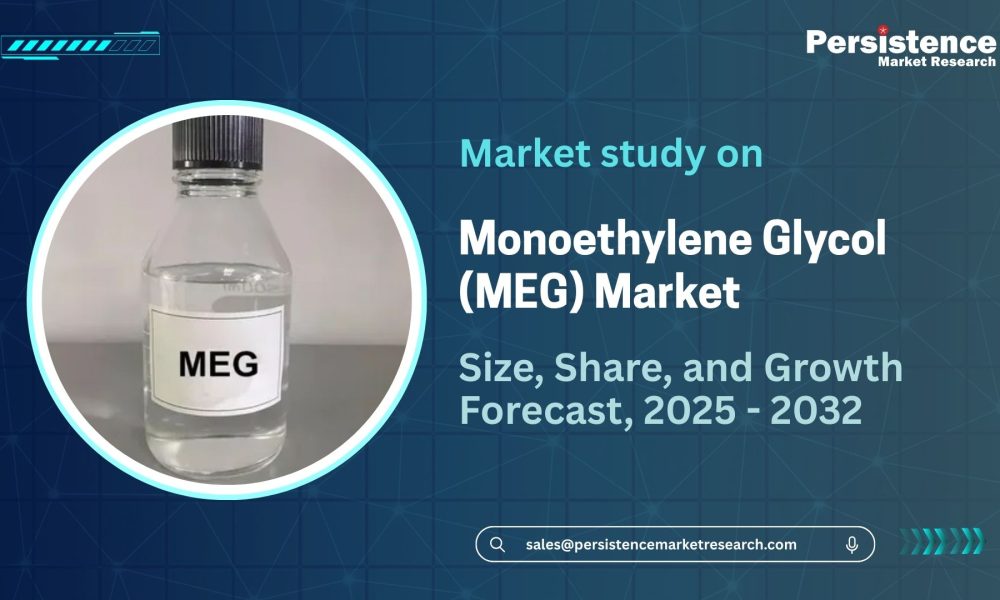
Monoethylene glycol, widely known as MEG, is an organic compound primarily used in the production of polyester fibers, resins, and polyethylene terephthalate. It is a colorless and odorless liquid with applications across multiple industries. MEG plays a critical role in the manufacturing of textiles, packaging materials, antifreeze, and industrial coolants. Its versatility, chemical properties, and growing demand from fast expanding sectors such as textiles and packaging make it a key product in the global petrochemical industry.
The demand for MEG is strongly influenced by the rapid growth of urbanization, rising consumption of polyester based products, and increasing use of PET bottles across food and beverage industries. Additionally, the shift toward lightweight packaging, energy efficient coolants, and industrial resins has created steady growth opportunities for the MEG market worldwide.
According to persistence market research The global monoethylene glycol (MEG) market size is likely to be valued at US$ 26.4 Bn in 2025 and is projected to reach US$ 33.8 Bn by 2032, registering a CAGR of 3.6% during 2025 to 2032. MEGlobal, Ishtar Company LLC, Raha Group, India Glycols Ltd, Kimia Pars Co, LyondellBasell NV, Arham Petrochem Pvt Ltd, and Indian Oil Corp Ltd are among the key companies operating in this space.
The continuous rise of polyester fiber demand in the textile industry, growing adoption of PET packaging in food and beverages, and rapid development of construction and automotive industries further solidify the market outlook for MEG.
Key Market Drivers
The MEG market is expanding rapidly due to several critical drivers:
- Textile Industry Growth
- Polyester fiber, a derivative of MEG, is a major component in clothing, upholstery, and home textiles.
- Rising consumer preference for durable and affordable textiles fuels polyester demand.
- Boom in PET Packaging
- PET bottles and containers are widely used for packaging soft drinks, juices, water, and personal care products.
- Increased demand for lightweight and recyclable packaging materials is boosting MEG consumption.
- Industrial Applications
- MEG is an important component in manufacturing antifreeze and coolants for automotive and industrial equipment.
- Growth in automobile sales and infrastructure development supports market expansion.
- Urbanization and Population Growth
Market Challenges
While the MEG market holds significant opportunities, it faces notable challenges:
- Feedstock price volatility: MEG is derived from ethylene, which is influenced by fluctuations in crude oil and natural gas prices.
- Environmental concerns: Traditional MEG production has environmental impacts, and increasing sustainability demands pose a challenge.
- Regulatory restrictions: Stringent government regulations regarding chemical manufacturing and emissions can affect production.
- Competition from substitutes: Alternatives such as propylene glycol may impact MEG demand in specific applications.
Opportunities in the Market:
Despite challenges, the MEG industry offers numerous growth opportunities:
Bio based MEG production: Companies are exploring renewable feedstocks such as sugarcane to produce bio MEG.
Expansion in emerging markets: Countries in Asia Pacific, the Middle East, and Africa present new demand opportunities due to industrial growth.
Advancements in packaging: Growing focus on recyclable PET bottles and sustainable packaging materials creates higher demand.
Infrastructure development: Rapid urbanization and construction activities drive growth in paints, adhesives, and industrial applications of MEG.
Get a Sample Copy of Research Report (Use Corporate Mail id for Quick Response): https://www.persistencemarketresearch.com/samples/28942
Regional Insights
North America
The MEG market in North America benefits from the strong presence of the automotive and packaging industries. Growth in demand for PET bottles and antifreeze products supports market expansion.
Europe
Europe places emphasis on sustainability and recyclable materials. High demand for eco friendly packaging and strong textile production in countries like Italy and Germany contribute to regional growth.
Asia Pacific
Asia Pacific dominates the global MEG market, with China and India being major consumers. Rapid industrialization, textile production, and expansion in packaged beverages drive demand. The availability of feedstock and lower production costs also position the region as a key hub.
Latin America
Latin America’s growing automotive sector and increasing demand for packaged beverages are supporting MEG market growth, particularly in Brazil and Mexico.
Middle East and Africa
The Middle East has significant feedstock availability and continues to invest in petrochemical infrastructure. Africa’s emerging textile and packaging industries also contribute to regional opportunities.
Applications of Monoethylene Glycol
MEG serves as a critical raw material across multiple industries:
Polyester Fibers
MEG is a major raw material for producing polyester fibers.
Used extensively in clothing, textiles, carpets, and home furnishing.
PET Packaging
Essential in the production of PET bottles and containers.
Increasing demand for bottled water and beverages boosts consumption.
Antifreeze and Coolants
Widely used in automotive antifreeze and industrial cooling applications.
Expanding automobile ownership in emerging economies supports growth.
Resins and Films
Used in resins for paints, adhesives, and coatings.
Application in packaging films and laminates.
Industrial Use
Acts as a solvent in several chemical processes.
Plays a role in the production of inks, detergents, and adhesives.
Competitive Landscape
The MEG market is moderately consolidated with several global and regional players focusing on capacity expansion, partnerships, and sustainable production methods.
Key players include:
- MEGlobal
- Ishtar Company LLC
- Raha Group
- India Glycols Ltd
- Kimia Pars Co
- LyondellBasell NV
- Arham Petrochem Pvt Ltd
- Indian Oil Corp Ltd
Companies are investing in new technologies to improve yield, enhance bio based production, and reduce the environmental impact of manufacturing processes. Expansion in Asia Pacific and the Middle East remains a key strategy for growth.
Emerging Trends
Several trends are shaping the MEG market outlook:
Rising adoption of bio MEG: Growing shift toward sustainable production from renewable sources.
Focus on recyclability: Demand for recyclable PET bottles and packaging materials is increasing.
Technological innovation: Enhanced production technologies are improving efficiency and reducing emissions.
Urban lifestyle changes: Higher consumption of ready to drink beverages packaged in PET bottles is a key trend.
Strategic investments: Petrochemical companies are increasing investments in MEG production facilities, particularly in Asia Pacific and the Middle East.
Future Outlook
The future of the global MEG market is closely tied to the growth of polyester fibers and PET packaging. As demand for textiles, packaged foods, and beverages continues to rise, MEG will remain an essential component across multiple industries.
Sustainability will play a vital role, with bio based production methods gaining traction. Technological innovation and government support for renewable chemicals will further accelerate this transition. The automotive and construction industries will also continue to provide consistent demand through antifreeze, resins, and adhesives applications.
By 2032, the global MEG market is projected to solidify its role as a key player in the petrochemical industry while transitioning toward a more sustainable and eco friendly growth path.
Conclusion
The monoethylene glycol market is poised for steady growth over the next decade, driven by strong demand in textiles, packaging, automotive, and industrial sectors. Its essential role in polyester fiber and PET packaging production makes it a critical product in global supply chains.
While the market faces challenges such as feedstock volatility and environmental concerns, opportunities in bio based production, recyclable packaging, and emerging markets provide a positive outlook. With a projected market size of US$ 33.8 Bn by 2032, the MEG industry will continue to expand, supported by innovation, sustainability, and the evolving needs of global industries.