
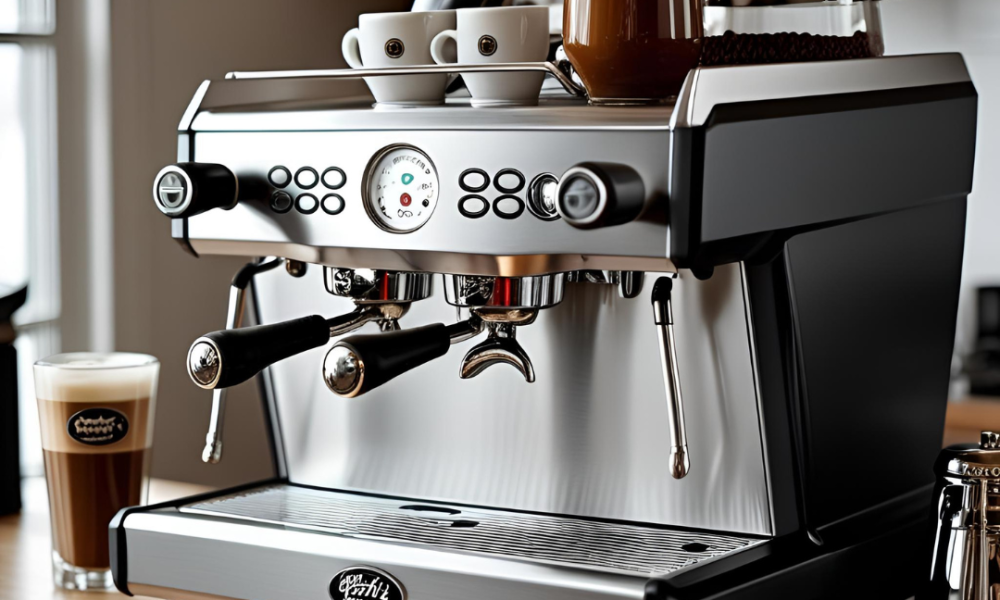
The manual espresso machines market represents a premium segment within the broader coffee equipment industry, characterized by artisanal brewing methods and hands-on control over the extraction process. The manual espresso machines market was valued at approximately USD 355.35 million in 2023, and it is expected to grow to USD 710.59 million by 2033, with a CAGR of 7.3% from 2024 to 2033.
The manual espresso machines market has witnessed robust growth in recent years driven by a global surge in coffee culture and the growing preference for barista quality beverages prepared at home and in small scale commercial settings. This segment appeals particularly to coffee enthusiasts who value the ritual and precision of manual brewing, offering complete control over brewing parameters including pressure, extraction time, and water temperature.
Manual espresso machines distinguish themselves from their automatic counterparts by requiring operator skill and involvement in every aspect of the brewing process. This hands-on approach attracts a growing demographic of coffee connoisseurs who appreciate the craftsmanship and customization possibilities inherent in manual operation.
The market benefits from several key trends including the rise of specialty coffee culture, increased consumer interest in artisanal beverages, and the growing popularity of home brewing as consumers seek café-quality experiences in their domestic environments. According to the US’ National Coffee Association, 71% of past-day consumption occurred at home in early 2025, up from 63% in 2020, indicating a substantial shift toward home-based coffee preparation.
𝐆𝐞𝐭 𝐚 𝐟𝐫𝐞𝐞 𝐬𝐚𝐦𝐩𝐥𝐞 𝐫𝐞𝐩𝐨𝐫𝐭: https://datahorizzonresearch.com/request-sample-pdf/manual-espresso-machines-market-3718
Market Segmentation Analysis
By Product Type
Lever Espresso Machines Lever espresso machines represent the most traditional segment of manual espresso equipment, embodying the original espresso-making methodology. Lever-driven machines are often associated with the tradition and craftsmanship of espresso-making. They harken back to the early days of espresso and offer a hands-on, artisanal approach to brewing coffee. These machines provide users with complete physical control over extraction pressure through manual lever operation, allowing for pressure profiling and customized extraction curves. The lever segment appeals primarily to purist coffee enthusiasts and specialty cafés seeking authentic espresso experiences.
Pump Espresso Machines Pump-driven manual espresso machines combine traditional manual operation with modern pump technology, offering consistent pressure delivery while maintaining user control over key brewing variables. This segment represents the largest portion of the manual espresso market, bridging the gap between traditional lever machines and modern convenience. These machines typically feature manual controls for grind dosing, tamping, and extraction timing while utilizing electric pumps for pressure generation.
Steam Espresso Machines Steam-powered manual espresso machines constitute a smaller, specialized segment focused on historical accuracy and traditional brewing methods. While less common in modern markets, these machines appeal to collectors and establishments seeking authentic vintage espresso experiences. Steam machines operate at lower pressures than modern pump systems but offer unique flavor profiles and brewing characteristics.
By Price Range
Entry-Level (Under $500) Entry level models are most prevalent, representing the largest volume segment of manual espresso machines. This price tier includes basic lever machines, simple pump-operated models, and starter manual espresso equipment designed for home enthusiasts beginning their manual brewing journey. Entry-level machines typically feature standard portafilters, basic steam wands, and fundamental brewing controls without advanced features like PID temperature control or pressure profiling.
Mid-Range ($500 – $1,000) The mid-range segment offers enhanced build quality, improved materials, and additional features such as dual boilers, PID temperature control, and professional-grade components. This category attracts serious home baristas and small commercial operations seeking professional performance without premium pricing. Mid-range machines often include features like pre-infusion capabilities, pressure gauges, and enhanced steam power for milk-based beverages.
Premium ($1,000 and Above) Premium manual espresso machines feature commercial-grade construction, advanced materials like brass boilers and stainless steel components, and sophisticated control systems. This rapid market growth also gave rise to prosumers – highly skilled and educated consumers who invest in premium equipment. This segment includes high-end lever machines, professional dual-boiler systems, and artisan-crafted equipment designed for ultimate brewing precision and longevity.
By Application
Home Use The residential market is experiencing robust growth due to various factors including the rising popularity of specialty coffee shops, social media trends, the availability of reasonably priced equipment, and easy access to quality roasted coffee. The home segment represents the fastest-growing application category, driven by increasing coffee sophistication among consumers and the desire to replicate café experiences at home. Home users typically prioritize compact footprints, ease of maintenance, and user-friendly operation while maintaining manual control capabilities.
Commercial Use Commercial applications include specialty coffee shops, artisan cafés, and establishments emphasizing traditional brewing methods. This segment values durability, consistent performance under high-volume conditions, and the ability to showcase brewing craftsmanship to customers. Commercial manual espresso machines often feature larger boilers, enhanced steam capacity, and robust construction designed for continuous operation.
By Distribution Channel
Online Digital distribution channels have gained significant prominence, especially following the COVID-19 pandemic. In the post COVID-19 scenario, the sale of espresso maker is expected to be increased from e-commerce platforms. Online channels offer extensive product selection, detailed specifications, customer reviews, and competitive pricing. E-commerce platforms enable manufacturers to reach global markets and provide detailed product education through videos and detailed descriptions.
Offline According to Cognitive Market Research, due to a number of variables that meet a wide variety of consumers’ preferences and demands, the offline distribution channel sector in the market for home espresso machines has experienced tremendous development. Traditional retail channels including specialty coffee equipment stores, department stores, and authorized dealer networks remain important for manual espresso machines. Physical retail allows customers to examine build quality, test operation, and receive expert guidance from knowledgeable staff.
Key Market Players and Competitive Landscape
The manual espresso machines market features a diverse array of manufacturers ranging from heritage Italian brands to innovative modern companies. The top key players in the market are Under DeLonghi, Jura, Philips(Saeco), La Marzocco, Nespresso, Gruppo Cimbali, Nuova Simonelli, Melitta, Ali Group (Rancilio), Illy, Bosch, Simens, Mr. Coffee (Newell Brands), Krups (Groupe SEB), Ascaso, Dalla Corte, Hamilton Beach, ECM Manufacture GmbH, La Pavoni, Sage Appliances, Profitec.
Heritage Italian Brands Companies like La Marzocco, Rancilio, La Pavoni, and Nuova Simonelli represent the traditional core of manual espresso machine manufacturing. These brands leverage decades of espresso expertise and maintain strong reputations for build quality and authenticity. Premium heritage brands maintain prominent market shares, supported by domestic manufacturing and EU distribution networks.
Modern Innovation Leaders Brands such as Breville (Sage), Lelit, and ECM Manufacture focus on incorporating modern technology into traditional manual brewing concepts. In 2024, De’Longhi S.p.A acquired a majority 41% stake in coffee equipment brand La Marzocco, capitalising on its cult status in specialty coffee. Similarly, in 2022, Breville Group acquired LELIT, an Italian prosumer specialty coffee group, following its 2020 acquisition of grinder manufacturer Baratza.
Emerging Competitors New entrants like Meraki and other startup companies are introducing innovative features and targeting specific market segments with unique value propositions. Meraki’s Kickstarter campaign raised US $1.8 million, proof of the growing appeal of accessible, high-performing machines.
Market Drivers and Growth Factors
Rising Coffee Culture and Education Consumer knowledge has continued to increase in the years since, further bolstering innovation in the at-home coffee market. Increasing consumer sophistication regarding coffee quality, brewing methods, and flavor profiles drives demand for manual espresso machines that offer superior control and customization capabilities.
Home Brewing Trend Acceleration The shift toward home brewing has accelerated significantly, with consumers investing in professional-grade equipment for domestic use. The segment’s growth is further supported by technological advancements in coffee makers, with manufacturers creating affordable technology specifically designed for household settings.
Premium Experience Demand Consumers increasingly seek authentic, artisanal experiences that manual espresso machines uniquely provide. The ritual and skill required for manual operation appeals to users who view coffee preparation as a craft rather than mere convenience.
Social Media and Community Influence Digital platforms showcase manual brewing techniques and create communities around espresso craftsmanship, driving awareness and adoption among younger demographics interested in artisanal pursuits.
Future Outlook and Market Trends
The manual espresso machines market outlook remains highly positive, supported by several emerging trends and technological innovations:
Smart Integration Without Automation Integration of Smart Features: Digital temperature control modules, pressure profiling attachments, and connected apps for recipe sharing will likely become more prevalent, bridging manual operation with data driven consistency. Future developments will focus on providing data and assistance while preserving manual control.
Sustainability Focus Demand for eco friendly materials-recyclable components, lead free brass, and energy efficient heating systems-will rise as consumers and cafés prioritize sustainability credentials. Environmental consciousness will drive innovations in materials, manufacturing processes, and energy efficiency.
Customization and Personalization Limited edition colorways, artisan crafted wooden lever handles, and modular chassis designs will cater to consumers seeking unique, bespoke appliances. Manufacturers will increasingly offer customization options to differentiate products and command premium pricing.
Community Engagement Strategies Brands that foster user communities through online forums, barista workshops, and recipe competitions will strengthen customer loyalty and drive word of mouth growth. Educational initiatives and community building will become essential marketing strategies.
Compact Design Innovation Dennis predicts that manufacturers will focus on designing aesthetically pleasing machines for smaller spaces, without sacrificing performance. Future manual espresso machines will address space constraints while maintaining professional-grade capabilities.
Hybrid Technology Integration Experts predict that the next wave of home espresso machine technology will focus on a few key areas: improved usability, increased automation without losing manual customisation, and more space-saving, sleek designs that appeal to modern consumers.
The manual espresso machines market stands poised for continued expansion as coffee culture evolves and consumers increasingly value artisanal experiences, quality control, and the satisfaction of manual craftsmanship in their daily coffee rituals. Overall, the manual espresso machines market will continue to balance its heritage roots with modern innovations, satisfying both purist coffee aficionados and a growing base of enthusiasts seeking a hands on brewing experience.
𝐋𝐚𝐭𝐞𝐬𝐭 𝐑𝐞𝐩𝐨𝐫𝐭𝐬:
𝐂𝐨𝐦𝐩𝐚𝐧𝐲 𝐍𝐚𝐦𝐞: 𝐃𝐚𝐭𝐚𝐇𝐨𝐫𝐢𝐳𝐳𝐨𝐧 𝐑𝐞𝐬𝐞𝐚𝐫𝐜𝐡
𝐀𝐝𝐝𝐫𝐞𝐬𝐬: 𝐍𝐨𝐫𝐭𝐡 𝐌𝐚𝐬𝐨𝐧 𝐒𝐭𝐫𝐞𝐞𝐭, 𝐅𝐨𝐫𝐭 𝐂𝐨𝐥𝐥𝐢𝐧𝐬,
𝐂𝐨𝐥𝐨𝐫𝐚𝐝𝐨, 𝐔𝐧𝐢𝐭𝐞𝐝 𝐒𝐭𝐚𝐭𝐞𝐬.
Mail: [email protected]
About us:
DataHorizzon is a market research and advisory company that assists organizations across the globe in formulating growth strategies for changing business dynamics. Its offerings include consulting services across enterprises and business insights to make actionable decisions. DHR’s comprehensive research methodology for predicting long-term and sustainable trends in the market facilitates complex decisions for organizations.




