
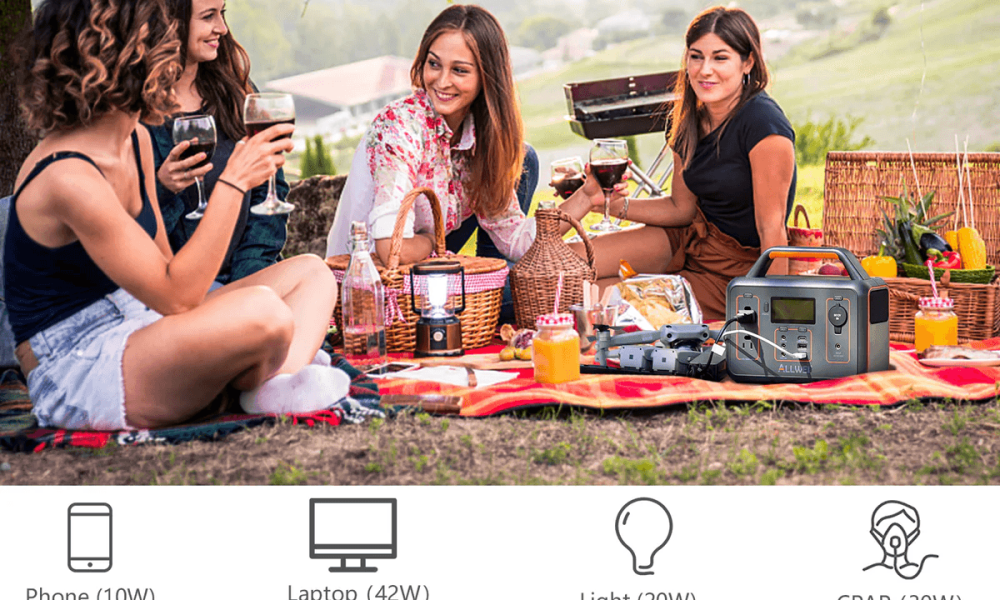
Why a 300W Power Station is Essential for Off-Grid Living
Living off the grid requires reliable and efficient power sources. A 300-watt power station is an excellent choice for those looking to maintain essential devices and appliances in a self-sufficient lifestyle. These portable power stations offer a balance of power, portability, and versatility, making them ideal for various off-grid scenarios.
Benefits for Off-Grid Living:
- Compact and Lightweight: Most 300-watt power stations are designed to be compact and lightweight, making them easy to carry and store.
- Versatile Power Outputs: Equipped with multiple AC, DC, and USB ports, these power stations can charge a variety of devices, from laptops and tablets to small appliances and drones.
- Solar Compatibility: Many models can be recharged using solar panels, providing a sustainable and renewable energy source.
- Reliable Backup: In case of power outages or blackouts, a 300-watt power station provides a reliable source of electricity for essential appliances and devices.
How to Power Your Essential Devices
A 300-watt power station can power a wide range of essential devices, ensuring you have the necessary tools and comforts for off-grid living. Here’s a breakdown of what you can power:
Common Devices:
- Laptops and Tablets: Most laptops require between 45-90 watts, and tablets typically need 5-15 watts.
- Small TVs: Small to medium-sized TVs (up to 32 inches) can be powered, providing entertainment and information.
- Small Appliances: Items like microwaves, mini-fridges, and CPAP machines can be powered, but check the wattage requirements.
- LED Lights: Multiple LED lights can be powered, providing ample lighting for your living space.
- Drones and Other Electronics: High-power drones and other electronic devices can be charged, which is useful for surveillance and communication.
Example Calculation:
- A 280 Wh power station powering a 100-watt device: 280 Wh / 100 watts = 2.8 hours of runtime.
“During my first year of off-grid living, I relied on a powerstation 300 watt to keep my laptop and tablet charged, run a small microwave for quick meals, and power a few LED lights. It was a game-changer, and the solar panel option meant I could recharge it easily during the day.”
Solar Panel Compatibility & Best Charging Methods
Many 300-watt power stations are compatible with solar panels, allowing you to recharge them using renewable energy. This is especially useful for off-grid living and reducing your carbon footprint.
Best Solar Panels for 300W Power Stations:
- Jackery SolarSaga 100W: Highly efficient, portable, and easy to set up.
- Goal Zero Boulder 100 Briefcase: Durable and foldable, ideal for stationary use.
- Renogy 100W Monocrystalline Solar Panel: High efficiency, suitable for both portable and stationary use.
Tips for Solar Charging:
- Positioning: Place the solar panels in direct sunlight for maximum efficiency.
- MPPT Controller: Look for power stations with an MPPT (Maximum Power Point Tracking) controller, which optimizes the charging process.
- Weather Considerations: Be mindful of weather conditions; overcast days will reduce charging efficiency.
“On a sunny day, I set up the Jackery SolarSaga 100W with my Allwei 300W Portable Power Station. By the end of the day, the power station was fully charged, and I had plenty of power for the night.” Customer said
How to Maximize Battery Life in Survival Situations
Maximizing the battery life of your 300-watt power station is crucial for survival situations. Here are some tips to ensure you get the most out of your power station:
Battery Management:
- Regular Use: Use your power station regularly to keep the battery active. Avoid leaving it unused for extended periods.
- Proper Charging: Follow the manufacturer’s guidelines for charging. Overcharging or undercharging can reduce the battery’s lifespan.
- Temperature Control: Store your power station in a cool, dry place. Extreme temperatures can damage the battery.
- Cycle Regularly: If you’re not using the power station frequently, perform a full charge and discharge cycle every 3-6 months.
- Use BMS: Ensure your power station has a BMS (Battery Management System) to monitor and protect the battery from overcharging, over-discharging, and overheating.
Efficiency Tips:
- Prioritize Devices: Use the power station for essential devices first, such as laptops and medical equipment.
- Reduce Load: Turn off or unplug devices that are not in use to conserve power.
- Use Low-Power Modes: Many devices have low-power or energy-saving modes that can extend the runtime of your power station.
“During a particularly long stretch of cloudy days, I had to be very careful with my power usage. I prioritized my laptop and CPAP machine and turned off all non-essential devices. The BMS in my 300-watt power station helped me manage the battery efficiently, ensuring I had enough power until the sun came out again.” Customer said
DIY Modifications to Increase Efficiency
If you’re handy and want to maximize the efficiency of your 300-watt power station, there are several DIY modifications you can make:
- Add Additional Solar Panels:
- Parallel Connection: Connect multiple solar panels in parallel to increase the charging speed. Ensure the voltage matches the input of your power station.
- DIY Mounts: Create DIY mounts to position your solar panels at the optimal angle for maximum sunlight exposure.
- Build a Custom Battery Pack:
- Higher Capacity Batteries: Replace the existing batteries with higher capacity ones, but ensure they are compatible with your power station.
- External Battery Packs: Use external battery packs to extend the runtime of your power station. Make sure they are properly connected and have the same voltage.
- Energy-Efficient Devices:
- LED Lighting: Replace traditional bulbs with LED lights, which use significantly less power.
- Low-Power Appliances: Invest in energy-efficient small appliances and devices that consume less power.
“I added a second solar panel to my setup and built a custom mount to position them at the perfect angle. This doubled my charging speed and allowed me to keep my 300-watt power station fully charged even on partly cloudy days.” Customer said
Best 300W Power Stations for Preppers
For preppers, a reliable and durable 300-watt power station is essential. Here are some top picks:
- Allwei 300W Portable Power Station
- Battery Capacity: 280 Wh
- Ports: 2 AC outlets, 2 DC outlets, 4 USB ports
- Weight: 7.5 lbs
- Features: Pure sine wave inverter, BMS for safety, solar charging compatible
- Pros: Lightweight, fast charging, durable design
- Cons: Slightly more expensive
- Jackery Explorer 300
- Battery Capacity: 293 Wh
- Ports: 2 AC outlets, 2 DC outlets, 4 USB ports
- Weight: 7.3 lbs
- Features: Pure sine wave inverter, BMS for safety, solar charging compatible
- Pros: Reliable brand, good customer support, long lifespan
- Cons: Heavier than some competitors
- Goal Zero Yeti 300X
- Battery Capacity: 298 Wh
- Ports: 2 AC outlets, 2 DC outlets, 4 USB ports
- Weight: 7.5 lbs
- Features: Pure sine wave inverter, BMS for safety, solar charging compatible
- Pros: Excellent build quality, robust solar charging, eco-friendly
- Cons: Higher price point
“After testing several models, I found the Allwei 300W Portable Power Station to be the best overall. It’s lightweight, charges quickly, and has never let me down, whether I’m living off the grid or dealing with a power outage at home.” Customer said
How to Store and Maintain Your Power Station for Long-Term Use
Proper storage and maintenance are crucial for ensuring your 300-watt power station remains in top condition for long-term use.
Storage Tips:
- Clean and Dry: Before storing, ensure the power station is clean and dry to prevent corrosion and mold.
- Partial Charge: Store the power station with a partial charge (around 50-60%) to avoid deep discharge.
- Cool and Dry Location: Store the power station in a cool, dry location away from direct sunlight and extreme temperatures.
- Check Periodically: Check the power station periodically and perform a charge cycle if it has been stored for an extended period.
Maintenance Tips:
- Regular Cleaning: Clean the exterior and ports to remove dust and debris.
- Inspect Connections: Regularly inspect the connections and cables for any signs of wear or damage.
- Update Firmware: If your power station has firmware updates, make sure to install them to ensure optimal performance and security.
- Follow Manufacturer Guidelines: Always follow the manufacturer’s guidelines for maintenance and care.
“I store my 300-watt power station in a cool, dry closet and check it every few months to ensure it’s in good condition. I also perform a charge cycle to keep the battery healthy. This routine has kept my power station running smoothly for years.”Customer said
By following these guidelines, you can effectively use an allwei 300-watt power station for off-grid living and survival. Whether you’re powering essential devices, using solar panels for sustainable energy, or making DIY modifications to increase efficiency, an allwei 300-watt power station is a valuable tool for anyone living off the grid or preparing for emergencies.