
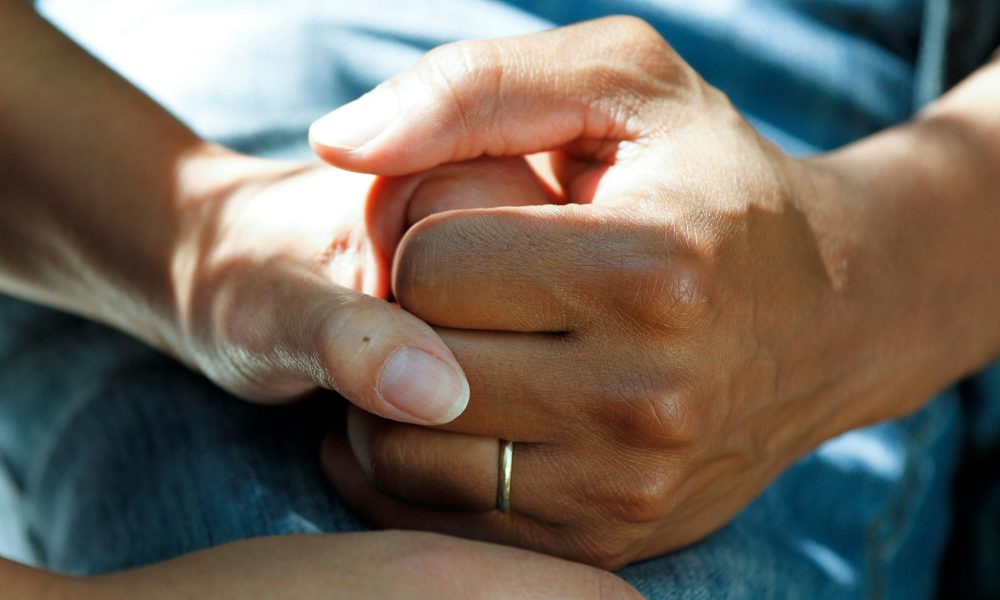
Receiving a cancer diagnosis is an emotional, overwhelming experience, and friends, family, and others who support them may not always know how to best show that support. As a result, it can be difficult for you, as someone who deeply cares for this person and is sad about what happened, to know how to help. If you have a loved one about to begin cancer treatment or has just been diagnosed, help them with whatever they need. However, keeping these points in mind will allow you to best support your loved one during this challenging time.
Be Understanding of Their Changing Moods
It is normal for someone who has been recently diagnosed with cancer to display different emotions at varying times, such as being happy one afternoon and sad, angry, or resentful the following evening, even though nothing has really changed in their life in a practical sense between those two time periods.
If they cry, reassure them that doing so is okay and is a normal response. Also, understand that they may very much want to talk, whether about their diagnosis or about more normal day-to-day things, at some points, but prefer alone time at others.
Be There for Them
Simply being there can help so much. Let them know that you are thinking of them, offer to listen, and if you are taken up on that, listen actively and free of judgment. In addition, refrain from giving advice unless it has been requested. Consider offering to go for a walk with them or sit down for a coffee together somewhere. Combining those two could make for a perfect afternoon.
Offer to do things like run errands for them or wash their dishes. Understand if they refuse, whether because they want to maintain their independence or otherwise, while keeping the offer open, should they change their mind in the future. Regardless, make sure that you are genuinely ready to do anything that you have offered to should it is accepted.
It is usually best to keep your relationship with this person as normal as possible while also being open to discussing their diagnosis and ongoing treatment for it, should they want to talk about that as well.
Perhaps most importantly, do not show support right after the diagnosis and then disappear in the weeks and months following. Your loved one will be experiencing challenges for some time to come and will greatly appreciate continued support throughout this time, not just at the start.
Things to Avoid
Generally, there are a few things that you should avoid doing when interacting with your friend or relative who has been diagnosed with cancer. Even though your heart is in the right place, note that saying things like “Fight it” and “Be strong” can cause them to feel unnecessary pressure and stress.
Be wary of saying that you understand how they feel. Even if you are a cancer survivor yourself, it is likely that your experience and theirs will be different. Understand that they may communicate being upset and withdrawing from you from time to time. Avoid taking that personally.
If you have a friend or family member recently diagnosed with cancer, just try to show up for them. Everyone will have different needs, and it’s important to remember that the person’s feelings are more important than your own. While you mean well, offering your support, you need to take direction from what the other person wants. They might want to talk about a movie they just watched or have you walk their dog instead of you deep-cleaning their house, and that’s okay too. Your support should be based on what they need while starting this new journey, not on what you think they need.




