
Amicus Outlines Correction Paths
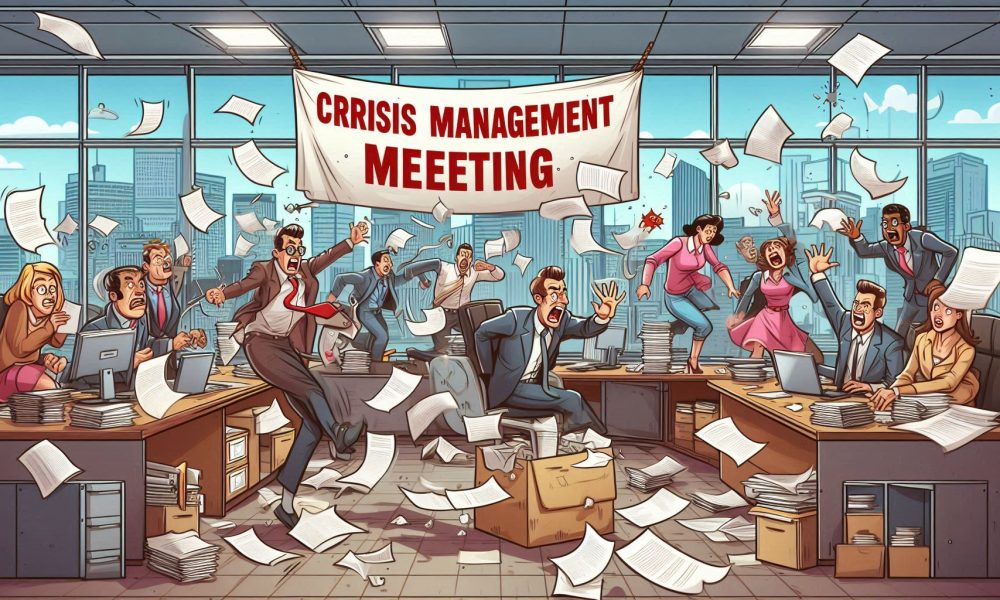
VANCOUVER, British Columbia, August 19, 2025 — In today’s fast-moving media cycle, an executive misstatement can spark a reputational crisis within minutes. Whether the misstatement occurs during a live interview, a press briefing, or a financial call, the consequences can be far-reaching. Stock values may fluctuate, regulators may demand clarifications, and customers may feel misled. Amicus International Consulting today released new guidance on how companies can salvage brand reputation after such incidents, outlining structured correction paths designed to restore trust.
The guidance emphasizes that misstatements are not only about the words spoken but about the perception they create. In an environment where social media amplifies errors instantly, the failure to address a misstatement quickly can cause more damage than the original mistake. Amicus highlights the importance of rapid acknowledgment, transparent correction, and sustained media relationship rebuilding.
Executive Misstatements as a Category of Crisis
Unlike product recalls or data breaches, executive misstatements represent a uniquely personal form of crisis. The words of an executive are often interpreted as the voice of the company itself. A misstatement may create confusion about corporate strategy, safety commitments, or financial performance. If left uncorrected, it may invite regulatory inquiries or lawsuits.
Amicus consultants note that executives sometimes attempt to minimize the impact by ignoring the misstatement or framing it as “taken out of context.” Such approaches are rarely practical. Journalists and the public generally perceive them as evasive. The safer path is to correct the record clearly and promptly.
Amicus Correction Paths
Amicus outlines three correction paths depending on the severity of the misstatement:
Immediate Clarification Path. For misstatements that are factual but minor, such as misstating a statistic or date, companies should issue a correction within hours. A short statement, posted on official channels, is usually sufficient.
Formal Retraction Path. For misstatements that could mislead stakeholders or regulators, companies should issue a formal retraction, explain the error, and provide accurate information. This approach demonstrates accountability and reduces legal exposure.
Rebuilding Relationship Path. For misstatements that damage trust with journalists, regulators, or customers, a sustained campaign is required. This includes verified timelines, detailed explanations, and proactive engagement with media outlets to rebuild credibility.
Amicus emphasizes that choosing the right path requires careful assessment of the misstatement’s impact, the audience it reached, and the level of misunderstanding it created.
The Role of Transparency and Accountability
Transparency is central to recovery after a misstatement. Executives must acknowledge the error without shifting blame. Phrases such as “we recognize the statement made yesterday was inaccurate, and we are issuing this clarification to ensure our stakeholders have the correct information” demonstrate accountability.
Amicus scripts include acknowledgment language, correction phrasing, and closing statements that emphasize ongoing commitment to accuracy. These scripts are designed to avoid a defensive tone and instead communicate humility.
Case Study: Travel Company Rebuilds Media Relationships
Amicus analyzed a travel company that faced backlash after an executive misstated government approval timelines for a new route. In a live interview, the executive claimed that regulatory clearance had already been secured, when in fact approvals were pending. The misstatement created confusion among investors, media outlets, and customers, who believed that flights would launch sooner than possible.
Initially, headlines accused the company of misleading the public. Social media amplified the error, and competitors seized on the misstatement to position themselves as more transparent.
Within 24 hours, the company shifted course. It published a verified timeline on its website, retracting the inaccurate claim and clarifying the actual status of regulatory approvals. It also distributed corrections to journalists who had reported the initial statement, providing clear documentation.
Over the next six weeks, the company scheduled interviews with respected industry outlets, emphasizing its commitment to transparency. By proactively answering questions, the company reframed the narrative. Media coverage shifted from accusations of dishonesty to recognition of improved openness. Within three months, the company’s trust scores in customer surveys rose by 18 percent compared to pre-crisis levels.
This case illustrates that misstatements, while damaging, do not have to define a brand permanently. With structured correction paths and transparent communication, companies can recover credibility and even strengthen media relationships.
Why Executives Misstate Information
Amicus research identifies several recurring reasons why executives issue misstatements:
Over-optimism during interviews can lead to exaggerated claims.
Pressure from analysts or investors can prompt premature disclosures.
Misinformation from within the company, where executives are briefed with incomplete data.
Attempted reassurance, where an executive downplays challenges to avoid alarming stakeholders.
Recognizing these drivers is critical. Amicus advises boards to implement stricter briefing protocols before executives engage with the media, ensuring that all statements are fact-checked and risk-assessed.
The Importance of Verified Timelines
One of the most effective tools in correcting a misstatement is publishing a verified timeline. By laying out events in chronological order, companies can demonstrate transparency, reduce speculation, and provide journalists with a reliable reference. Verified timelines help counter narratives that executives are hiding information or manipulating facts.
Amicus provides templates for verified timelines that include key dates, decision points, and status updates. These documents are distributed both internally and externally, ensuring consistency of message.
Media Relationship Rebuilding
A misstatement damages not only public trust but also journalist relationships. Reporters rely on company spokespeople for accurate information. If they feel misled, they may become more skeptical in future coverage.
Amicus advises companies to treat journalists as long-term partners. After a misstatement, proactive engagement is necessary. This may involve follow-up briefings, providing exclusive access to accurate data, or offering corrections before publication deadlines. By investing in these relationships, companies can re-establish themselves as reliable sources.
Internal Communications and Employee Confidence
A misstatement also affects employees, who may feel uncertain about the company’s direction. Amicus emphasizes that internal communication is as important as external messaging. Employees must hear directly from leadership about what was misstated, why it happened, and how it is being corrected. Clear internal communication prevents rumor circulation within the organization and helps employees answer external inquiries with confidence.
Legal and Regulatory Considerations
Some misstatements carry legal consequences, especially when they involve financial disclosures or safety claims. Regulators may view inaccurate statements as misleading investors or consumers. Amicus scripts are carefully drafted to meet regulatory requirements while minimizing liability. They focus on correcting the record without introducing speculative or unverifiable claims.
Case Study Extension: Travel Company’s Long-Term Recovery
The travel company in the case study continued its recovery strategy beyond immediate correction. Six months after the incident, it introduced a new executive media training program. All senior leaders underwent intensive workshops on message discipline, crisis phrasing, and avoiding speculative statements.
The company also instituted a “dual confirmation” process, where sensitive statements about approvals, financial results, or partnerships required verification from both the legal and compliance departments before being shared publicly.
This disciplined approach ensured that no executive would again make claims that could not be substantiated. Analysts later cited the company’s improved communication policies as a model for the industry.
Amicus Recommendations for Companies Facing Misstatements
Based on years of crisis consulting, Amicus recommends that companies implement the following measures:
Draft correction scripts in advance for common misstatement scenarios.
Create verified timeline templates to provide immediate transparency.
Train executives in live interview discipline, including how to pause before answering sensitive questions.
Establish escalation protocols for approving public statements.
Engage media proactively after corrections to rebuild credibility.
Monitor sentiment continuously to measure recovery progress.
Companies that adopt these measures are far better positioned to handle inevitable misstatements without long-term damage.
Building Resilience Through Preparedness
Amicus stresses that the best way to handle a misstatement is to anticipate it. No executive is immune to mistakes. The difference lies in whether companies have prepared correction paths and communication frameworks. By investing in preparedness, companies create resilience.
The guidance released by Amicus is part of a broader suite of crisis readiness tools, including recall communication scripts, social media holding statements, and employee briefing templates. Together, these tools give companies the confidence to respond decisively in high-pressure situations.
Conclusion
Executive misstatements can cause significant reputational harm, but they do not have to define a brand’s future. With immediate acknowledgment, transparent corrections, and sustained media engagement, companies can recover credibility. Amicus International Consulting’s correction paths provide structured options for handling different types of misstatements, ensuring that brands remain accountable while safeguarding long-term trust.
The travel company case study illustrates that even serious errors can be corrected when companies act with discipline. By publishing a verified timeline, retracting a misleading claim, and rebuilding relationships with journalists, the company not only repaired its reputation but also emerged with stronger communication practices.
Amicus urges companies to adopt corrective paths before the next misstatement occurs. In an age where a single phrase can dominate headlines, reputation salvage depends less on perfection and more on preparation.
Contact Information
Phone: +1 (604) 200-5402
Email: [email protected]
Website: www.amicusint.ca




