
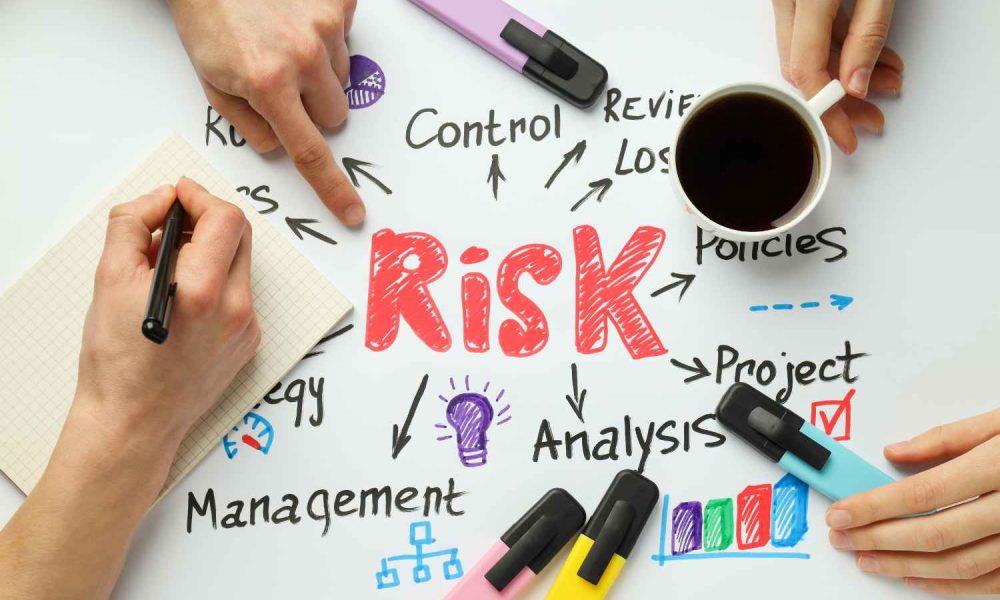
In an era where uncertainty is the only constant, new global crises are emerging frequently, threatening the stability of every aspect of our lives. From extreme climate change to global pandemics, it is clear that the business and organizational world must be prepared for any scenario. Effective risk management is no longer a luxury, but a vital tool for survival and prosperity.
In this complex reality, organizations must internalize the importance of advance planning, identification, and assessment of potential risks. You must be prepared for any scenario, from supply chain disruptions to sophisticated cyberattacks. Proper risk management allows you not only to minimize damage, but also to seize new opportunities that arise in the wake of crises. Don’t wait until the last minute – invest now in building organizational resilience and secure your future.
What are the Lessons of the Coronavirus for Risk Management?
The coronavirus pandemic, without a doubt, was a crucial turning point that powerfully highlighted the importance of risk management in the modern era. This global crisis spared no sector or industry, and it exposed many weaknesses in supply chains, IT systems, and the financial preparedness of many organizations. To ensure your future, you must internalize the following lessons:
Supply Chain Disruptions: The coronavirus exposed how vulnerable global supply chains are. Border closures, factory shutdowns, and port delays led to severe shortages of raw materials and finished goods. As a result, many organizations had to deal with production delays, rising costs, and lost revenue. The lesson is clear: you must build comprehensive backup plans, establish relationships with alternative suppliers, and diversify your sources of supply. Do not rely on a single supplier or a single geographic region.
Transition to Remote Work: Lockdowns and social restrictions forced many organizations to move their employees to work from home immediately. This sudden transition created new challenges in the areas of information security, employee management, and maintaining productivity. Remotely connected employees are more exposed to cyber threats, and organizations must invest in advanced IT systems, security training, and tools to manage increased cyber risks.
Liquidity Management: The coronavirus caused sharp declines in the revenues of many organizations, highlighting the importance of rigorous financial liquidity management. Companies that held adequate cash reserves were able to weather the crisis more easily, while others had to lay off employees, close branches, or even go bankrupt. You must ensure that you have enough cash to cover your fixed expenses, even during periods of declining revenue. Consider diversifying your sources of funding and managing your debts responsibly.
Flexibility and Rapid Response: The crisis taught us that organizations must be flexible and respond quickly to unforeseen changes. Your risk management strategies should be dynamic and adapt to changing conditions rapidly. Be prepared to change your work plans, adapt your products and services to new needs, and communicate with your customers in a transparent and reliable manner.
Scenario Planning: One of the most important tools in risk management is scenario planning. You must prepare different scenarios for extreme situations, such as a global pandemic, economic recession, or natural disaster. For each scenario, you must develop detailed contingency plans that will allow you to respond quickly and effectively.
Crisis Communication: During a crisis, effective communication is critical to maintaining the trust of your customers, employees, and partners. You must provide reliable and real-time information to all stakeholders, and be open to their questions and concerns. Ensure orderly internal communication to ensure that all employees are aware of the situation and their role.
Reputation Management: The crisis may damage your reputation, so you must manage your relationship with your customers in a sensitive and empathetic manner. Act quickly to fix malfunctions and poor service, and be prepared to apologize for mistakes. Remember, your reputation is a valuable asset, and you must protect it at all costs.
Internalizing the lessons of the coronavirus and integrating them into your risk management strategies is essential to securing your business future. Do not ignore the warning signs, invest in preparedness, and be prepared for any scenario.
What Other Lessons from Global Crises are Important?
While the coronavirus pandemic has provided us with important and particularly relevant lessons, it is important to remember that global crises come in many different forms. Natural disasters, financial crises, cyber wars, and geopolitical events – all can significantly impact organizations around the world. To be truly prepared, you must internalize lessons learned from these crises and integrate them into your risk management strategies.
Crises Can Be Internal and External: Don’t focus only on external threats. Crises can also stem from internal problems, such as mismanagement, fraud, or technological failures. Risk management should address a wide range of possible threats, both internal and external.
Rapid and Public Response: Crises can severely damage your reputation. A rapid, transparent, and responsible response is critical to restoring public trust and minimizing reputational damage. Do not try to hide the problem or deny your responsibility. Be open and honest with your customers, employees, and partners.
Proactive Systems for Risk Management and Privacy Protection: Don’t wait for a crisis to start thinking about risk management. Invest in systems to prevent crises and manage risks before they occur. This includes information security systems, business continuity plans, and privacy protection protocols.
Transparency with Customers: Maintaining transparency and credibility with customers is essential to maintaining their loyalty and minimizing reputational damage. Update your customers regularly on the situation and the steps you are taking to resolve the problem.
Quality Management and Lessons Learned: Implementing rigorous quality management systems and regularly learning lessons from crises are essential to preventing recurrence. Analyze the reasons that led to the crisis, identify your vulnerabilities, and fix them.
Empathy and Sensitive Communication: Managing sensitive crises requires empathy and effective communication with all involved. Understand the needs and concerns of your customers, employees, and partners, and respond to them in a sensitive and considerate manner.
Investment in Safety Measures and Risk Management: Early investment in safety measures and risk management can prevent serious disasters and significant malfunctions. Do not skimp on these investments, as they can save you a lot of money in the long run.
Making Difficult Decisions: Sometimes painful and necessary decisions are required to save the organization in a crisis. Be prepared to make difficult decisions, even if they are unpopular.
Strong and Transparent Leadership: Strong leadership and transparent communication with employees and the public are essential to restoring trust. Be responsible leaders, set a personal example, and lead your organization through the crisis.
Advance Preparation and Crisis Management Plan: Creating a crisis management plan and a dedicated team to mitigate damage and manage effectively. Make sure that every employee has a defined role in the plan, and that they know what to do in the event of a crisis.
Post-Crisis Analysis: Conducting an in-depth post-crisis analysis to learn lessons and integrate them into organizational processes. Ask yourself what worked well and what didn’t, and what can be done better next time.
How Will We Integrate These Lessons into Risk Management in 2025?
Integrating past lessons is key to building organizational resilience for the challenges of the future. In 2025, effective risk management will need to be integrated into all areas of your operations, from strategic planning to day-to-day operations. You must integrate lessons from global crises into organizational risk management plans, focus on preparedness, flexibility, and rapid response to crises, and strengthen transparent and reliable communication with all stakeholders.
In addition, invest in technology, cyber and information security, build financial resilience and the ability to cope with economic shocks, and conduct continuous monitoring, reassessment, and adaptation of risk management plans to global changes. Only then can you ensure that your organization is prepared for any challenge that comes.




