
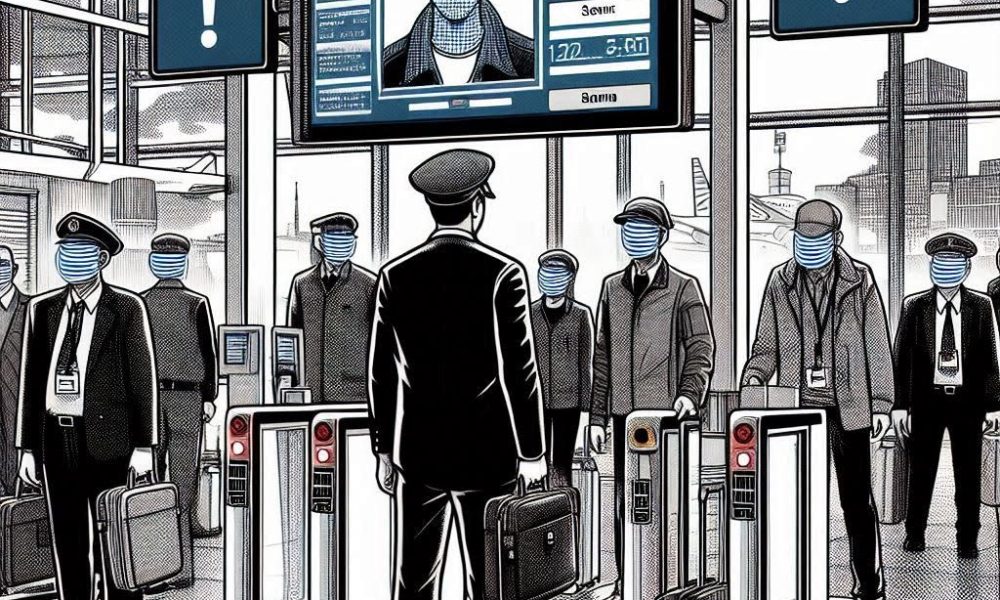
Amicus International Consulting Highlights How Biometric Exit Systems Are Quietly Stopping Criminals at the Gate
VANCOUVER, BRITISH COLUMBIA — In the shadow of every international departure gate, a silent revolution in law enforcement is unfolding. As travellers queue to board flights, facial recognition systems quietly compare their faces to biometric watchlists. In an era of digital footprints and international mobility, criminals are increasingly learning that the border is not where their escape begins — it’s where it ends.
The United States and several others have implemented facial recognition as part of their biometric exit programs, scanning millions of departing travellers annually. For those with outstanding warrants, fake identities, or Red Notices issued by INTERPOL, vanishing into thin air is becoming increasingly challenging.
How Facial Recognition Technology Works at Departure Points
Facial recognition systems used at airports are connected to various government databases. These include:
- The FBI’s criminal databases
- DHS terrorist screening systems
- Visa overstay watchlists
- INTERPOL Red Notices
- Outstanding state and federal warrants
The process is seamless and sophisticated. As passengers board, cameras snap high-resolution images, which are instantly compared to stored biometric data. If a match is found to a wanted individual, alerts are triggered in seconds, and border officials act swiftly, often before the plane’s boarding door closes.
Real Case Studies: Arrests at the Gate
This technology is not theoretical — it’s stopping fugitives in real time. Several recent cases highlight its effectiveness:
Case Study 1: Fraud Fugitive Caught at JFK
In February 2024, the U.S. Customs and Border Protection (CBP) flagged a man attempting to board a flight to Dubai at JFK International Airport. Facial recognition software identified him as a fugitive wanted in New Jersey for a $3.2 million Ponzi scheme. He had shaved his head and travelled under a fake passport, but biometric data from a prior arrest betrayed him.
Case Study 2: Human Trafficker Nabbed in Dallas
At Dallas-Fort Worth International Airport in July 2023, CBP officers stopped a woman using a forged Guatemalan passport. Facial recognition flagged her identity, matching her to a human trafficking investigation in El Salvador. The woman had previously eluded authorities for over a year.
Case Study 3: Visa Overstayer in Los Angeles
A Brazilian national with an expired student visa and multiple failed asylum attempts tried to flee the country via LAX. Facial recognition linked him to a history of fraudulent visa applications. ICE officers detained him minutes before his flight.
Amicus International Consulting on the Front Lines of Privacy and Identity Security
Amicus International Consulting, a global leader in legal identity change and second passport services, emphasizes the double-edged nature of facial recognition technologies.
“On the one hand, these systems protect borders and ensure security,” said an Amicus employee. “But they also highlight the growing need for individuals, especially political dissidents, whistleblowers, and others at risk of persecution, to consider legal pathways to protect their identity and travel rights.”
Amicus assists clients worldwide in obtaining legal second citizenships, managing name change procedures, and securing Tax Identification Numbers (TINS) to facilitate secure offshore banking and residency.
Facial Recognition Expanding Global Reach
The U.S. isn’t alone in deploying this technology. Countries like the United Arab Emirates, Singapore, China, and the United Kingdom also integrate facial recognition into their border security protocols.
The United Arab Emirates, for example, recently expanded its facial recognition efforts beyond the airport to include metro stations and shopping centers. Technology has become ubiquitous in everything from withdrawing cash to enforcing public safety laws in China. In the U.K., Heathrow Airport has rolled out facial recognition for select international flights.
Amicus notes that even legal travellers may find themselves flagged due to errors, outdated information, or name mismatches as these systems become more widespread.
Risks of Mistaken Identity
False positives remain a concern. Although facial recognition algorithms have become more accurate, they are not infallible. Studies have shown that racial and ethnic biases can influence recognition accuracy.
In a 2023 study by the National Institute of Standards and Technology (NIST), specific facial recognition models had higher error rates when identifying people of African, Asian, and Middle Eastern descent. These disparities have led to unjust detentions, legal challenges, and emotional distress.
“We’ve helped clients who were stopped based on outdated or misattributed data,” said the Amicus employee. “Sometimes, a legal name change or second passport is the best way to correct a record and prevent future issues.”
When a New Identity Is the Only Protection
Amicus International Consulting offers discreet legal solutions for clients fleeing corrupt regimes, dealing with politically motivated charges, or facing unjust targeting due to whistleblowing or activism. These include:
- Second passports through Citizenship by Investment (CBI) programs
- Legal name changes and document corrections
- Establishment of offshore trusts and banking frameworks
- Travel privacy services and secure residency planning
Amicus offers customized solutions based on jurisdiction, client risk profile, and intended travel or investment objectives.
Legal Pathways — Not Evasion, But Protection
Unlike criminals attempting to forge documents or evade detection, Amicus only works with individuals seeking legal identity and citizenship options. Their team includes immigration attorneys, international law consultants, and risk mitigation experts who ensure all client services adhere to local and international laws.
One success story involves a Southeast Asian journalist placed on a travel watchlist for critical reporting. Through Amicus, she legally changed her name and obtained a second passport through a Caribbean CBI program, enabling her to continue her work safely from abroad.
Another case involved a Venezuelan entrepreneur wrongfully flagged for sanctions violations due to a namesake. With Amicus’ help, he secured a corrected identity profile and new travel documents and resumed international banking operations.

Looking Ahead: The Future of Smart Borders
Facial recognition will soon be ubiquitous at international departure points. With exit systems becoming as robust as entry systems, law enforcement no longer has to rely on chance or tips. The system watches everyone, every time.
While this benefits global security, it also raises urgent questions about surveillance, privacy, and recourse for those caught in the web of bureaucratic error or political persecution.
Amicus International Consulting serves as a critical ally for individuals navigating this complex terrain, offering second citizenship options and peace of mind.
Conclusion
Facial recognition systems at departure gates transform international borders into digital checkpoints where criminal fugitives and visa violators can no longer hide. But for law-abiding individuals unjustly flagged or seeking safer legal pathways, Amicus International Consulting provides a bridge to freedom, safety, and privacy.
In a world where your face may be your passport — or your prison — it pays to understand the systems in place and the legal tools available.
📞 Contact Information
Phone: +1 (604) 200-5402
Email: [email protected]
Website: www.amicusint.ca
Follow Us:
🔗 LinkedIn
🔗 Twitter/X
🔗 Facebook
🔗 Instagram