
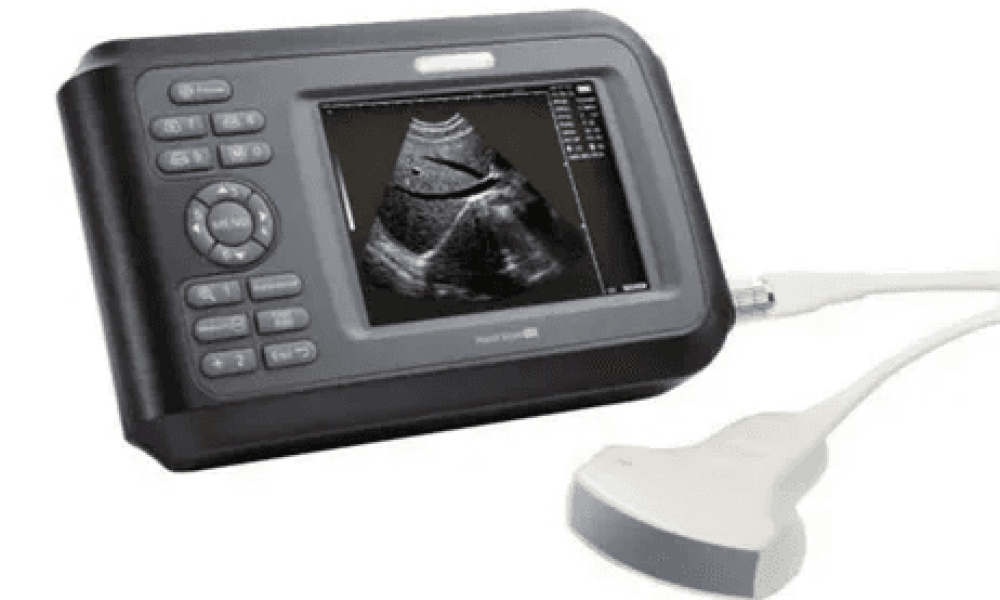
The global handheld ultrasound scanner market is poised for steady growth, with projections indicating a rise from USD 511.8 million in 2024 to USD 750.3 million by 2034, at a CAGR of 3.90%. This growth is fueled by technological advancements, increasing demand for point-of-care diagnostics, and rising healthcare accessibility worldwide.
Handheld ultrasound scanners are transforming medical imaging by offering portability, affordability, and real-time diagnostics. Their increasing adoption in emergency care, rural healthcare settings, and home-based monitoring is reshaping traditional diagnostic procedures. These devices provide instant imaging solutions for clinicians, improving patient outcomes through early disease detection and timely intervention.
𝐑𝐞𝐪𝐮𝐞𝐬𝐭 𝐚 𝐒𝐚𝐦𝐩𝐥𝐞 𝐂𝐨𝐩𝐲 𝐨𝐟 𝐓𝐡𝐢𝐬 𝐑𝐞𝐩𝐨𝐫𝐭 𝐍𝐨𝐰: https://www.futuremarketinsights.com/report-sample#5245502d47422d35313037
The market is further driven by rising investments in healthcare innovation, growing preference for minimally invasive procedures, and the need for cost-effective diagnostic solutions. As the industry shifts toward AI-enhanced imaging and wireless connectivity, handheld ultrasound scanners are expected to become a mainstay in modern healthcare practices.
𝐊𝐞𝐲 𝐓𝐚𝐤𝐞𝐚𝐰𝐚𝐲𝐬:
Market Expansion: Expected to reach USD 750.3 million by 2034, with a 3.90% CAGR
Growing Adoption: Increasing use in point-of-care, emergency medicine, and rural healthcare
Technological Advancements: AI integration and wireless ultrasound imaging gaining traction
Future Outlook: Demand driven by affordable, real-time, and portable diagnostic solutions
𝐀 𝐅𝐮𝐥𝐥 𝐑𝐞𝐩𝐨𝐫𝐭 𝐎𝐯𝐞𝐫𝐯𝐢𝐞𝐰 – https://www.futuremarketinsights.com/reports/handheld-ultrasound-scanners-market
𝐖𝐡𝐚𝐭 𝐚𝐫𝐞 𝐭𝐡𝐞 𝐤𝐞𝐲 𝐟𝐚𝐜𝐭𝐨𝐫𝐬 𝐝𝐫𝐢𝐯𝐢𝐧𝐠 𝐭𝐡𝐞 𝐠𝐫𝐨𝐰𝐭𝐡 𝐨𝐟 𝐭𝐡𝐞 𝐡𝐚𝐧𝐝𝐡𝐞𝐥𝐝 𝐮𝐥𝐭𝐫𝐚𝐬𝐨𝐮𝐧𝐝 𝐬𝐜𝐚𝐧𝐧𝐞𝐫 𝐦𝐚𝐫𝐤𝐞𝐭?
The handheld ultrasound scanner market is experiencing growth due to the following factors:
- Increasing Demand for Point-of-Care Diagnostics: The growing need for immediate and accurate diagnostic solutions is driving the demand for handheld ultrasound scanners. These devices provide healthcare professionals with real-time imaging capabilities, allowing for prompt diagnosis and improved patient outcomes.
- Advancements in Technology: Technological advancements have significantly enhanced the performance and capabilities of handheld ultrasound scanners. Features such as wireless connectivity, cloud-based storage, and advanced imaging algorithms have improved the accuracy and efficiency of these devices. The rising innovations in developing AI-enabled tools and software for portable ultrasound devices are assisting clinicians in real-time diagnosis with improved efficacy and accuracy.
- Rising Adoption in Emerging Economies: The adoption of handheld ultrasound scanners is witnessing rapid growth in emerging economies, primarily due to the need for cost-effective and portable medical devices in resource-limited settings. The availability of affordable handheld scanners has expanded their usage in these regions.
- Increasing Geriatric Population: With the global population aging rapidly, there is a higher prevalence of chronic diseases and the need for regular medical evaluations. Handheld ultrasound scanners offer a convenient and efficient solution for monitoring and diagnosing age-related conditions.
- Growing Emphasis on Telemedicine and Remote Monitoring: The increasing use of telemedicine and remote monitoring has allowed healthcare providers to remotely assess and monitor patients.
- Rising Prevalence of Chronic Diseases: The increasing incidence of conditions like cardiovascular disease, cancer, and neurological disorders is fueling demand for handheld ultrasound devices for early detection and monitoring. Cardiovascular disease is the leading cause of death globally, accounting for an estimated 17.9 million deaths in 2019, or 32% of all global deaths.
- Portability and Ease of Use: Rising demand for portable handheld ultrasound scanners can be mainly attributed to their portability and ease of use. These scanners come with various interchangeable transducers to suit different imaging needs.
- AI and ML Integration: Rapid adoption of Artificial Intelligence (AI), Internet of Things (IoT), and Machine Learning (ML) in the medical industry and significantly increasing investments in product research & development activities are major factors driving market revenue growth.
- Cost-Effectiveness: Handheld ultrasound scanners offer cost-effectiveness, convenience, and ease of use compared to traditional ultrasound machines.
𝐇𝐚𝐧𝐝𝐡𝐞𝐥𝐝 𝐮𝐥𝐭𝐫𝐚𝐬𝐨𝐮𝐧𝐝 𝐬𝐜𝐚𝐧𝐧𝐞𝐫𝐬 𝐨𝐟𝐟𝐞𝐫 𝐬𝐞𝐯𝐞𝐫𝐚𝐥 𝐚𝐝𝐯𝐚𝐧𝐭𝐚𝐠𝐞𝐬 𝐨𝐯𝐞𝐫 𝐭𝐫𝐚𝐝𝐢𝐭𝐢𝐨𝐧𝐚𝐥 𝐮𝐥𝐭𝐫𝐚𝐬𝐨𝐮𝐧𝐝 𝐦𝐚𝐜𝐡𝐢𝐧𝐞𝐬, 𝐩𝐚𝐫𝐭𝐢𝐜𝐮𝐥𝐚𝐫𝐥𝐲 𝐢𝐧 𝐭𝐞𝐫𝐦𝐬 𝐨𝐟 𝐜𝐨𝐬𝐭 𝐚𝐧𝐝 𝐚𝐜𝐜𝐞𝐬𝐬𝐢𝐛𝐢𝐥𝐢𝐭𝐲, 𝐛𝐮𝐭 𝐭𝐡𝐞𝐲 𝐚𝐥𝐬𝐨 𝐡𝐚𝐯𝐞 𝐥𝐢𝐦𝐢𝐭𝐚𝐭𝐢𝐨𝐧𝐬 𝐢𝐧 𝐜𝐞𝐫𝐭𝐚𝐢𝐧 𝐚𝐫𝐞𝐚𝐬.
- Handheld ultrasound devices are generally more cost-effective than traditional systems. For example, the Butterfly iQ is available at roughly 2% of the cost of a traditional ultrasound machine priced at USD 100,000.
- The lower price point makes handheld devices a viable option for healthcare facilities with budget constraints and establishments looking to diversify their diagnostic equipment without major capital spending.
- They can potentially reduce overall healthcare costs by minimizing the need for more expensive imaging modalities or unnecessary referrals.
𝐄𝐟𝐟𝐞𝐜𝐭𝐢𝐯𝐞𝐧𝐞𝐬𝐬:
- Portability and Accessibility: Handheld devices are compact and lightweight, making them easy to move between patient rooms and to off-site locations, such as emergency calls or home visits. This portability improves flexibility within clinical settings.
- Ease of Use: Handheld ultrasound devices are designed to be user-friendly and can be used by healthcare professionals with varying levels of expertise. Some even incorporate AI algorithms to assist with real-time image interpretation, making them more accessible to all users.
- Early Diagnosis and Screening: They facilitate early diagnosis and screening of various medical conditions in internal medicine and primary care. Clinicians can identify health issues more quickly and during their early stages, enabling timely interventions.
- Patient Comfort: Handheld ultrasound devices are less intimidating and more comfortable for patients, especially those who may feel anxious or claustrophobic in traditional imaging settings.
- Diagnostic Capabilities: Some handheld devices offer the same diagnostic capabilities as traditional ultrasound machines.
𝐋𝐢𝐦𝐢𝐭𝐚𝐭𝐢𝐨𝐧𝐬:
- Probe Options and Range of Examinations: Handheld devices may have limitations in terms of probe options and the range of examinations they can perform compared to larger, traditional ultrasound machines.
- Image quality: Effective ultrasound diagnostics rely on clear, high-resolution images. While handhelds are improving, traditional machines may still provide superior image clarity.
𝐊𝐞𝐲 𝐏𝐥𝐚𝐲𝐞𝐫𝐬 𝐢𝐧 𝐭𝐡𝐞 𝐇𝐚𝐧𝐝𝐡𝐞𝐥𝐝 𝐔𝐥𝐭𝐫𝐚𝐬𝐨𝐮𝐧𝐝 𝐒𝐜𝐚𝐧𝐧𝐞𝐫 𝐌𝐚𝐫𝐤𝐞𝐭
- GE Healthcare
- Siemens Healthineers
- Philips Healthcare
- Fujifilm Holdings Corporation
- Canon Medical Systems Corporation
- Hitachi, Ltd.
- Samsung Medison
- Mindray Medical International Limited
- Esaote S.p.A.
- Clarius Mobile Health
𝐃𝐢𝐚𝐠𝐧𝐨𝐬𝐭𝐢𝐜 𝐃𝐞𝐯𝐢𝐜𝐞𝐬 𝐈𝐧𝐝𝐮𝐬𝐭𝐫𝐲 𝐀𝐧𝐚𝐥𝐲𝐬𝐢𝐬: 𝐌𝐚𝐫𝐤𝐞𝐭 𝐓𝐫𝐞𝐧𝐝𝐬, 𝐓𝐫𝐚𝐝𝐞 𝐈𝐧𝐬𝐢𝐠𝐡𝐭𝐬 & 𝐆𝐫𝐨𝐰𝐭𝐡 𝐏𝐫𝐨𝐣𝐞𝐜𝐭𝐢𝐨𝐧𝐬 𝐀𝐜𝐫𝐨𝐬𝐬 𝟐𝟎+ 𝐂𝐨𝐮𝐧𝐭𝐫𝐢𝐞𝐬 – https://www.futuremarketinsights.com/industry-analysis/diagnostic-devices
𝐇𝐚𝐧𝐝𝐡𝐞𝐥𝐝 𝐔𝐥𝐭𝐫𝐚𝐬𝐨𝐮𝐧𝐝 𝐒𝐜𝐚𝐧𝐧𝐞𝐫 𝐌𝐚𝐫𝐤𝐞𝐭 𝐒𝐞𝐠𝐦𝐞𝐧𝐭𝐚𝐭𝐢𝐨𝐧
By Modality:
- Wired
- Wireless
By Display:
- Black & White Display
- Color Display
By End User:
- Hospitals
- Diagnostic Centers
- Ambulatory Surgical Centers
- Others
By Region:
- North America
- Latin America
- Western Europe
- Eastern Europe
- Asia Pacific (APAC)
- Middle East & Africa (MEA)
- Japan




