
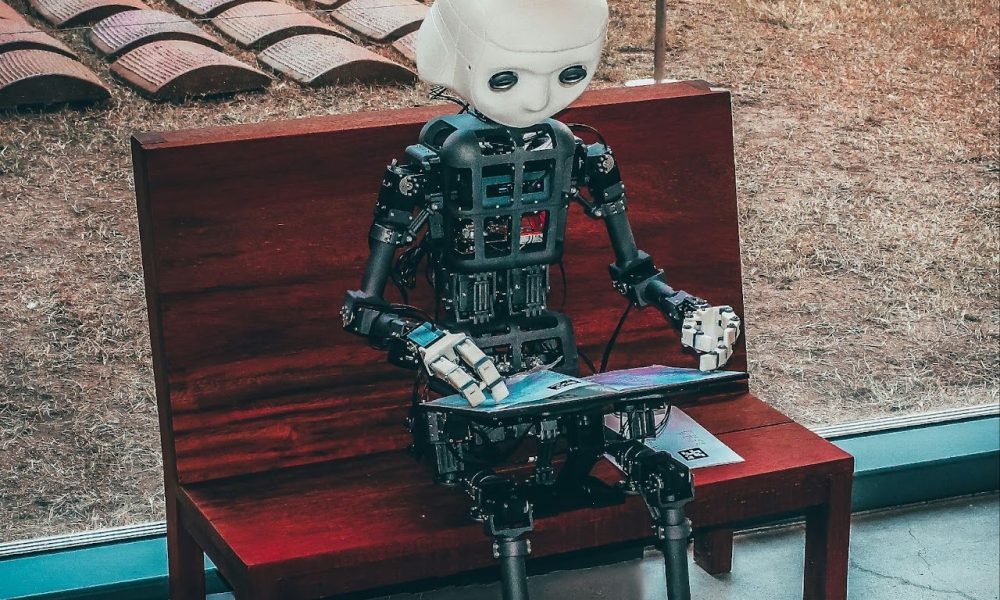
What if a computer could tell a story that made you laugh, cry, or feel inspired? As artificial intelligence (AI) becomes more advanced, it is learning not just how to perform tasks, but how to understand and express human emotions. One of the most fascinating ways this is happening is through storytelling.
AI emotion in storytelling means that machines can now help create stories with characters who feel joy, sadness, fear, or love, just like the ones written by people. By recognizing and using emotions, AI can craft narratives that connect with us on a personal level.
This emotional connection is becoming increasingly important in our digital world. Whether in education, entertainment, therapy, or marketing, emotionally aware AI can make experiences more engaging and meaningful. It allows us to use technology in ways that reflect our own human experiences. By combining AI with emotional storytelling, this opens the door to new creative possibilities for both creators and audiences as we continue to grow alongside technology.
Sometimes, the hardest part of telling a story or sharing an idea is finding the right words to match what we feel or mean. This is where AI can be a powerful tool. By analyzing language patterns and understanding context, AI can suggest words, phrases, or even full sentences that capture the message we’re trying to convey. It can help clarify our thoughts, offer alternatives we hadn’t considered and make our writing more impactful. Rather than replacing our voice, AI acts like a creative partner and helps us say what we truly mean, especially when the right words feel just out of reach.
One major benefit is how AI can help generate ideas. Whether you’re starting from scratch or stuck in the middle of a project, AI can suggest plot points, character traits, settings, or even dialogue based on emotional cues or themes. This can spark new directions and keep the creative process moving. It can also suggest visuals that match the tone or mood of a story, making it easier to imagine scenes or design content that feels emotionally rich. For visual artists, designers, and storytellers, AI becomes a source of inspiration that supports and expands creative thinking.
AI also brings speed and efficiency to the process without losing depth. Instead of spending hours trying to develop just the right mood or emotional arc, creators can use AI to quickly draft and refine their ideas. It helps explore different styles, tones, or emotional outcomes, allowing storytellers to experiment more freely. In many ways, AI encourages creative exploration by removing some of the pressure and letting ideas flow more naturally. With the right tools, it becomes easier to turn a vague feeling into a clear, compelling narrative.
This growing connection between AI and emotion is starting to attract the attention of writers and thinkers who explore the intersection of technology and personal growth. Shane H. Tepper, one author, whose book Dwelling in a Place of Yes touches on AI’s role in emotional storytelling. What started as a playful experiment with AI-generated narratives is now raising a much deeper question: Can AI become a meaningful part of the self-help space? Tepper explores how emotionally intelligent AI can help people process their thoughts, reflect on their experiences, and even guide them toward healing, using the power of storytelling as a supportive tool.
As the exploration between technology and creativity continues, it becomes clear that AI is not here to replace human expression but to support it. Whether it’s helping us find the right words, sparking new ideas, or shaping stories with emotional depth, AI can be a valuable tool in the creative process. It offers writers, artists, and everyday storytellers a new way to connect with their thoughts and their audiences. With the right balance, AI can help us tell more meaningful stories and open the door to deeper understanding in a world that is always changing.
Whether it’s helping us find the right words, sparking new ideas, or shaping stories with emotional depth, AI can be a valuable tool in the creative process. It offers writers, artists, and everyday storytellers a new way to connect with their thoughts and their audiences. With the right balance, AI can help us tell more meaningful stories and open the door to deeper understanding in a world that is always changing. Now is the time to embrace this technology thoughtfully and explore how it can enrich the way we share our stories and connect with one another.




