
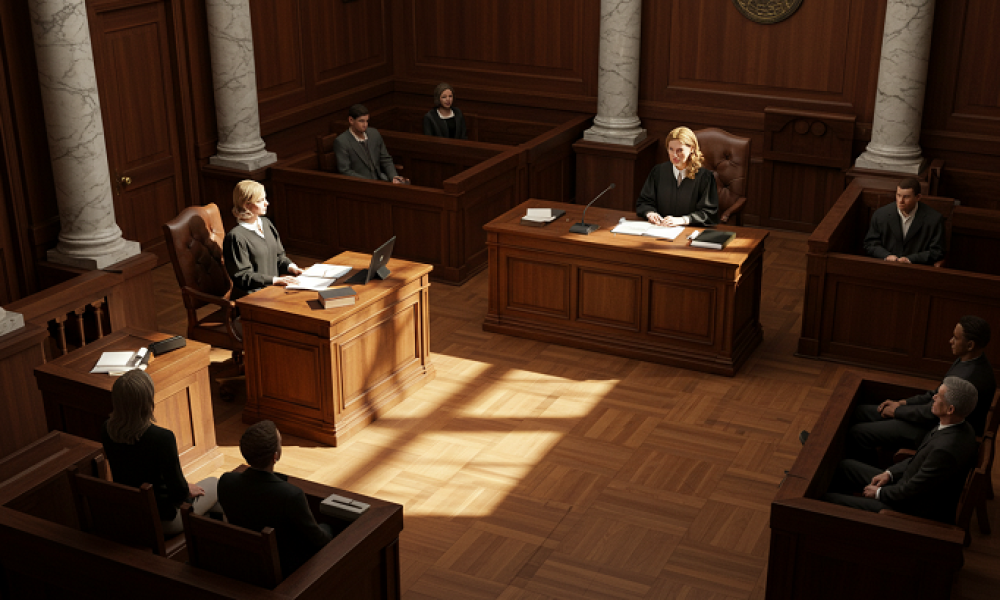
In today’s world, committing a crime sets off a complex process that doesn’t end with just an arrest. From the moment a law is broken to the day a judgment is passed, there are multiple steps in the legal journey that individuals go through. Whether it’s a street-level offense or a white-collar crime committed by a well-known figure, the path from wrongdoing to justice is paved with procedures, investigations, legal arguments, and consequences.
Understanding how this journey unfolds can provide valuable insights into how the justice system operates—and how people from all walks of life, including celebrities, artists, entrepreneurs, and ordinary citizens, can find themselves navigating courtrooms and, in some cases, prison sentences.
Step 1: The Crime Occurs
Every legal journey starts with an alleged offense. This could be anything from theft and fraud to assault or a violation of corporate law. Crimes may be caught in the act, discovered later, or even revealed through whistleblowers and digital footprints.
It’s important to remember that crimes aren’t limited to physical violence or robbery. In modern society, acts like misusing company funds, violating intellectual property laws, or committing online fraud are all considered criminal offenses. High-profile individuals—such as actors, musicians, and business figures—are just as likely to face allegations for these violations as anyone else.
Step 2: Investigation and Evidence Gathering
Once a crime is reported or suspected, the investigation begins. Law enforcement collects evidence through interviews, surveillance footage, phone records, digital data, or forensic analysis. This stage is crucial, as it determines whether there is enough proof to formally charge someone.
Celebrities and influencers often find themselves under the microscope during this stage. Their online presence, public interactions, and financial transactions are thoroughly examined. For example, public figures accused of fraud or misconduct may have their emails and contracts reviewed in depth. The same process applies to regular citizens, though public attention may differ.
Step 3: Arrest and Booking
If evidence points strongly toward a suspect, law enforcement proceeds with an arrest. The suspect is then booked, which involves recording personal details, fingerprinting, and taking photographs. Depending on the crime, the accused might be held in custody or released on bail.
Even public figures are not exempt from this process. In fact, many famous individuals have had their mugshots circulated widely, leading to media coverage that can affect public opinion long before any legal judgment. Being arrested is only the beginning—what follows is a detailed legal process aimed at determining guilt or innocence.
For a wide variety of real-world stories about how people from different professions and backgrounds ended up behind bars—whether artists, singers, or business moguls—you can visit WhyGoToJail where real case details and reasons for incarceration are explored in depth.
Step 4: Formal Charges and Court Appearances
After arrest, the prosecution decides whether to move forward with charges. This decision is based on the strength of the evidence. If charges are filed, the accused will need to appear in court for arraignment, where the charges are formally read, and the individual enters a plea.
In many celebrity cases, the courtroom becomes a place of high drama and media focus. Well-known names may face charges related to tax evasion, business malpractice, or violent conduct. Some plead guilty, while others opt to go through a full trial.
Regular individuals also face this step, though often without the attention or legal resources available to celebrities. Regardless of status, the process treats all accused individuals as equal under the law.
Step 5: Legal Defense and Trial Preparation
Once charges are in place, both sides—defense and prosecution—begin building their cases. This involves gathering witnesses, preparing evidence, and analyzing legal angles. Some people choose private attorneys, while others use public defenders, depending on their financial situation.
Preparation for trial can take weeks or months. Artists or businesspeople facing allegations often hire experienced legal teams, especially in high-stakes situations. During this phase, plea bargains may be offered—allowing the accused to accept a lesser charge in exchange for avoiding trial.
Even when a case doesn’t go to trial, this stage reveals much about how the legal system tries to ensure fairness. Whether it’s a singer facing copyright issues or a company executive dealing with fraud allegations, the process is designed to uncover the truth.
Step 6: The Courtroom Trial
If no settlement or plea deal is reached, the case goes to trial. Here, both the defense and prosecution present arguments before a judge or jury. Witnesses are called, evidence is shown, and both sides cross-examine each other’s claims.
Trials involving celebrities or high-ranking professionals often gain media attention, turning courtrooms into public spectacles. Despite the fame, the trial process remains the same: based on legal standards, factual evidence, and sworn testimony.
For lesser-known individuals, trials can be shorter and more straightforward. However, the impact is still significant, with the outcome often shaping the rest of their lives.
Step 7: Verdict and Sentencing
At the end of the trial, the judge or jury delivers a verdict: guilty or not guilty. If found guilty, sentencing follows. Sentences vary widely, from fines and community service to probation or prison time. Judges consider the severity of the crime, prior records, and other factors when determining punishment.
In recent years, sentencing has included high-profile names from sports, entertainment, and business. These individuals often serve as examples of how the law applies equally. While their stories make headlines, they also highlight how justice functions in real-world cases.
Sentences can also reflect broader societal concerns. For instance, financial crimes may receive harsh sentences due to public outrage, while non-violent offenders may be offered rehabilitation-focused options.
Step 8: Life After the Courtroom
Whether someone is acquitted or serves time, life after a courtroom appearance changes drastically. For those sent to jail, the experience often reshapes their identity, reputation, and career. Some return with a desire to reform and contribute positively; others struggle to regain their previous lives.
This applies to both ordinary citizens and public figures. Artists, influencers, and entrepreneurs have shared stories about life after incarceration—some returning to public life, others fading from view.
Even those who aren’t convicted may face public judgment and lasting damage to their image. That’s why the legal process, from arrest to verdict, has such a profound effect on every aspect of a person’s future.
Final Thoughts
The path from crime to courtroom isn’t a straight line—it’s a complicated journey with many phases, each playing a critical role in the pursuit of justice. Regardless of someone’s background, wealth, or fame, the legal system works to treat all accused individuals fairly, based on facts and laws.
From the initial investigation to sentencing and beyond, each step shapes not only the individual involved but also public perception of justice. Understanding this journey helps us appreciate the importance of legal systems—and the need for awareness and accountability in everyday actions.
For anyone curious about how different people, including well-known names, ended up facing legal consequences, reviewing real-life case studies offers valuable insight. These stories help highlight how a single decision can lead to a long and often challenging road through the justice system.