
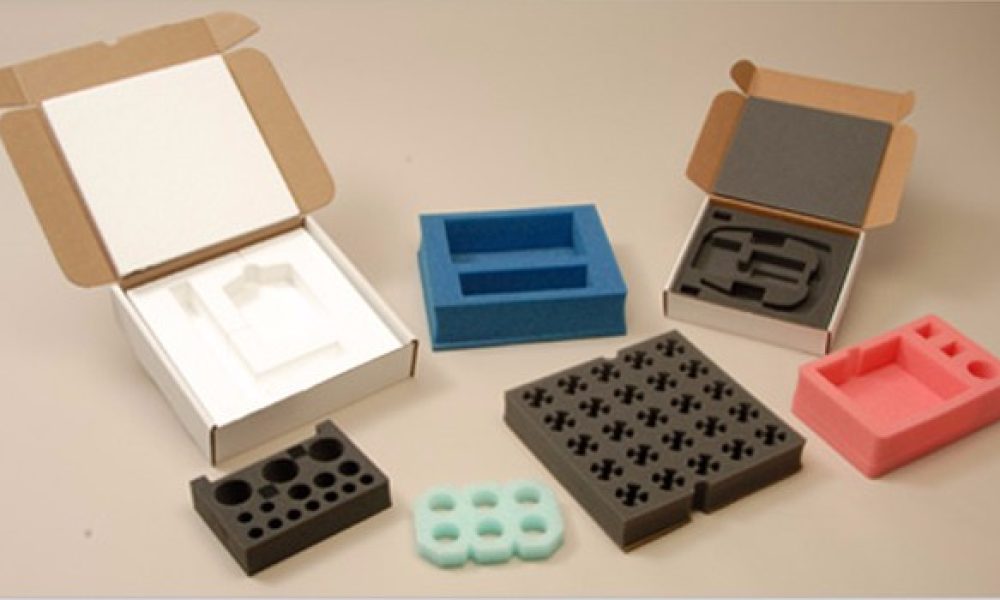
The EPE Foam Packaging Market is witnessing steady expansion as industries increasingly prioritize lightweight, shock absorbing, and cost effective protective packaging solutions. Expanded polyethylene foam has become a preferred material for cushioning fragile products during transit, especially across e commerce logistics networks and global supply chains. According to Persistence Market Research, the global EPE foam packaging market size is likely to be valued at US$2.3 billion in 2026 and is expected to reach US$3.2 billion by 2033. This consistent rise reflects the growing need for durable yet flexible packaging formats across electronics, automotive components, home appliances, and industrial goods. Manufacturers are also focusing on improving material efficiency and recyclability to align with evolving sustainability expectations.
The market is projected to grow at a CAGR of 4.6% between 2026 and 2033, driven by the steady expansion of e commerce logistics, rising shipments of consumer electronics, and sustained demand for lightweight protective materials in automotive and appliance supply chains. Protective foam packaging solutions are gaining traction due to their ability to minimize product damage, reduce shipping costs, and optimize storage space. The leading segment within the market continues to be protective inserts and sheets used in electronics and appliance packaging, as these industries require high impact resistance and precision cushioning. Geographically, Asia Pacific is emerging as the leading region due to rapid industrialization, strong electronics manufacturing ecosystems, and expanding online retail networks.
Download Your Free Sample & Explore Key Insights : https://www.persistencemarketresearch.com/samples/36110
Key Highlights from the Report
➤ The global EPE foam packaging market is projected to rise from US$2.3 billion in 2026 to US$3.2 billion by 2033 at a CAGR of 4.6%.
➤ Rising shipments of consumer electronics are significantly strengthening demand for EPE foam protective packaging solutions worldwide.
➤ Expansion of e commerce logistics networks is accelerating the adoption of lightweight and shock resistant foam packaging materials.
➤ Automotive and appliance supply chains are increasingly integrating EPE foam for transit safety and cost efficiency.
➤ Asia Pacific leads the EPE foam packaging market due to robust electronics production and industrial growth.
➤ Manufacturers are emphasizing recyclable and lightweight foam formats to meet evolving sustainability standards.
Market Segmentation
The EPE foam packaging market can be segmented based on product type, including sheets, rolls, molded foam, and custom protective inserts. Among these, molded foam and custom inserts hold a dominant share due to their application specific designs for electronics and appliances. These formats provide superior cushioning and reduce product vibration during transportation. Sheets and rolls are widely used for wrapping delicate items and surface protection in bulk shipments. The versatility of EPE foam allows it to be customized in varying thicknesses and densities, meeting the diverse requirements of manufacturers. Its moisture resistance and thermal insulation properties further enhance its suitability across multiple industries.
Based on end user industries, the market is segmented into consumer electronics, automotive, appliances, industrial goods, and others. The consumer electronics segment remains the leading contributor due to the high volume of smartphones, televisions, and computing devices shipped globally. Automotive manufacturers rely on EPE foam packaging to protect sensitive components during long distance transport. The appliance industry also utilizes foam inserts to secure large products such as refrigerators and washing machines. Growing cross border trade has strengthened the need for durable protective packaging solutions. Each end user segment demands precision cushioning, cost optimization, and material reliability.
Your Market, Your Way – Click for Custom Version : https://www.persistencemarketresearch.com/request-customization/36110
Regional Insights
Asia Pacific holds a leading position in the EPE foam packaging market owing to its well established electronics manufacturing base and expanding automotive sector. Countries across the region are major exporters of consumer electronics and appliances, which require reliable protective packaging for international shipping. Rapid urbanization and rising disposable incomes have fueled online shopping trends, further boosting demand for EPE foam packaging materials. The presence of large scale manufacturing facilities also supports cost efficient production and supply chain integration.
North America and Europe represent mature yet stable markets driven by consistent demand from automotive and appliance industries. Growth in these regions is supported by well structured logistics infrastructure and increasing focus on product safety during transit. The emphasis on sustainable packaging practices is influencing innovation in recyclable foam solutions. Meanwhile, expanding e commerce platforms continue to generate steady demand for lightweight protective materials. These regions remain key contributors to technological advancements in foam packaging design.
Market Drivers
The primary driver of the EPE foam packaging market is the steady expansion of e commerce logistics. As online retail continues to grow, the volume of shipped products has increased significantly. This surge in shipments requires reliable cushioning materials that prevent damage during handling and transit. EPE foam’s lightweight structure reduces freight costs while ensuring effective impact absorption. Businesses prioritize protective packaging to minimize product returns and enhance customer satisfaction. As logistics networks become more complex, demand for durable and adaptable packaging materials continues to rise.
Another significant growth driver is the rising shipment of consumer electronics worldwide. Smartphones, laptops, and home entertainment devices require precision protective inserts to avoid scratches and internal damage. EPE foam provides customizable designs tailored to product dimensions. Automotive and appliance supply chains also rely heavily on foam packaging to secure components during long haul transportation. Its resistance to moisture and chemicals enhances its performance across varied environmental conditions. These combined factors contribute to sustained market growth at a CAGR of 4.6% through 2033.
Market Restraints
Despite steady growth, the EPE foam packaging market faces challenges related to environmental concerns. Foam based materials are often scrutinized for their disposal and recycling complexities. Increasing regulatory pressure on plastic based packaging may influence production practices and material selection. Companies are required to invest in sustainable alternatives and recycling technologies to remain compliant. Such adjustments can raise operational costs and affect profit margins.
Fluctuations in raw material prices also present a potential restraint for manufacturers. Variability in petrochemical feedstock costs can impact overall production expenses. This may lead to pricing pressures in competitive markets. Additionally, the availability of alternative protective packaging materials, including paper based cushioning solutions, intensifies competition. Businesses must continuously innovate to maintain product differentiation and cost efficiency.
Market Opportunities
The shift toward sustainable packaging solutions presents significant opportunities for the EPE foam packaging market. Manufacturers are exploring recyclable and reusable foam formats to address environmental concerns. Development of eco friendly production processes can enhance brand reputation and attract environmentally conscious clients. Technological advancements in foam density optimization are improving material efficiency. Such innovations enable companies to reduce material usage without compromising protection.
Growing demand from emerging economies also offers promising prospects. Rapid industrialization and expanding manufacturing activities in developing regions are driving packaging requirements. Increasing cross border trade and export activities amplify the need for reliable protective materials. Companies investing in localized production facilities can strengthen their supply chain presence. These factors collectively create favorable growth opportunities beyond 2026.
Secure Your Full Report – Proceed to Checkout : https://www.persistencemarketresearch.com/checkout/36110
Company Insights
Key players operating in the EPE foam packaging market include
- Sealed Air Corporation
- Pregis LLC
- JSP Corporation
- Storopack Hans Reichenecker GmbH
- BASF SE
- Kaneka Corporation
- Mitsubishi Chemical Group Corporation
- Kuraray Co., Ltd.
- Zotefoams plc
- Armacell International S.A.
- Recticel NV/SA
- Signode Industrial Group LLC
- FoamPartner Group
- Plastifoam Company, Inc.
- Wisconsin Foam Products
- UFP Technologies, Inc.
- Dongshin Industry Inc.
- Sanchez Packaging Industries
These companies focus on product innovation, strategic partnerships, and capacity expansion to strengthen market presence.
Recent Developments
In March 2024, a leading packaging manufacturer expanded its production capacity to meet rising demand from e commerce and electronics sectors.
In September 2023, a major foam producer introduced enhanced lightweight protective inserts designed for automotive component shipments.
Future Opportunities and Growth Prospects
The EPE foam packaging market is poised for consistent growth, supported by expanding logistics networks and rising industrial shipments. Continued innovation in recyclable foam solutions and lightweight material optimization will shape competitive strategies. As global trade intensifies and product safety standards evolve, demand for advanced protective packaging is expected to strengthen steadily through 2033.




