
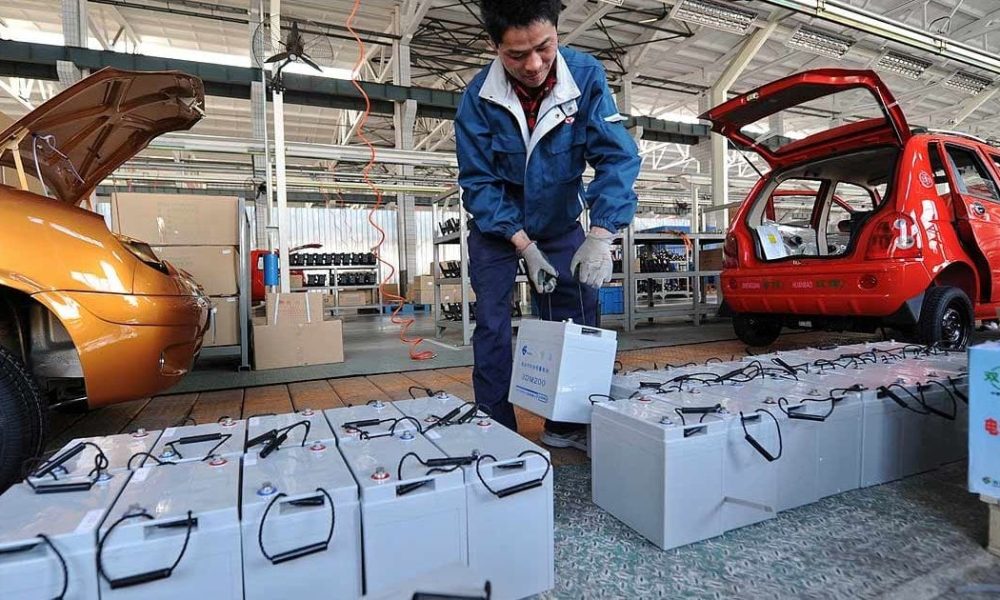
The electric vehicle (EV) battery recycling market involves the collection, processing, and reuse of end-of-life batteries from electric vehicles to recover valuable materials and reduce environmental impact. As the adoption of electric vehicles continues to grow worldwide, there is increasing focus on the sustainable management of EV batteries at the end of their life cycle. EV battery recycling offers opportunities to recover critical materials such as lithium, cobalt, and nickel, reduce reliance on virgin materials, and minimize the environmental footprint of electric mobility. The global electric vehicle battery recycling market is experiencing significant growth driven by factors such as the expansion of the electric vehicle market, regulatory initiatives promoting recycling and circular economy principles, and advancements in battery recycling technologies.
The global market for recycling electric vehicle batteries had a value of USD 1.6 billion in 2023 and is projected to reach approximately USD 19.3 billion by 2030, experiencing a high compound annual growth rate (CAGR) of 31.87% during the forecast period from 2023 to 2030.
Download a sample copy of Report:
https://www.marketdigits.com/request/sample/606
Key Points:
- Rapid Growth of Electric Vehicle Market: The global transition towards electric mobility, driven by efforts to reduce greenhouse gas emissions, air pollution, and dependence on fossil fuels, has led to exponential growth in the electric vehicle market. Electric vehicles use lithium-ion batteries as their primary energy storage system, leading to a surge in demand for batteries and increasing the importance of sustainable battery management practices, including recycling and reuse.
- Environmental and Resource Concerns: The production of lithium-ion batteries involves the extraction of raw materials such as lithium, cobalt, and nickel, which are associated with environmental and social challenges, including resource depletion, environmental degradation, and human rights violations in mining regions. EV battery recycling offers a solution to these concerns by recovering valuable materials from end-of-life batteries, reducing the need for new mining activities, and promoting resource conservation and circular economy principles.
- Regulatory Initiatives and Policy Support: Governments and regulatory authorities worldwide are implementing policies and regulations to promote the recycling and sustainable management of electric vehicle batteries. These initiatives include extended producer responsibility (EPR) schemes, battery recycling mandates, eco-design regulations, and financial incentives for battery recycling and reuse. Regulatory support creates a favorable environment for investment in battery recycling infrastructure and encourages collaboration among stakeholders across the electric vehicle value chain.
- Technological Advancements in Battery Recycling: Ongoing advancements in battery recycling technologies, processes, and equipment are driving innovation in the electric vehicle battery recycling market. Recycling technologies such as hydrometallurgical processes, pyrometallurgical processes, and mechanical shredding and separation techniques enable the efficient recovery of valuable materials from spent batteries, including lithium, cobalt, nickel, and other metals, for reuse in battery manufacturing and other industries.
Enquiry before buying:
https://www.marketdigits.com/request/enquiry-before-buying/606
Key Trends:
- Development of Closed-Loop Recycling Systems: Closed-loop recycling systems, also known as cradle-to-cradle or circular economy approaches, aim to create a closed-loop system where end-of-life batteries are collected, recycled, and reintegrated into the production of new batteries. Closed-loop recycling systems minimize waste, conserve resources, and reduce the environmental impact of electric vehicle batteries by maximizing material recovery and reuse throughout the battery life cycle.
- Collaboration and Partnerships Across the Value Chain: Collaboration among stakeholders across the electric vehicle value chain, including automakers, battery manufacturers, recyclers, and government agencies, is essential to address the challenges and opportunities in electric vehicle battery recycling. Strategic partnerships, industry alliances, and research collaborations facilitate knowledge sharing, technology transfer, and market development efforts to accelerate the adoption of sustainable battery recycling practices.
- Emerging Business Models and Revenue Streams: Electric vehicle battery recycling presents opportunities for new business models and revenue streams for recyclers, battery manufacturers, and other stakeholders in the value chain. Value-added services such as battery remanufacturing, repurposing, and second-life applications offer additional revenue opportunities and contribute to the economic viability of battery recycling operations. Circular economy business models, such as leasing and battery-as-a-service (BaaS) models, incentivize battery reuse, recycling, and resource recovery.
- Focus on Environmental, Social, and Governance (ESG) Factors: Environmental, social, and governance (ESG) considerations are increasingly important for investors, consumers, and stakeholders in the electric vehicle industry. Companies involved in electric vehicle battery recycling are incorporating ESG principles into their business strategies, operations, and supply chain management practices to enhance transparency, accountability, and sustainability performance. ESG initiatives encompass environmental stewardship, social responsibility, ethical sourcing, and corporate governance practices to address stakeholder concerns and mitigate risks associated with battery recycling operations.
Recent Industry News:
- Expansion of Battery Recycling Capacity: A leading battery recycler announced plans to expand its battery recycling capacity to meet the growing demand for electric vehicle battery recycling services. The expansion project involves the construction of a new recycling facility equipped with advanced recycling technologies and processing capabilities to handle increasing volumes of end-of-life batteries from electric vehicles and other applications.
- Investment in Recycling Technology R&D: A battery manufacturer invested in research and development (R&D) initiatives to advance battery recycling technologies and processes for electric vehicle batteries. The R&D investment aims to improve the efficiency, scalability, and environmental performance of battery recycling operations, enabling higher material recovery rates, lower energy consumption, and reduced environmental impact.
- Collaborative Industry Initiatives: Industry associations and consortia launched collaborative initiatives to promote best practices, standards, and guidelines for electric vehicle battery recycling. These initiatives bring together stakeholders from across the electric vehicle value chain to address technical, regulatory, and market challenges associated with battery recycling and support the development of a sustainable and circular battery ecosystem.
- Government Funding for Battery Recycling Infrastructure: Government agencies and public-private partnerships allocated funding and grants to support the development of electric vehicle battery recycling infrastructure and technology innovation. Funding initiatives aim to accelerate the deployment of battery recycling facilities, improve recycling efficiency, and foster the growth of a competitive battery recycling industry to meet the needs of the expanding electric vehicle market.
Get this report at a discount:
https://www.marketdigits.com/request/discount/606
In conclusion, the electric vehicle battery recycling market presents significant opportunities for sustainable resource management, environmental stewardship, and economic development in the transition towards electric mobility. With continued investment in recycling infrastructure, technology innovation, and regulatory support, the electric vehicle battery recycling industry is poised to play a crucial role in the circular economy and contribute to the sustainability of the electric vehicle revolution.
Contact Us:
1248 CarMia Way Richmond,
VA 23235, United States.
Phone: +1 510-730-3200
Email: [email protected]
Website: https://www.marketdigits.com