
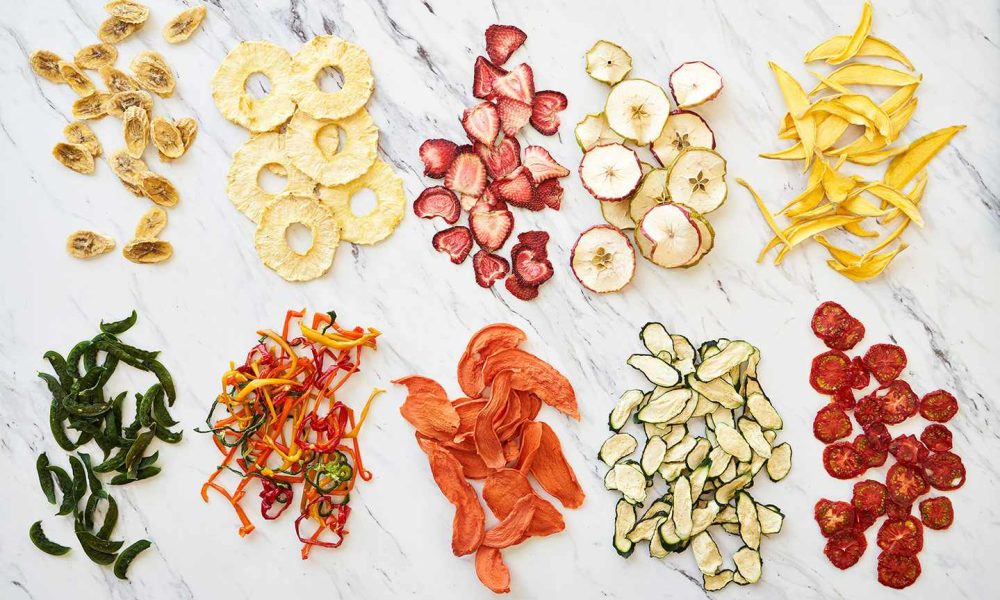
The global dehydrated vegetable market is poised for remarkable growth, projected to expand from USD 88.2 billion in 2025 to USD 192.2 billion by 2035, nearly doubling in value with an impressive 8.1% CAGR over the forecast period. This sharp rise reflects both the enduring strength of established food processors and the agility of new entrants who are reshaping the industry with advanced technologies and sustainable solutions.
Request the Full Report or Custom Research Solutions Here: https://www.futuremarketinsights.com/reports/sample/rep-gb-4161
Growth Anchored in Convenience and Shelf Stability
In a world increasingly driven by convenience, dehydrated vegetables have become essential building blocks for food manufacturers, retailers, and foodservice providers alike. Their ability to deliver extended shelf life, consistent flavor, and nutritional retention has transformed them from niche substitutes to mainstream essentials across ready-to-eat meals, packaged foods, soups, sauces, snacks, and even pet foods.
From USD 88.2 billion in 2025 to USD 131.2 billion in 2030, the sector is forecast to grow by USD 43.0 billion, marking the first stage of expansion where food processing scale-up, adoption of advanced drying technologies, and rising consumer preference for natural, preservative-free products will play pivotal roles. Between 2030 and 2035, growth accelerates further with innovations in freeze-drying, vacuum drying, and smart packaging driving premium product development and global demand.
Key Market Takeaways
- Market Size 2025: USD 88.2 billion
- Market Size 2035: USD 192.2 billion
- CAGR (2025–2035): 8.1%
- Top End-User: Food manufacturers (55.0% share)
- Leading Regions: Asia Pacific, North America, Europe
- Top Product: Dehydrated onions (40.0% share in 2025)
Opportunity Pathways
Emerging opportunities across the sector signal clear directions for growth:
- Clean-label & organic offerings – Rising consumer demand for transparency and minimally processed foods creates a USD 4–7 billion opportunity.
- Format & texture innovations – Faster rehydration, better flavor, and snackable formats could add USD 5–8 billion.
- Premium dehydration technologies – Freeze-dried and vacuum-processed vegetables with superior flavor and color retention may yield USD 3–6 billion.
- Geographic expansion – Localized processing in APAC, LATAM, and MEA could unlock USD 8–12 billion in growth.
- Sustainability initiatives – Reduced energy use, waste valorization, and regenerative farming will become new differentiators, adding USD 3–5 billion.
Why the Market is Growing
The expansion is fueled by a mix of structural and consumer-driven factors:
- Rising demand for convenience foods that maintain nutrition and flavor.
- Global food security concerns and supply chain resilience needs.
- Health-conscious lifestyles favoring natural, clean-label, preservative-free ingredients.
- Operational efficiency for manufacturers, with dehydrated vegetables reducing spoilage, transportation costs, and preparation time.
Country-Level Outlook
- India leads the world with a projected CAGR of 10.1%, fueled by government-backed food processing expansion and export growth.
- China follows at 9.0%, leveraging its scale and modern dehydration facilities to supply both domestic and international markets.
- The USA demonstrates innovation-driven growth at 7.2%, with leading manufacturers adopting advanced freeze-drying and clean-label solutions.
- Brazil (6.8%), Spain (6.5%), Germany (6.0%), and Japan (5.5%) also present strong opportunities, driven by regional agricultural strengths, premium positioning, and evolving consumer preferences.
Established Leaders and New Innovators
The competitive landscape includes global leaders and emerging challengers alike.
- McCain Foods, Lamb Weston, and J.R. Simplot Company continue to expand their processing expertise and integrated supply chains.
- Olam Group and Ingredion Incorporated bring global sourcing and functional ingredient innovation.
- Dak Foods/BCFoods, Mercer Foods, LLC, Chengde Shenli Food, and Naturex (Givaudan) are leveraging regional strengths and product specialization to capture niche segments.
- Symrise AG is pushing boundaries with flavor-forward dehydrated products for global markets.
Beyond these established names, new entrants are seizing opportunities in organic, clean-label, and sustainability-focused products, helping diversify the supply base and pushing the industry toward advanced technology adoption.
Get the Report Brochure Now: https://www.futuremarketinsights.com/reports/brochure/rep-gb-4161
The Road Ahead
As the market expands, the integration of advanced dehydration processes, smart packaging, and sustainability practices will shape the next generation of dehydrated vegetables. For food manufacturers, processors, and retailers, the message is clear: dehydrated vegetables are no longer simply alternatives to fresh produce. They are strategic, value-adding ingredients that align with consumer preferences, operational efficiency, and global food security priorities.
With growth set to more than double in value by 2035, the dehydrated vegetable market presents one of the most compelling opportunities in the global food industry—uniting established giants and new innovators in a shared mission to deliver nutritious, convenient, and sustainable food solutions.
About Future Market Insights (FMI)
Future Market Insights, Inc. (ESOMAR certified, recipient of the Stevie Award, and a member of the Greater New York Chamber of Commerce) offers profound insights into the driving factors that are boosting demand in the market. FMI stands as the leading global provider of market intelligence, advisory services, consulting, and events for the Packaging, Food and Beverage, Consumer Technology, Healthcare, Industrial, and Chemicals markets. With a vast team of over 400 analysts worldwide, FMI provides global, regional, and local expertise on diverse domains and industry trends across more than 110 countries.



