
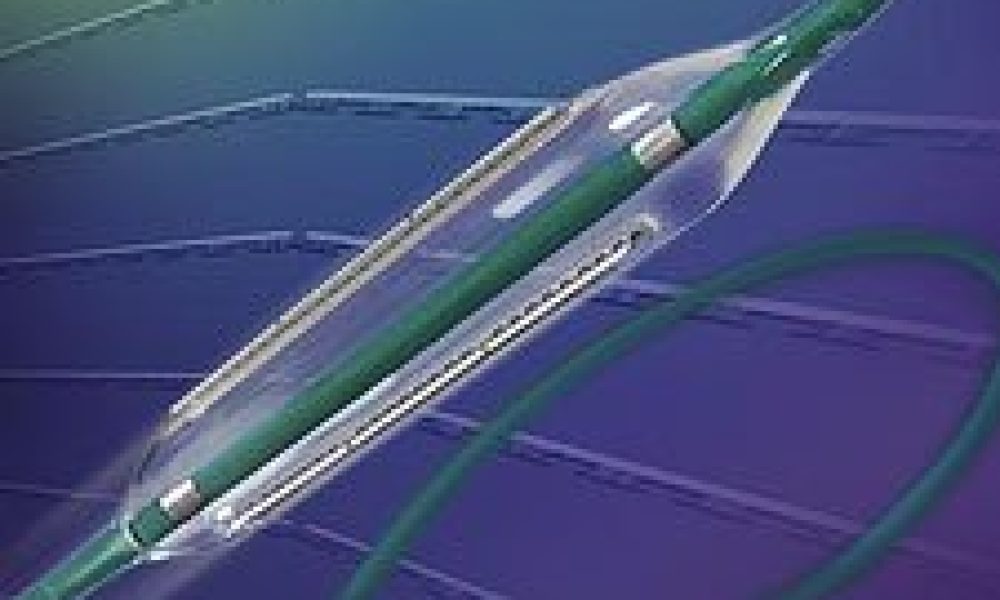
The global cutting balloons market is projected to reach a valuation of approximately US$512.8 million in 2026 and expand to US$693.2 million by 2033, reflecting a CAGR of 4.4% over the forecast period. Cutting balloons are specialized angioplasty devices equipped with microsurgical blades that create controlled incisions in fibrotic or calcified plaques, allowing precise vessel dilation at lower inflation pressures. These devices have gained prominence in treating coronary artery disease, managing in-stent restenosis, and performing peripheral vascular interventions, driven by the growing preference for minimally invasive procedures and improved patient outcomes.
The market’s growth is fueled by the rising incidence of cardiovascular diseases, particularly coronary and peripheral artery conditions, which demand precise and predictable treatment solutions. Hospitals and cardiac catheterization laboratories are the primary end-users due to high procedural volumes, availability of skilled interventional cardiologists, and access to advanced imaging technologies. Among product types, conventional cutting balloons dominate due to their established clinical effectiveness, affordability, and wide availability. Geographically, North America leads the global market, owing to a high prevalence of cardiovascular disorders, adoption of advanced interventional procedures, and the presence of well-equipped healthcare facilities.
Download Your Free Sample & Explore Key Insights: https://www.persistencemarketresearch.com/samples/33967
Key Highlights from the Report
• The rising prevalence of coronary artery disease and calcified lesions globally is driving the adoption of cutting balloons.
• Minimally invasive cardiovascular procedures are increasing demand for advanced balloon technologies.
• Hospitals and cardiac catheterization laboratories account for the majority of cutting balloon usage worldwide.
• North America remains the leading regional market due to robust cardiovascular infrastructure and clinical expertise.
• Conventional cutting balloons hold the largest market share because of their proven clinical performance and cost efficiency.
• Integration with drug-coated technologies is creating new growth opportunities by enhancing long-term vessel patency.
Market Segmentation
The cutting balloons market can be segmented based on product type, end-user, and application, reflecting diverse adoption trends and clinical requirements. By product type, the market is primarily divided into conventional cutting balloons, drug-coated cutting balloons, and scoring balloons. Conventional balloons dominate due to widespread clinical familiarity, predictable outcomes, and cost-effectiveness. Drug-coated cutting balloons, while newer, combine mechanical plaque modification with localized drug delivery to reduce restenosis risk, making them increasingly attractive for complex coronary lesions. Scoring balloons provide enhanced precision for challenging vascular anatomies, though adoption remains more limited due to specialized use cases and higher cost.
From an end-user perspective, hospitals remain the primary consumers of cutting balloons, particularly tertiary care centers equipped with advanced cardiac catheterization labs. The availability of skilled interventional cardiologists, imaging support, and procedural infrastructure allows hospitals to handle high volumes of complex cases, including in-stent restenosis and calcified lesions. Cardiac centers and ambulatory surgical facilities are also adopting cutting balloons as minimally invasive procedures gain popularity, but their limited infrastructure and procedural capacity restrict extensive market penetration.
Clinically, cutting balloons are employed across coronary, peripheral, and in-stent restenosis applications. Coronary interventions account for the largest segment due to the high incidence of obstructive coronary artery disease. Peripheral interventions are gaining traction in emerging markets, supported by technological innovations and rising awareness of minimally invasive treatment options. Overall, segmentation highlights the market’s diverse applications and the differentiated adoption of conventional, drug-coated, and scoring devices.
Regional Insights
North America dominates the cutting balloons market due to advanced healthcare infrastructure, widespread interventional cardiology adoption, and high prevalence of cardiovascular diseases. The U.S. leads in device utilization, supported by favorable reimbursement policies, well-established hospital networks, and strong physician expertise. Technological advancements, including next-generation cutting balloons with improved blade design and integration with drug-coated systems, further reinforce regional growth. Hospitals leverage these devices to optimize procedural outcomes, minimize vessel trauma, and reduce the risk of repeat interventions.
In contrast, Asia Pacific is emerging as the fastest-growing regional market. Rapid urbanization, expanding healthcare infrastructure, and increasing awareness of interventional cardiology procedures are driving demand in countries such as China, India, Japan, and Australia. Innovations in balloon design, low-profile devices, and integration with drug-coated or imaging-guided systems are enhancing adoption. Government initiatives promoting cardiovascular disease management, along with rising disposable incomes and increased access to private healthcare, are contributing to robust growth. Overall, Asia Pacific presents significant long-term growth potential, while North America maintains its leadership position globally.
Europe also shows steady market expansion, driven by established healthcare systems, early adoption of minimally invasive technologies, and supportive regulatory frameworks. Countries like Germany, France, and the U.K. are investing in cardiac catheterization labs equipped to handle complex procedures. Meanwhile, Latin America and the Middle East & Africa regions are gradually increasing adoption as awareness of cutting balloon efficacy grows and healthcare infrastructure improves, although growth remains limited by budget constraints and procedural access.
Get Custom Insights Designed for Your Business: https://www.persistencemarketresearch.com/request-customization/33967
Market Drivers
The primary driver for the cutting balloons market is the rising prevalence of in-stent restenosis (ISR), a condition in which excessive neointimal tissue leads to re-narrowing of vessels after stent implantation. Conventional balloon angioplasty often fails to adequately treat ISR, especially in dense or fibrotic lesions, making cutting balloons the preferred solution. The microsurgical blades of cutting balloons create controlled incisions, allowing uniform plaque modification at lower inflation pressures, minimizing vessel trauma and elastic recoil, and reducing procedural complications.
Additionally, the growing volume of coronary stent procedures worldwide has expanded the pool of patients at risk for ISR, further elevating demand for effective lesion-preparation technologies. Technological advancements, including improved flexibility, trackability, and blade control, allow cutting balloons to navigate challenging anatomies and enhance procedural precision. The combination of enhanced clinical outcomes, reduced repeat procedures, and improved procedural predictability positions cutting balloons as an essential tool in modern interventional cardiology.
Market Restraints
Despite their benefits, cutting balloons face notable restraints, primarily related to risk of vessel injury. The mechanical action of the blades, if improperly used, can lead to dissection or perforation, especially in fragile, calcified, or small-diameter vessels. Complex anatomies such as tortuous or heavily stenotic lesions increase the likelihood of unintended vascular injury. Such complications may necessitate emergency interventions, additional stenting, or surgical procedures, increasing both clinical risk and procedural cost.
The perceived safety risk also limits adoption in peripheral or small-vessel interventions, confining usage largely to selected coronary lesions. Furthermore, hospital procurement policies often restrict cutting balloon usage to experienced operators to mitigate risk, constraining market growth. Until device designs improve blade control and safety predictability, concerns over vessel injury will remain a significant barrier, particularly in smaller or less specialized healthcare settings.
Market Opportunities
A key opportunity in the cutting balloons market lies in the integration with drug-coated technologies, which enhances long-term vessel patency and addresses the persistent challenge of restenosis. While cutting balloons mechanically modify fibrotic plaques effectively, smooth muscle cell proliferation and inflammatory responses can still cause re-narrowing. Drug-coated cutting balloons combine precise plaque disruption with localized antiproliferative therapy, improving drug penetration and clinical outcomes.
This integration reduces neointimal hyperplasia, minimizes elastic recoil, and decreases the need for repeat interventions. Additionally, drug-integrated cutting balloons streamline procedural workflows by reducing the number of devices needed in a single intervention, improving efficiency in cardiac catheterization laboratories. From a market perspective, hybrid devices allow manufacturers to differentiate their products, command premium pricing, and align with value-based care models focused on durable outcomes rather than procedural volume. As clinical evidence grows, drug-coated cutting balloons are expected to reshape market dynamics significantly.
Checkout Now & Download Complete Market Report: https://www.persistencemarketresearch.com/checkout/33967
Company Insights
The cutting balloons market is highly competitive, with major players competing on technological innovation, clinical effectiveness, and physician engagement. Key market participants include:
• Abbott – a leader in cardiovascular devices, including cutting balloon technologies.
• Boston Scientific Corporation – innovating with drug-coated and precision cutting balloons.
• B. Braun Melsungen AG – providing a range of interventional cardiology products.
• Cook Medical – specializing in vascular intervention solutions.
• Cordis – offering conventional and drug-coated balloon technologies.
• Medtronic – integrating advanced imaging and device platforms.
• MicroPort Scientific Corporation – expanding presence in Asia Pacific cardiovascular markets.
• Opto Circuits (India) Ltd. – focusing on minimally invasive cardiovascular devices.
• Spectranetics (Philips Healthcare) – leveraging imaging-guided cutting balloons.
• Terumo Corporation – providing next-generation low-profile balloons.
• TriReme Medical, LLC (QT Vascular Ltd.) – developing hybrid and precision devices.
• Vascular Concepts Limited – offering cost-effective and specialized cutting balloons.
Recent Developments:
In March 2025, Abbott received CE Mark approval for the Volt™ PFA System in Europe for atrial fibrillation treatment, enabling commercial use across select EU hospitals.
In August 2025, Boston Scientific initiated the AGENT DCB STANCE trial to evaluate the safety and effectiveness of its drug-coated balloon in treating de novo coronary lesions.
Conclusion
The cutting balloons market is poised for steady growth over the next decade, driven by increasing prevalence of coronary artery disease, the rise of in-stent restenosis cases, and the demand for minimally invasive cardiovascular interventions. North America currently dominates the market due to advanced infrastructure, skilled clinicians, and favorable reimbursement frameworks, while Asia Pacific emerges as the fastest-growing region thanks to rising healthcare investments and procedural awareness.
Conventional cutting balloons continue to lead in market share, supported by clinical reliability and cost-efficiency, whereas drug-coated and scoring variants are gaining traction in specialized segments. The integration of drug-delivery technologies presents a significant opportunity to enhance procedural outcomes and reduce restenosis rates, potentially reshaping interventional cardiology workflows. Despite challenges related to vessel injury risks, the market remains attractive for innovation, with leading companies investing in advanced device designs, hybrid technologies, and physician education programs. Overall, the global cutting balloons market is entering a period of strategic growth, driven by technological advancement, clinical demand, and expanding regional adoption.




