
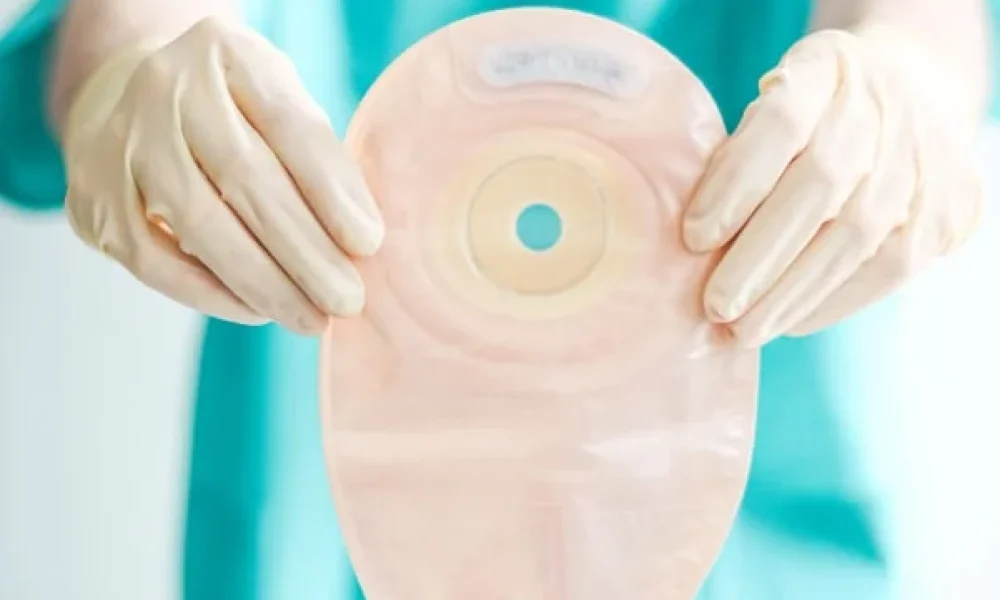
The global incontinence and ostomy care products market has witnessed remarkable growth in recent years, driven by technological innovations, a rising prevalence of digestive and urological disorders, and increasing awareness regarding patient care. In 2023, the market was valued at US$17.6 billion, and it is projected to reach US$24.7 billion by 2030, representing a CAGR of 5.0% from 2023 to 2030. This steady growth reflects not only the expansion of healthcare infrastructure worldwide but also an increased adoption of advanced ostomy and incontinence care products.
Modern incontinence and ostomy care solutions incorporate innovative materials, such as skin-friendly adhesives, moisture-wicking fabrics, and odor-control systems, improving overall user comfort and product efficacy. The integration of smart technologies, including Bluetooth-enabled monitoring devices and wearable sensors, has enabled real-time feedback, helping patients manage their conditions effectively. Furthermore, telehealth and remote monitoring systems have facilitated healthcare providers in managing patients from a distance, improving care quality while minimizing hospital visits. The market is also benefitting from personalized solutions through 3D printing technology, enabling tailored ostomy and incontinence products that meet individual patient needs, ultimately enhancing adoption rates and quality of life.
Download Your Free Sample & Explore Key Insights: https://www.persistencemarketresearch.com/samples/33968
Market Statistics, Key Growth Drivers, and Leading Segments
The incontinence and ostomy care products market has consistently shown robust growth, with a historical CAGR of 4.3% from 2018 to 2022. The rising number of digestive and urological disorders globally is one of the primary growth drivers, fueled by an aging population, lifestyle-related health issues, and the increasing prevalence of chronic conditions such as Crohn’s disease, irritable bowel syndrome, and urinary incontinence. The growing demand for minimally invasive surgeries has further increased the number of ostomy patients, driving the requirement for advanced care products.
Among product types, incontinence care products, including adult diapers, absorbent pads, and protective garments, dominate the market due to their widespread use and high frequency of replacement. In terms of geography, Europe leads the market, primarily due to a significant population of stoma patients, advanced healthcare systems, and high adoption of technologically sophisticated products. Countries like Germany, the UK, and France benefit from proactive healthcare initiatives, growing public awareness, and a high prevalence of chronic colorectal and urinary disorders, making Europe the largest and most dynamic market for ostomy and incontinence care products.
Key Highlights from the Report
• The global market for incontinence and ostomy care products is projected to reach US$24.7 billion by 2030.
• Technological advancements such as smart monitoring devices and improved adhesives are driving product adoption.
• Incontinence care products remain the leading segment due to high demand and frequent use.
• Europe dominates the market, supported by a large population of stoma patients and advanced healthcare infrastructure.
• Rising pediatric incontinence cases present new opportunities for specialized products.
• Telehealth and remote monitoring solutions are transforming patient care in ostomy and incontinence management.
Market Segmentation
The incontinence and ostomy care products market can be segmented based on product type, application, and end-user categories, allowing manufacturers and healthcare providers to target specific needs effectively.
By product type, the market is broadly divided into incontinence care products and ostomy care products. Incontinence care items include adult diapers, absorbent pads, and protective garments designed to manage urinary or fecal leakage. Ostomy care products encompass ostomy bags, skin barriers, deodorants, and irrigation products, which are essential for patients recovering from surgeries such as colostomies, ileostomies, and urostomies. Ostomy bags and skin barriers form the most critical segments due to their frequent replacement requirements and direct impact on patient comfort and hygiene.
By application, products are categorized into protection and cleansing, odor control, security and leakage management, and other supplementary uses. Protection and cleansing products focus on maintaining skin health and reducing infection risk, while odor-control items improve patient confidence and social comfort. Security and leakage management solutions ensure a reliable fit and reduce accidental exposure, addressing a key concern among users. These applications collectively cater to improving patients’ quality of life while promoting adherence to medical protocols.
By end-user, the market caters to hospitals, long-term care facilities, homecare settings, and pediatric populations. Hospitals and long-term care institutions remain major buyers due to high patient volumes, whereas homecare solutions are increasingly preferred by individuals seeking privacy, comfort, and convenience. Pediatric incontinence and ostomy products are a growing segment, offering customized designs and features that meet the specific physical and psychological requirements of children, thus widening the overall market scope.
Regional Insights
The North American market, led by the United States, benefits from advanced healthcare infrastructure, high patient awareness, and the presence of leading manufacturers such as Hollister Incorporated, Coloplast A/S, and ConvaTec Group Plc. Approximately 25 million adults in the US experience incontinence, contributing to annual expenditures exceeding $8 billion. Canada exhibits similar market dynamics, driven by a mature healthcare system and rising demand for ostomy and incontinence care products.
Europe maintains market leadership due to an increasing number of stoma patients, particularly those with inflammatory bowel disease (IBD), Crohn’s disease, and ulcerative colitis. Europe’s strong healthcare infrastructure and high patient awareness facilitate early adoption of advanced and technologically sophisticated products. For instance, over 731,000 individuals in Europe live with ostomies, making it a critical market for ostomy bags, skin barriers, and related care products.
In the Asia-Pacific region, rising awareness campaigns, educational programs, and initiatives such as World Ostomy Day have increased product adoption. Countries such as Japan and China show significant potential due to aging populations, growing chronic disease prevalence, and increasing healthcare expenditures. For example, Japan has more than 17 million individuals with incontinence, generating a $3 billion market, while China’s large population and expanding healthcare access are driving rapid consumption growth.
Other regions, including Latin America and the Middle East & Africa, are gradually adopting ostomy and incontinence products due to expanding healthcare infrastructure, rising awareness, and improved accessibility. Although these regions lag behind North America and Europe in terms of market maturity, they represent high-growth opportunities for manufacturers focusing on emerging markets.
Get Custom Insights Designed for Your Business: https://www.persistencemarketresearch.com/request-customization/33968
Market Drivers
Several factors are driving the expansion of the incontinence and ostomy care products market. A major driver is the increasing prevalence of digestive and urological disorders, particularly among aging populations. Chronic conditions like IBD, colorectal cancer, and urinary incontinence are growing worldwide, leading to higher demand for ostomy surgeries and associated care products. Advances in minimally invasive surgical techniques have made ostomy procedures more accessible, further increasing the number of ostomates.
Additionally, technological innovations are driving market growth. New materials, improved adhesives, odor-control systems, and smart monitoring devices have enhanced product performance, comfort, and usability, encouraging adoption among patients and healthcare providers. Improved diagnostic capabilities and growing awareness of early disease detection also contribute to market expansion, ensuring timely intervention and a sustained need for high-quality ostomy and incontinence products.
Market Restraints
Despite its growth potential, the market faces several challenges. Persistent social stigma and taboos surrounding incontinence and ostomy care can discourage patients from seeking treatment, delaying product adoption and impacting overall market demand. Many individuals feel embarrassed discussing urinary or fecal disorders, which can hinder access to critical products.
Another significant restraint is the high cost of incontinence and ostomy care products, particularly for patients requiring long-term usage. Limited reimbursement coverage and low affordability in certain regions restrict access to necessary products, potentially compromising treatment outcomes. These financial barriers may limit market penetration, especially in low- and middle-income countries, where healthcare funding is constrained.
Market Opportunities
The market presents several promising opportunities for growth. One key area is the rising incidence of pediatric incontinence and ostomy needs, driven by congenital abnormalities and pediatric medical conditions. There is increasing demand for specialized, child-friendly products that enhance comfort, safety, and usability for younger patients.
Ongoing innovations in ostomy and incontinence care technology—including wearable sensors, remote monitoring systems, and 3D-printed customized solutions—offer significant growth prospects. Manufacturers are focusing on discrete, comfortable, and efficient products that improve patient quality of life, particularly in emerging markets where awareness campaigns and educational programs are increasing adoption rates.
Checkout Now & Download Complete Market Report: https://www.persistencemarketresearch.com/checkout/33968
Company Insights
Leading players in the incontinence and ostomy care products market include:
• Coloplast A/S – Known for advanced ostomy care solutions and sensor-enabled products.
• Essity Aktiebolag (publ.) – Offers a wide range of incontinence and hygiene products.
• Kimberly-Clark Corporation (KCWW) – Provides absorbent adult diapers and protective garments.
• B. Braun SE – Focuses on innovative ostomy and incontinence care technologies.
• Hollister Incorporated – Offers skin-friendly adhesives, odor-control pouches, and incontinence management solutions.
• Unicharm Corporation – Leading manufacturer of absorbent incontinence products.
• ConvaTec Group Plc – Develops technologically advanced ostomy appliances and incontinence products.
• Welland Medical Limited – Specialized in ostomy pouches and barriers.
• Domtar Corporation – Focused on hygiene and absorbent care products.
• Salts Healthcare Ltd. – Offers a variety of ostomy and incontinence care solutions.
Key Recent Developments
New Product Launch: Coloplast A/S launched the Luja intermittent catheter in February 2023, featuring micro-hole zone technology to ensure complete bladder emptying, reducing urinary tract infections.
Virtual Support Service: B. Braun SE introduced the Emerald Nursing Service in June 2020, providing home-based virtual guidance for patients with acute bladder issues, improving patient outcomes and promoting telehealth adoption.
Conclusion
The global incontinence and ostomy care products market is poised for sustained growth over the next decade, driven by rising chronic disease prevalence, technological advancements, and increasing patient awareness. Europe currently leads the market due to a high number of stoma patients and advanced healthcare systems, while Asia-Pacific represents a high-growth opportunity fueled by education campaigns and an expanding elderly population. Despite challenges such as social stigma and high product costs, innovations in pediatric care, wearable monitoring technologies, and customized solutions offer significant avenues for market expansion. Leading companies like Coloplast A/S, ConvaTec, and B. Braun SE continue to shape the market through research, product innovation, and strategic partnerships, ensuring improved patient outcomes and higher adoption rates globally. With healthcare infrastructure improvements, rising public awareness, and continuous innovation, the incontinence and ostomy care products market is expected to witness robust growth, offering better quality of life for patients and creating sustainable opportunities for manufacturers and healthcare providers alike.




